

Furnace keeping up
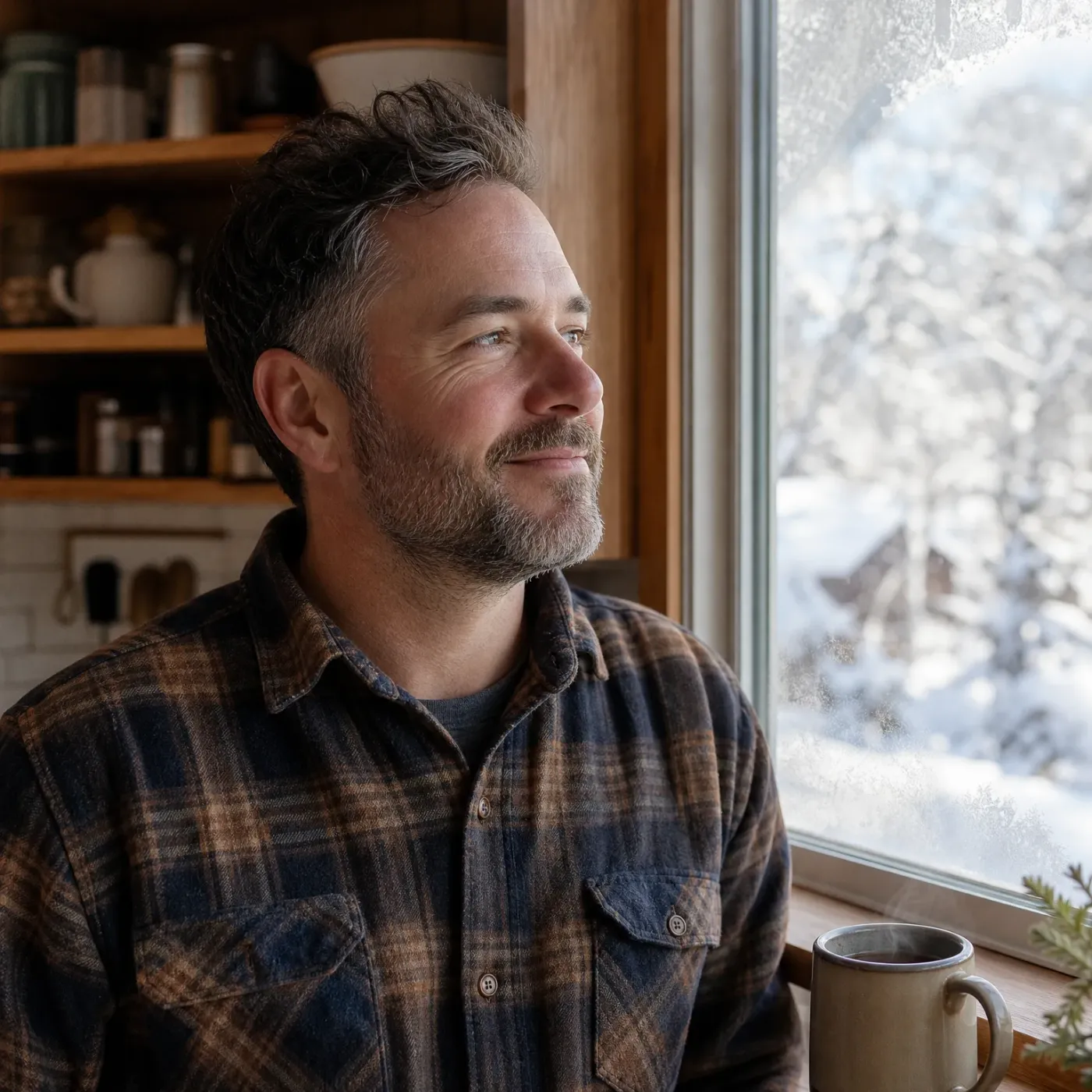
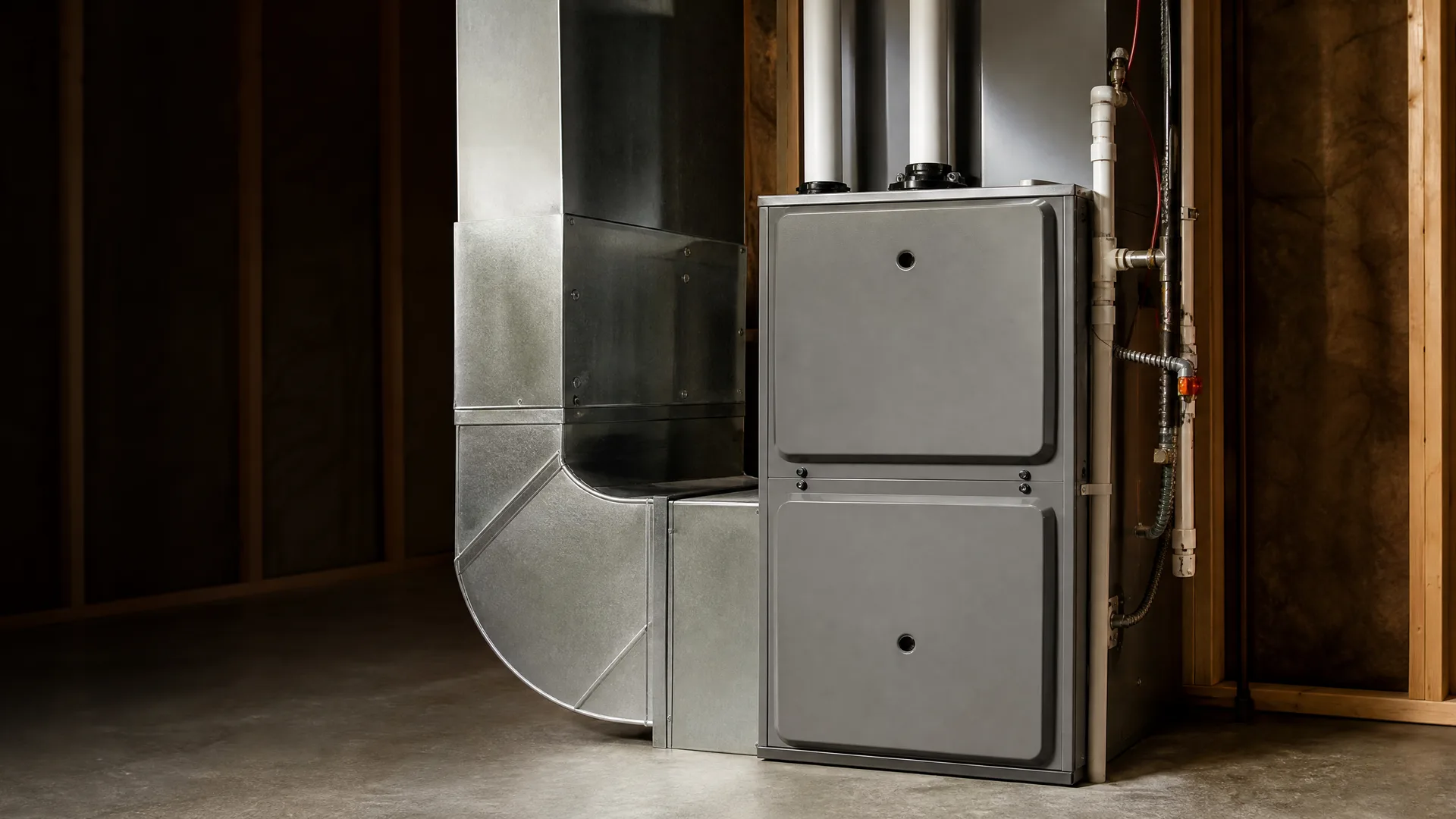
This is what a furnace doing its job looks like. Air moves through the ducts and out the registers at full strength, the burner cycles on and off instead of running nonstop, and every room ends up close to the same temperature.
One request and the search for a pro is handled.
Hand off my repairYou've got the furnace running, you can hear it, maybe even feel warm air at a vent or two, but the house isn't warming up. That's a different problem than a furnace that won't start at all, and in Pennsylvania in the middle of winter it's not something to wait out. By the time you're searching for this, you've probably already checked the thermostat setting and the problem is still there.
A furnace that runs without warming the house usually means one of two things. Either the burner isn't firing right, so the blower is just pushing room-temperature air through the ducts, or the burner is fine but something is blocking the heat from getting where it needs to go, a clogged filter, a duct problem, or a blower that's moving air too slowly to carry the heat. Gas furnaces are what most homes here run on, and a weak or uneven flame at the burner is a common cause. With Pennsylvania winters, a furnace that's running but not heating can let a house drop several degrees in a few hours, so it's worth having someone look at it before the cold settles in.
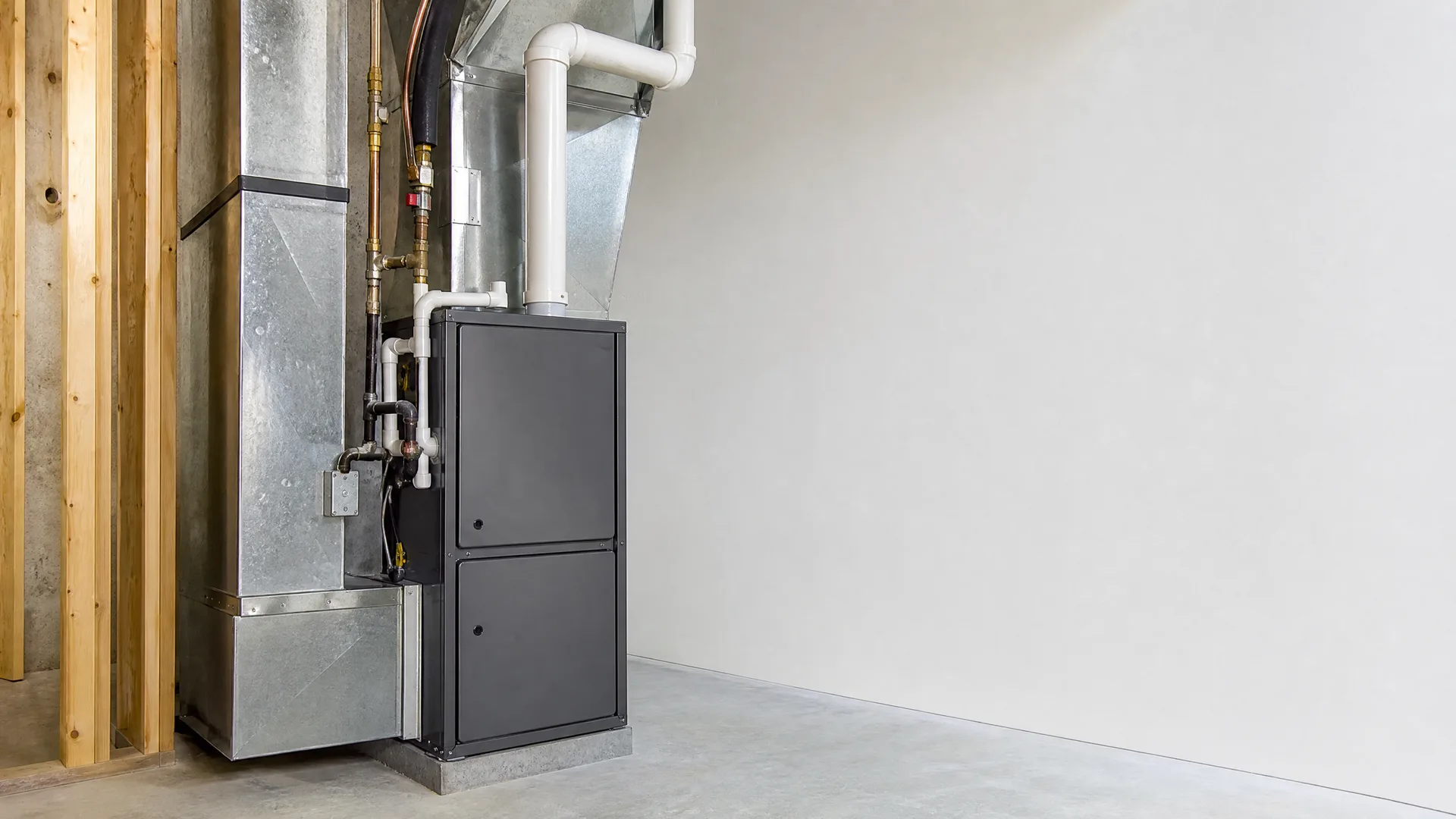
A gas furnace can run nonstop and still lose to a Pennsylvania cold snap if the ductwork leaks, a return is blocked, or the blower wheel is caked with dust. Air comes out of the register warm but there isn't enough of it moving, or it's leaking out into the basement or attic before it reaches the room. The furnace isn't failing, it's just not getting the air where it needs to go.
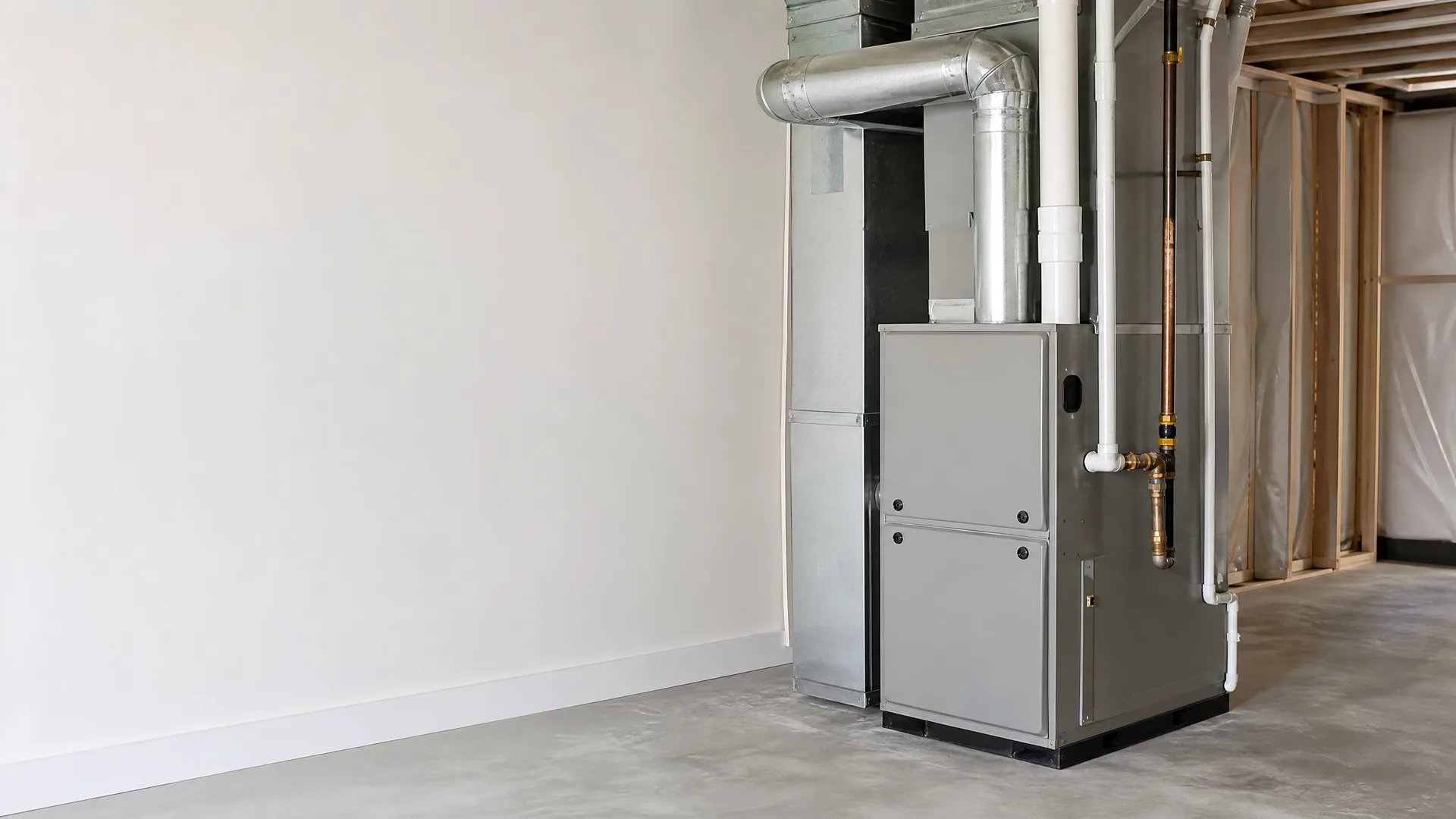
A dirty filter chokes airflow across the heat exchanger, and the furnace compensates by running longer to push out less heat. Pennsylvania homes that run gas heat from October into April go through filters fast, especially with pets or a finished basement nearby. A filter that hasn't been swapped since summer is a common reason the furnace sounds fine but the house stays fifteen degrees short of the thermostat setting.
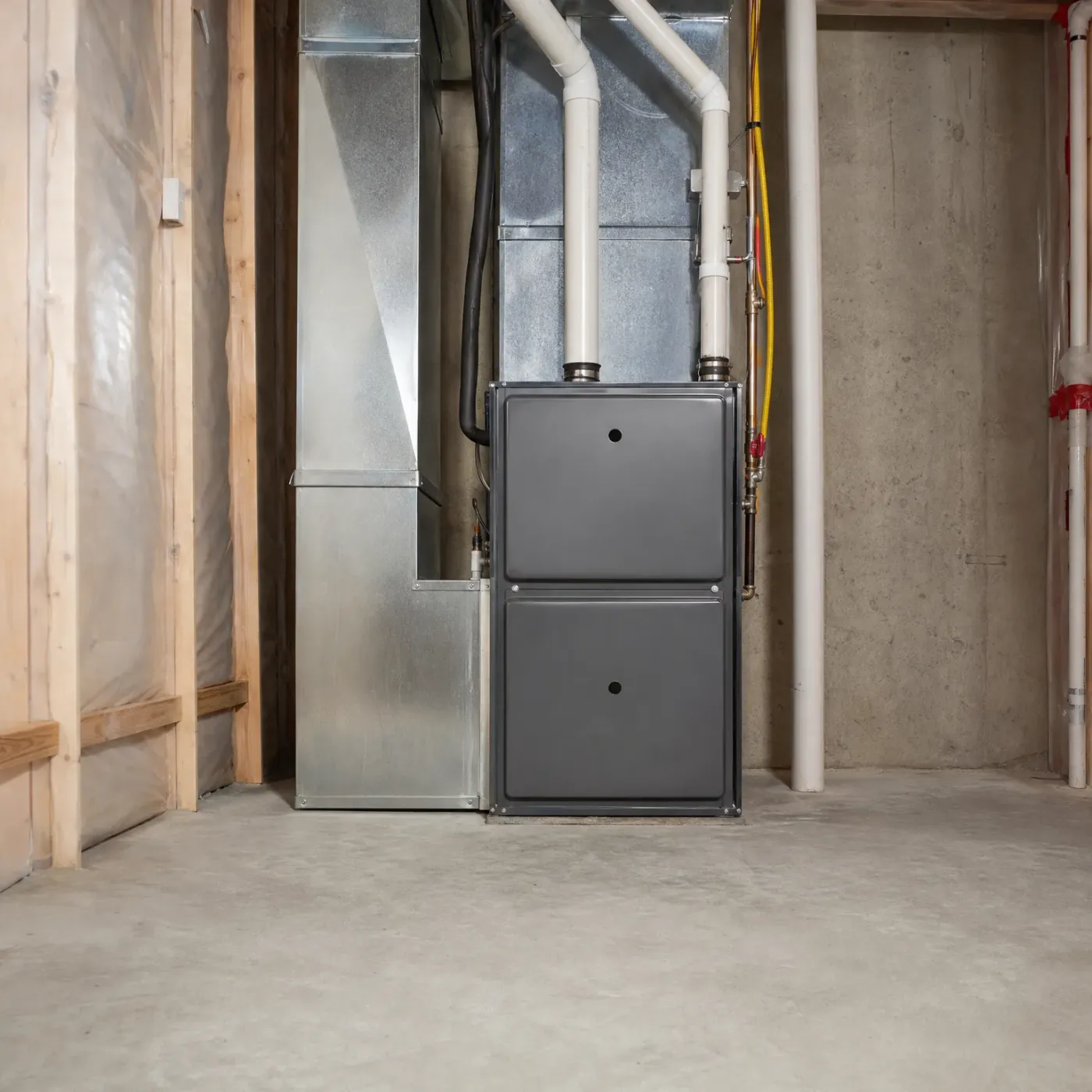
This is what a furnace doing its job looks like. Air moves through the ducts and out the registers at full strength, the burner cycles on and off instead of running nonstop, and every room ends up close to the same temperature.
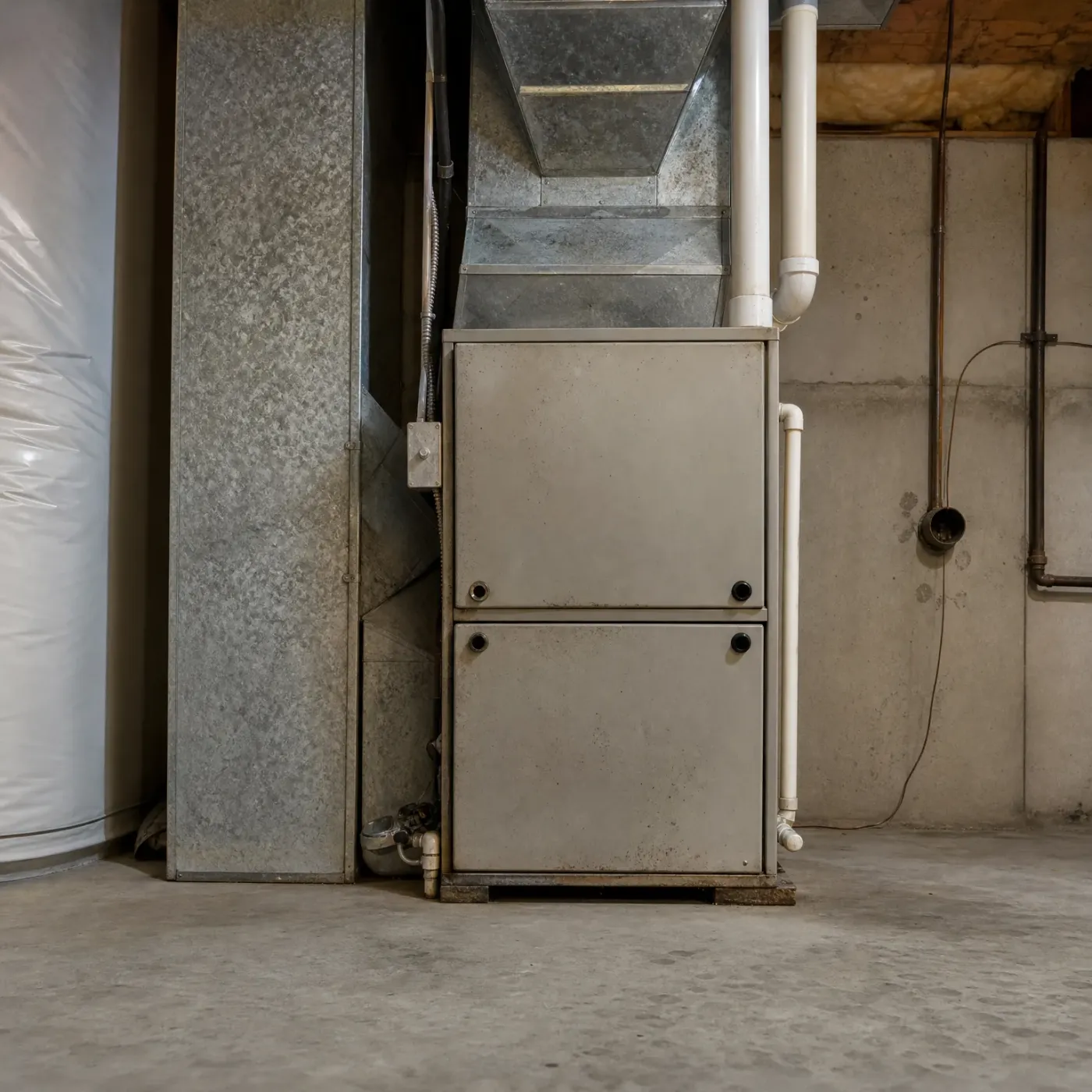
Same type of unit, same basement setup, but something between the burner and your rooms isn't working. The blower might be weak, a duct run might be leaking into the joist bays, or the unit itself might be undersized for what it's heating.
Walk the rooms. The thermostat might read 68, but the bedroom down the hall feels closer to 60, and the air out of that vent is barely warm against your hand. The furnace has been running a long time, maybe most of the afternoon, and you can hear it going when you'd expect it to have shut off by now. Check the gas bill next to this and it's climbing while the house stays cold, because you're paying to run a furnace that isn't heating. Left alone through a Pennsylvania winter, a furnace working this hard for this little warmth is the kind of strain that tends to end in a bigger repair, or no heat at all on the coldest night.




A furnace that runs without end is burning gas the whole time, and with what power and gas cost in Pennsylvania right now, that adds up fast while the house still doesn't feel warm. You could spend an afternoon pulling the filter, checking the vents, resetting the thermostat, and still not know if the problem is the blower wheel, a return that's blocked, or ductwork losing heat somewhere between the furnace and the register. Someone who services furnaces in your area through the winter has seen this exact complaint before and knows what tends to cause it on the equipment common here. Sending the form hands this to a licensed local contractor who already works on this kind of system, so instead of spending another cold evening guessing at what's wrong, you've got someone who knows furnaces looking at yours.
Pull the furnace filter and hold it up to a light. If you can't see light through it, air isn't getting through it either, and that alone can leave you with a furnace that runs and runs while the far bedrooms stay cold. Check the supply vents in every room, not just the ones you use. A vent closed by a previous owner or shut for a room you don't heat changes how air balances through the rest of the house. Look at the return grille too. If it's blocked by a couch or a rug, the furnace is starving for air no matter how long it runs.
If the filter's clean, the vents are open, and the house is still cold with the furnace running nonstop, the problem is past what you can see. A blower wheel caked with dust, a cracked heat exchanger, or ductwork leaking warm air into a crawlspace or attic all look the same from where you're standing: a furnace that runs and a house that doesn't warm up. These need someone who works on furnaces in Pennsylvania through the winter and knows which of these shows up most. A licensed local contractor can get into the furnace and the ducts and find which one it is.

A furnace burns gas at a set rate. It doesn't throttle up when the house can't keep warm, so once it's at full output, running longer is the only thing it can do. That's why the fix usually isn't the burner. It's whatever is standing between the furnace and the rooms it's trying to heat. A filter clogged with dust makes the blower work harder to push the same air, and past a certain point the motor just moves less of it, no matter how long the furnace runs. Ducts routed through an attic or crawlspace bleed heat the whole way, so the air leaving the furnace hot can show up at the vent noticeably cooler. A thermostat pushed up several degrees after a deep setback will make the furnace run a long stretch to catch up, which looks alarming but isn't a malfunction. And in a two-story house with one central return, the upstairs can run short on air even while the furnace downstairs never stops. Short cycling from a dirty flame sensor can look like nonstop running too, but it's the furnace restarting again and again, not running steady at all.
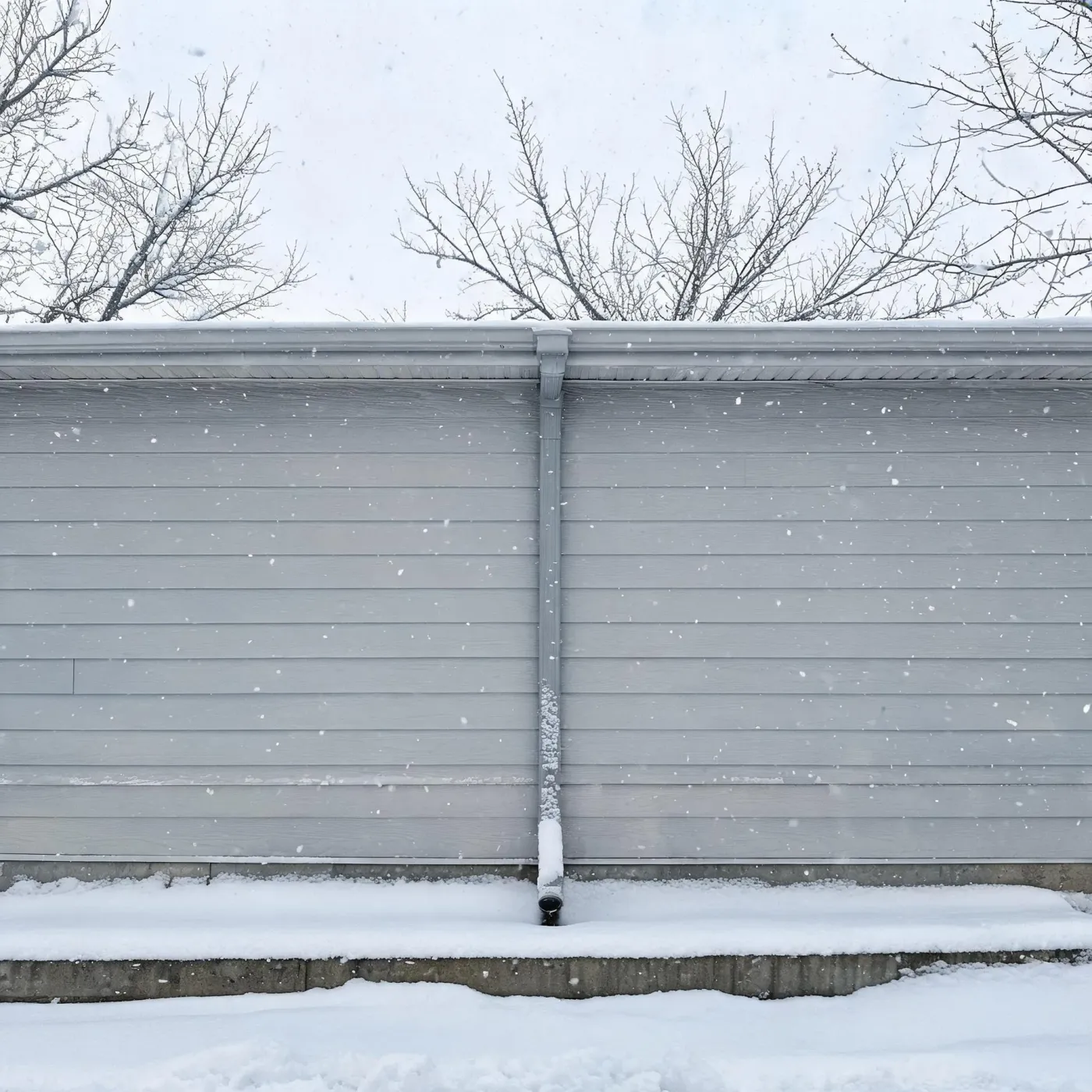
Winter nights statewide average 23°F, per NOAA. A furnace sized for that keeps up fine when everything else is working. But a long, cold night is exactly when a dirty filter or a closed return shows up, because the furnace has to run harder and longer to hold the house at temperature, and a restricted system just can't move enough warm air to keep every room even. You'll notice it most in the hours before dawn, when the bedroom farthest from the furnace feels noticeably colder than the thermostat reading, even though the burner never seems to shut off.
NOAA nClimDiv 1991-2020 county normals weighted by homes
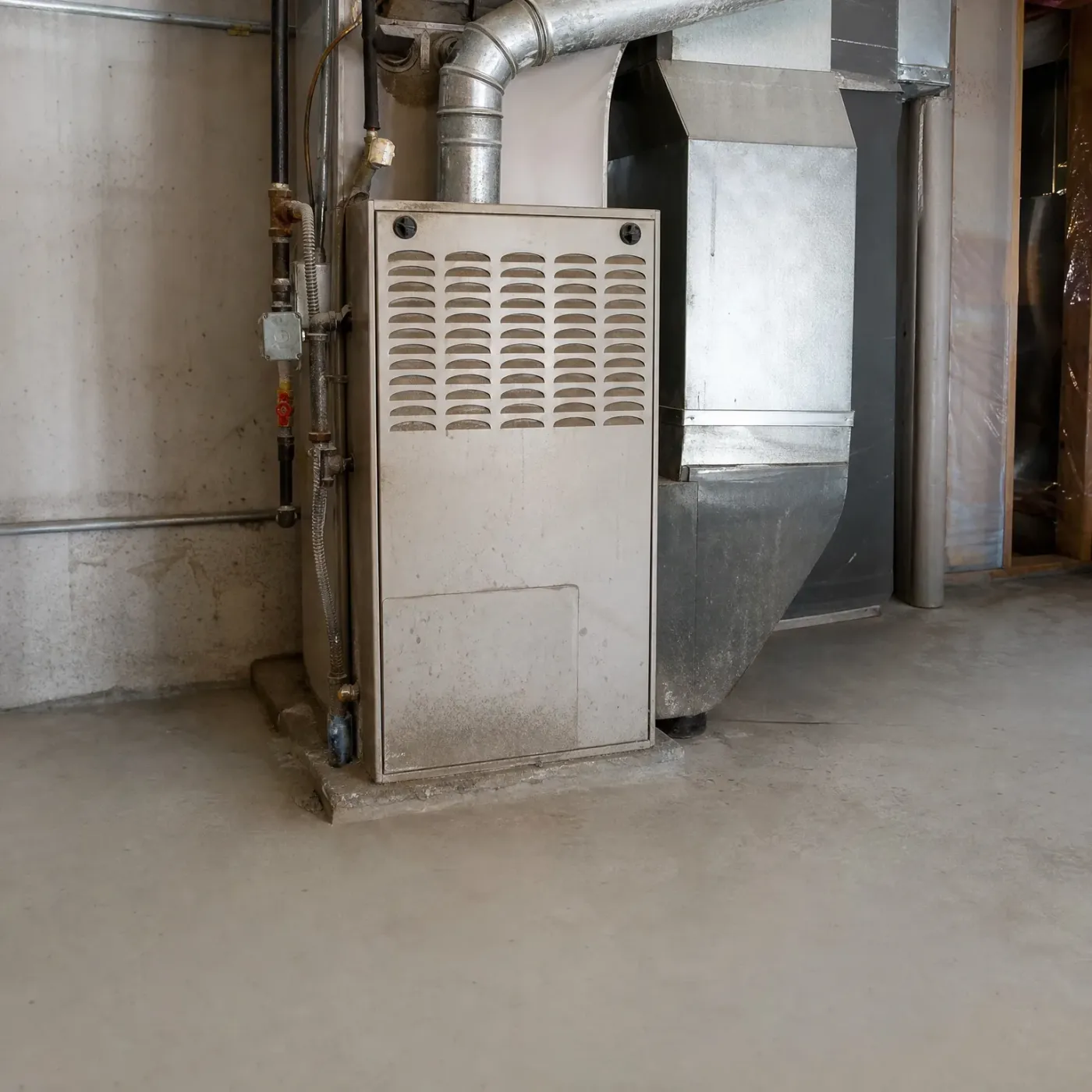
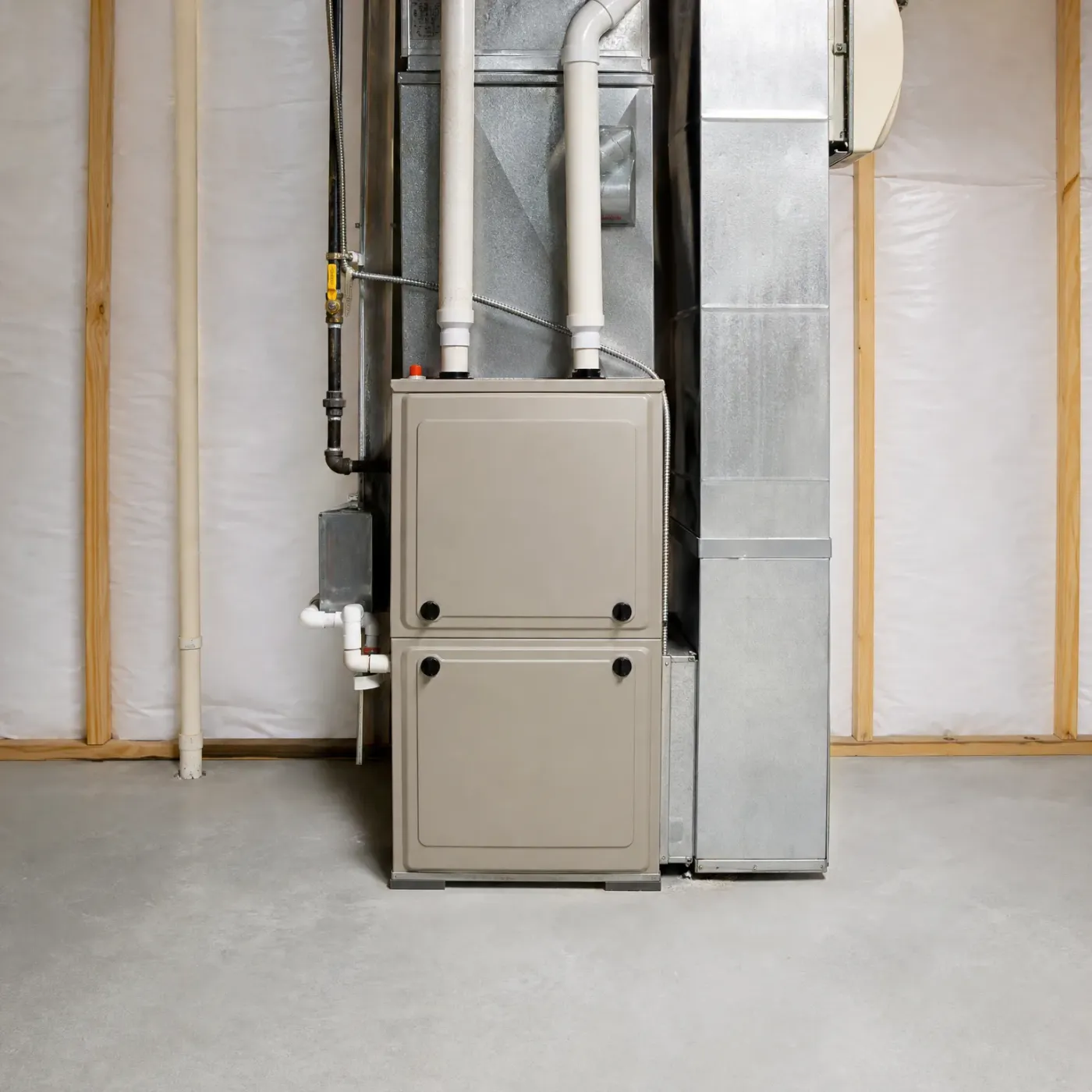
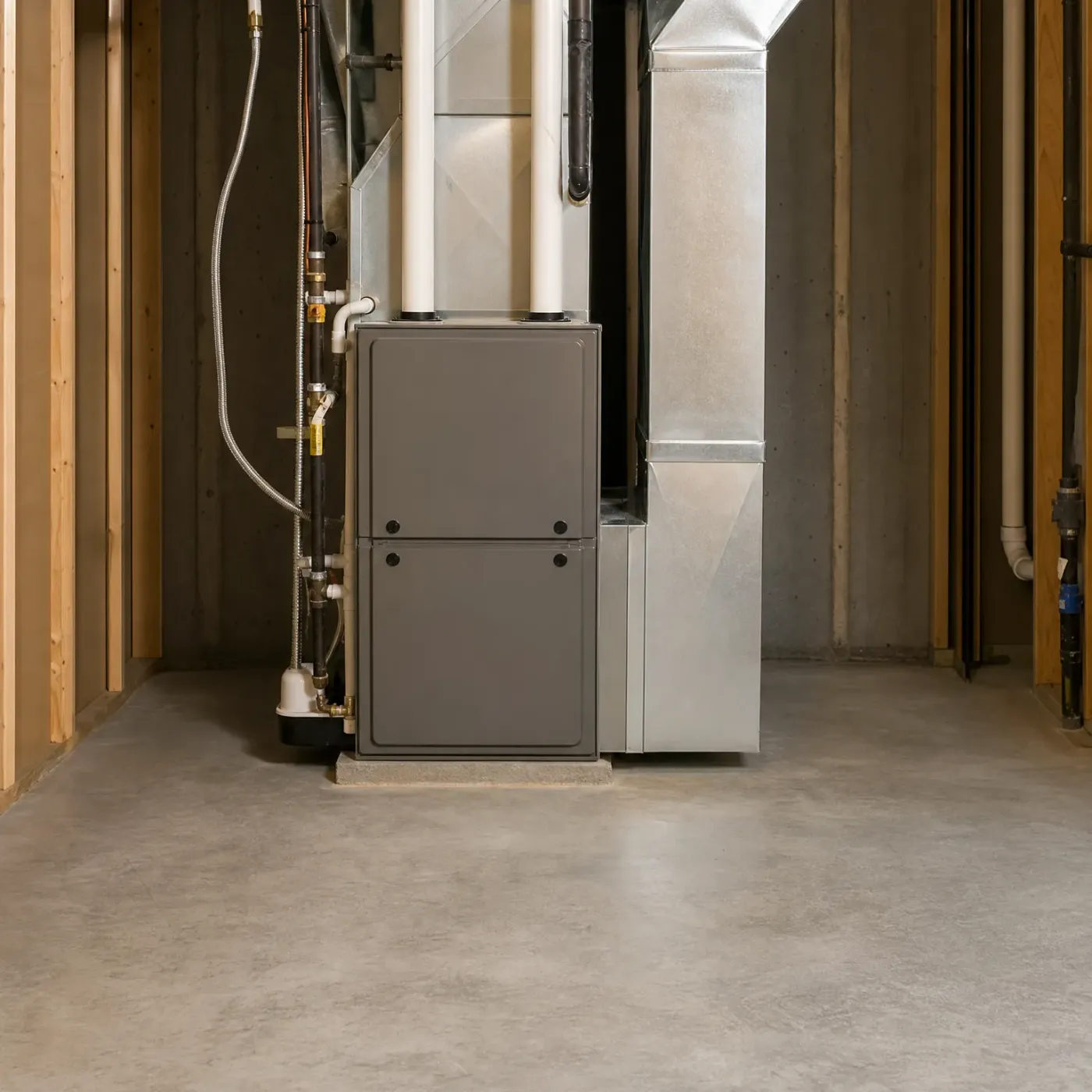
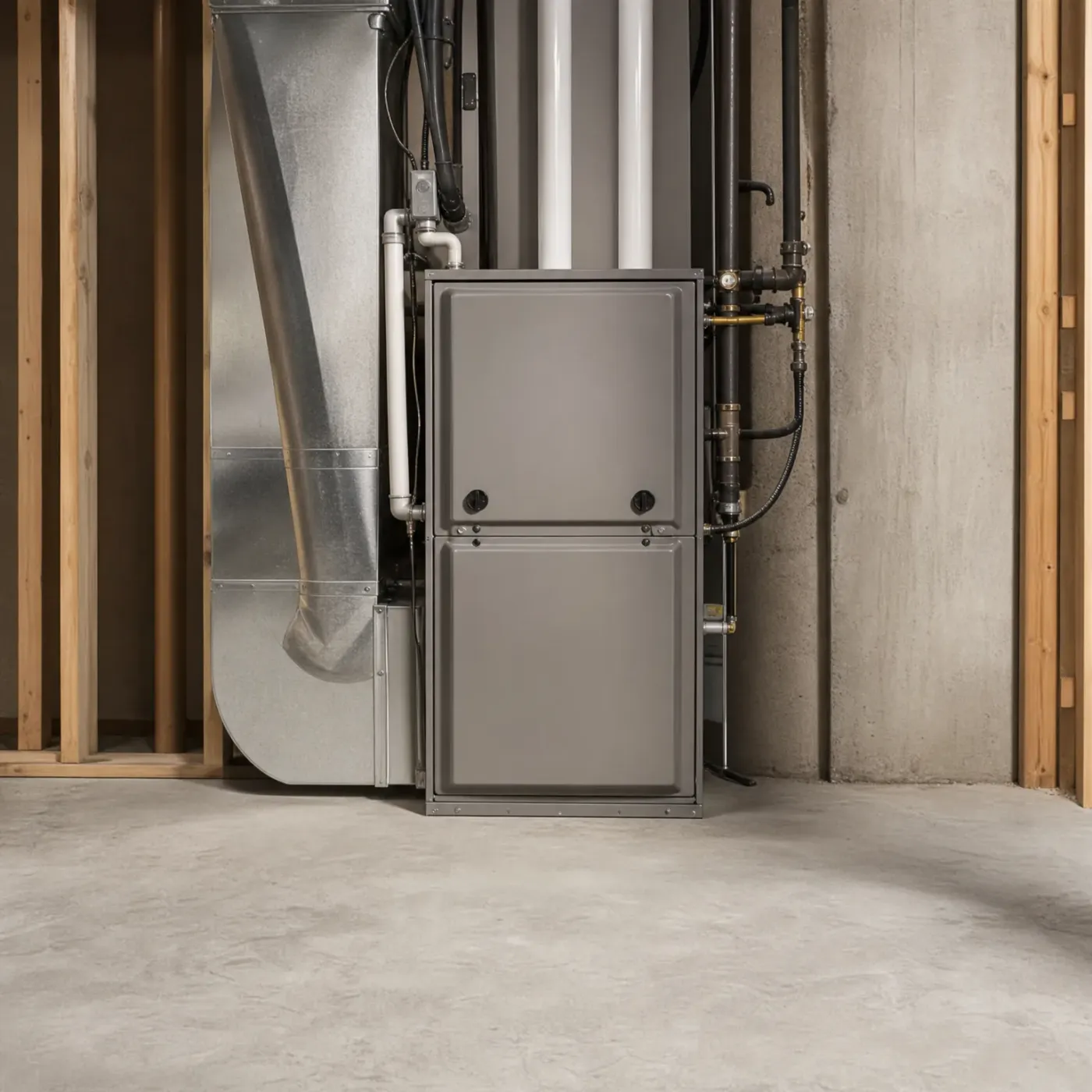
This furnace runs on a normal cycle, warms the air, and sends it through clean ductwork to every room. Gas lines and condensate piping are hooked up right, and nothing nearby is fighting the system. The basement stays dry and the furnace shuts off between calls for heat instead of running straight through.
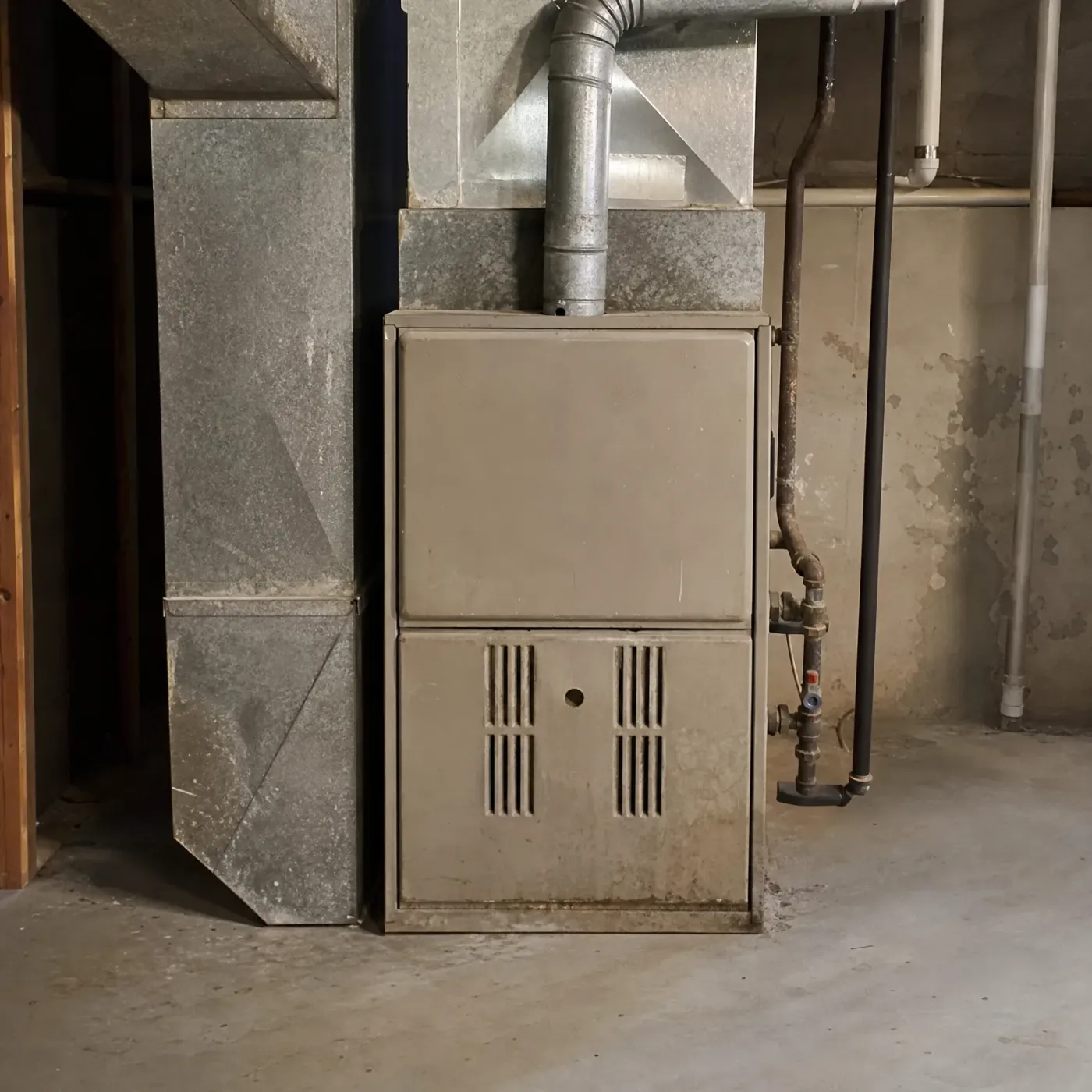
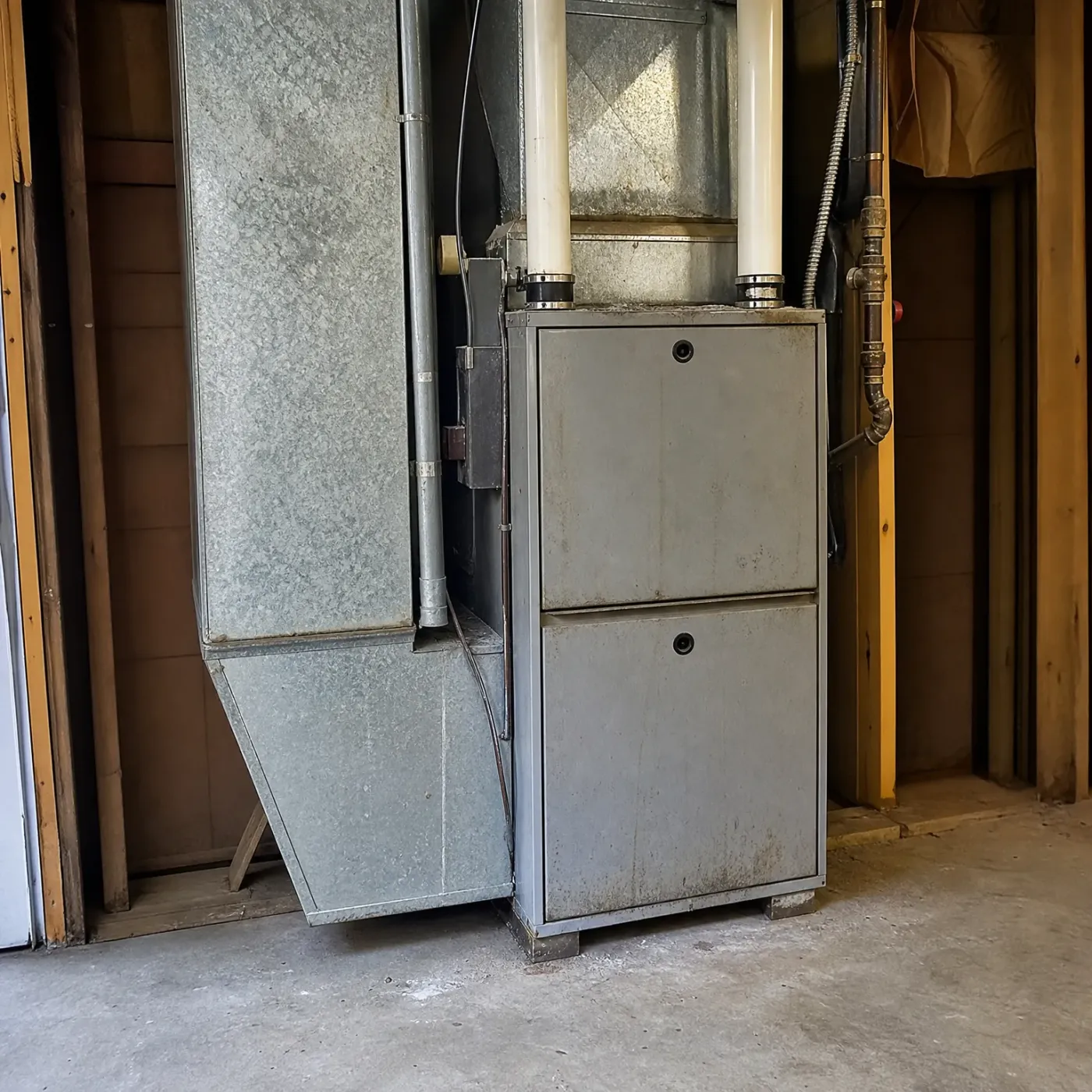
This is an older unit, and the flue pipe venting upward is worth a look if the house still won't warm up. Shutoff valves and exposed pipes nearby aren't the problem, but a furnace this age is more likely to have a weak blower or a part that's worn past doing its job.
At 23°F, your furnace has to run close to nonstop just to hold 68 inside. That's normal on a cold night. What's not normal is a bedroom stuck at 60 while it keeps running that hard, and a night this cold is when a dirty filter or a closed vent finally shows itself.
NOAA nClimDiv 1991-2020 county normals weighted by homes
A furnace that runs nonstop and still leaves rooms cold almost always comes down to something blocking the air: a filter, a closed register, a duct leak, or a part inside the cabinet that's keeping the burner from doing its job right. None of that clears up on its own, and every night it goes unfixed is another night of gas burned for heat that never makes it past the hallway. A furnace repair tech who works on these systems all winter in Pennsylvania has seen this exact complaint more times than almost any other, and knows which of those causes to check first and which ones actually need a part replaced. The contractor who gets matched to your request is local, licensed, and the only one who'll call, so you're not stuck fielding four estimates to figure out who's worth trusting. You already know what's wrong: the furnace is working, the heat isn't getting where it needs to go. What's left is having someone who knows this equipment go find out why and fix it.
Let someone else find the pro