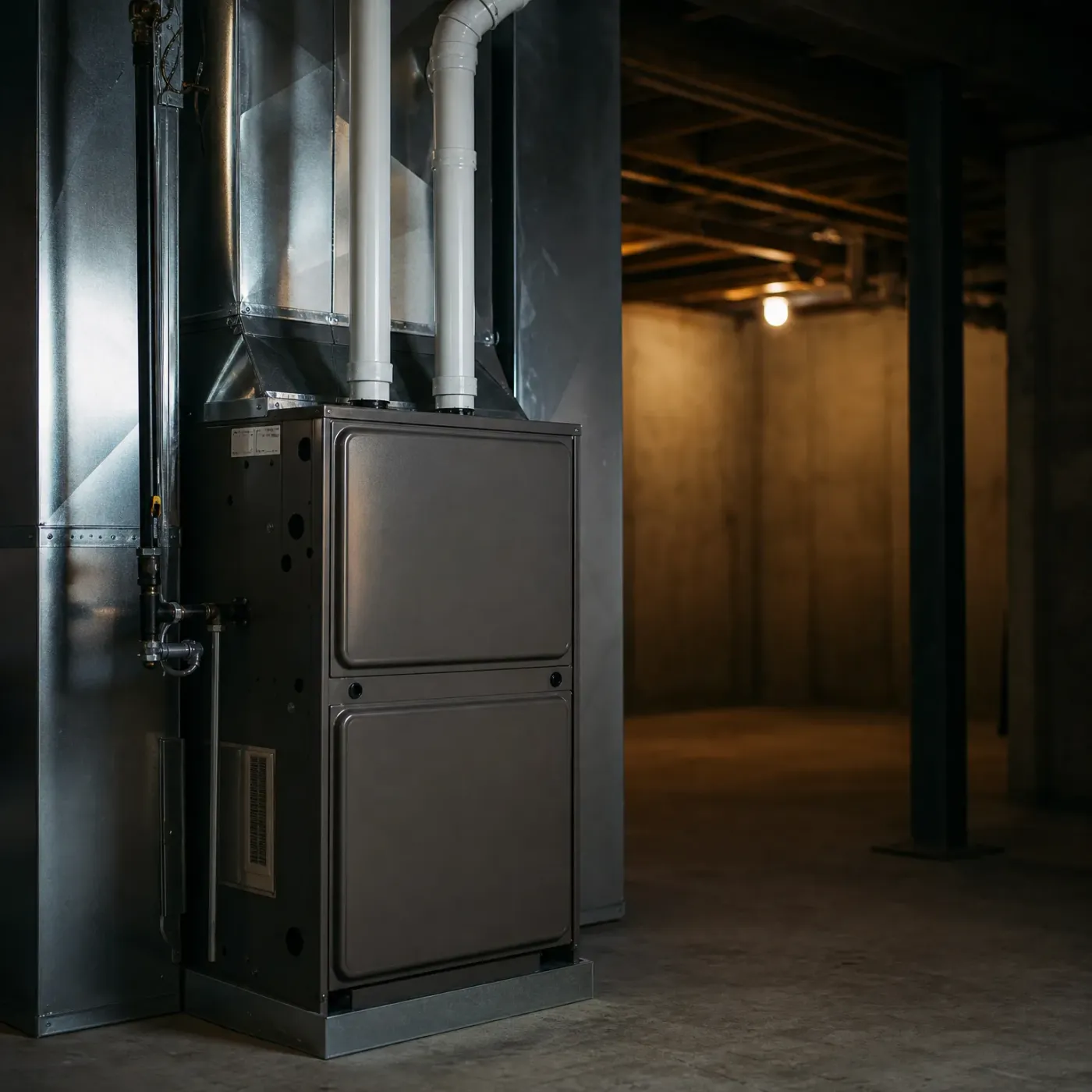
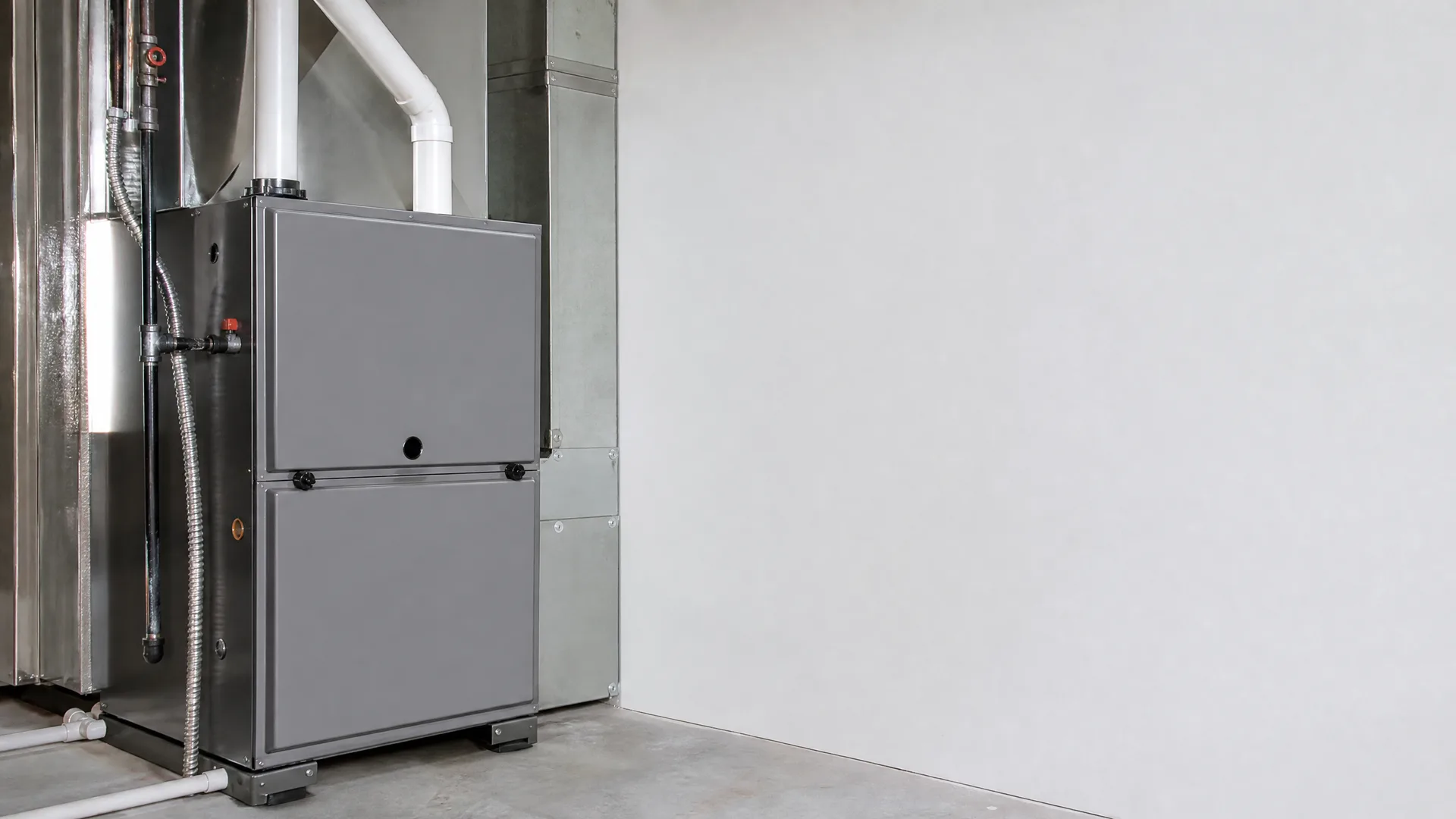
A gray high-efficiency furnace with two white PVC vent pipes stands beside galvanized sheet-metal ductwork in a dim basement with exposed joists and a concrete floor.

It's off your list after this

Furnace pilot light keeps going out in Pennsylvania

A pilot that won't stay lit usually comes down to one of a few things: a dirty or bent thermocouple, a draft finding its way into the cabinet, or a clogged orifice. This page gets into what's behind it and what a furnace tech in Pennsylvania will likely check first. Once you send the request, finding someone to look at it is off your plate.

Hand it off

A pilot that won't stay lit almost always means the thermocouple has stopped sensing the flame the way it should. That's the small copper rod sitting right in the pilot flame. Once it gets coated with soot or just wears out, it can't hold the gas valve open, and the flame drops out. Sometimes the cause is simpler: a draft from a cracked flue seal or a nearby vent is blowing the pilot out before the thermocouple even gets involved. Either way, this isn't something to keep relighting on your own. A furnace that won't hold its pilot is telling you the gas valve or venting needs a real look, and with gas heat running most homes here through a Pennsylvania winter, that's not a furnace to leave half-working. A licensed tech can tell within minutes whether it's the thermocouple, the pilot assembly, or airflow causing it, and get the flame holding again.

A gray high-efficiency furnace with two access panels stands in a bare basement corner, connected to sheet-metal ductwork, white PVC vent pipes, and flexible gas and electrical lines.

Why a draft puts it out

A pilot light needs a still flame to heat the thermocouple properly. If cold air is leaking into the cabinet around the door panel, or the flue isn't drafting right, the flame flickers or bends away from the rod. It can look lit one minute and be out the next. A tech checks the cabinet seal and the vent pipe before touching anything else, since replacing parts won't fix a draft problem.

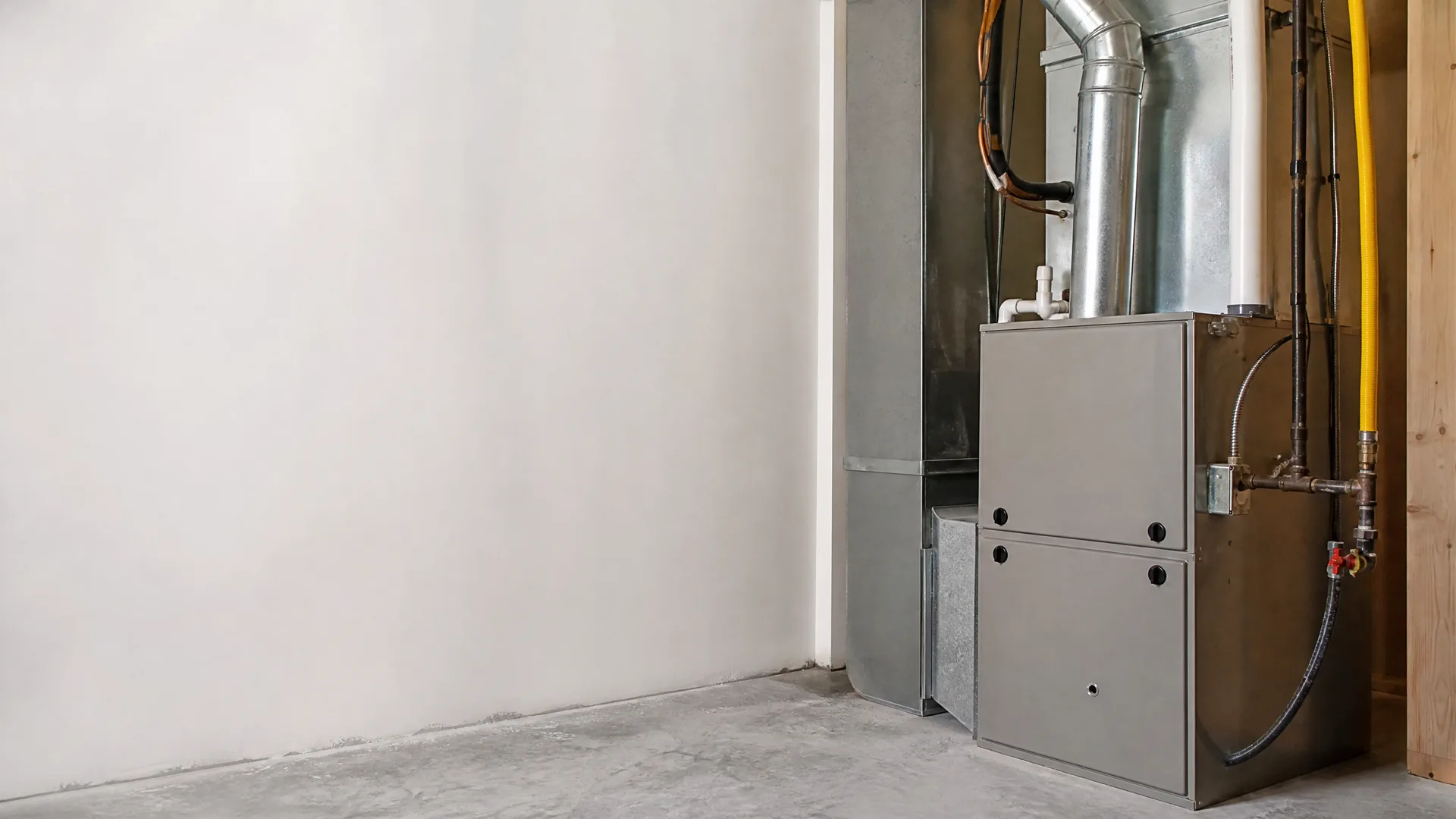
A gas furnace with metal ductwork, copper and yellow gas piping stands against a wall in an empty room with a bare concrete floor.

What a clogged orifice does

Gas reaches the pilot through a tiny opening called the orifice. Over time dust or a bit of rust can narrow that opening, so the flame comes out thin and weak instead of strong enough to wrap around the thermocouple. A weak flame still shows, but it won't hold the gas valve open once you let go of the knob. Cleaning or replacing that orifice is a small job, but it has to be done before the thermocouple gets blamed.

Why does my pilot light go out every time it gets windy?

Wind outside shouldn't reach a pilot flame sitting inside a sealed furnace cabinet, so when yours goes out on gusty days it feels like it has to be something else. But the timing isn't a coincidence. Wind changes the pressure at the flue outlet and the air intake, and that pressure change reaches the pilot faster than most people expect, especially in older furnaces or ones with a flue that doesn't draft well to begin with.

Wind is pushing air back down the flue or into the cabinet through a gap, and it's snuffing the flame before the thermocouple can hold the valve open.

A gust hitting the flue outlet on the roof can force air back down the pipe for a second, long enough to blow a pilot flame sideways or out. The same thing happens if the cabinet door isn't seated right or a seal around it has gone, letting outside air push in around the burner compartment. Either way, the pilot isn't shielded the way it's supposed to be. A tech working in Pennsylvania will check the flue termination and the draft first on a windy-day complaint, since that's a more common cause here than a bad thermocouple when the outage lines up with weather. They'll also check the cabinet door and seal while they're in there, since that's an easy thing to miss.

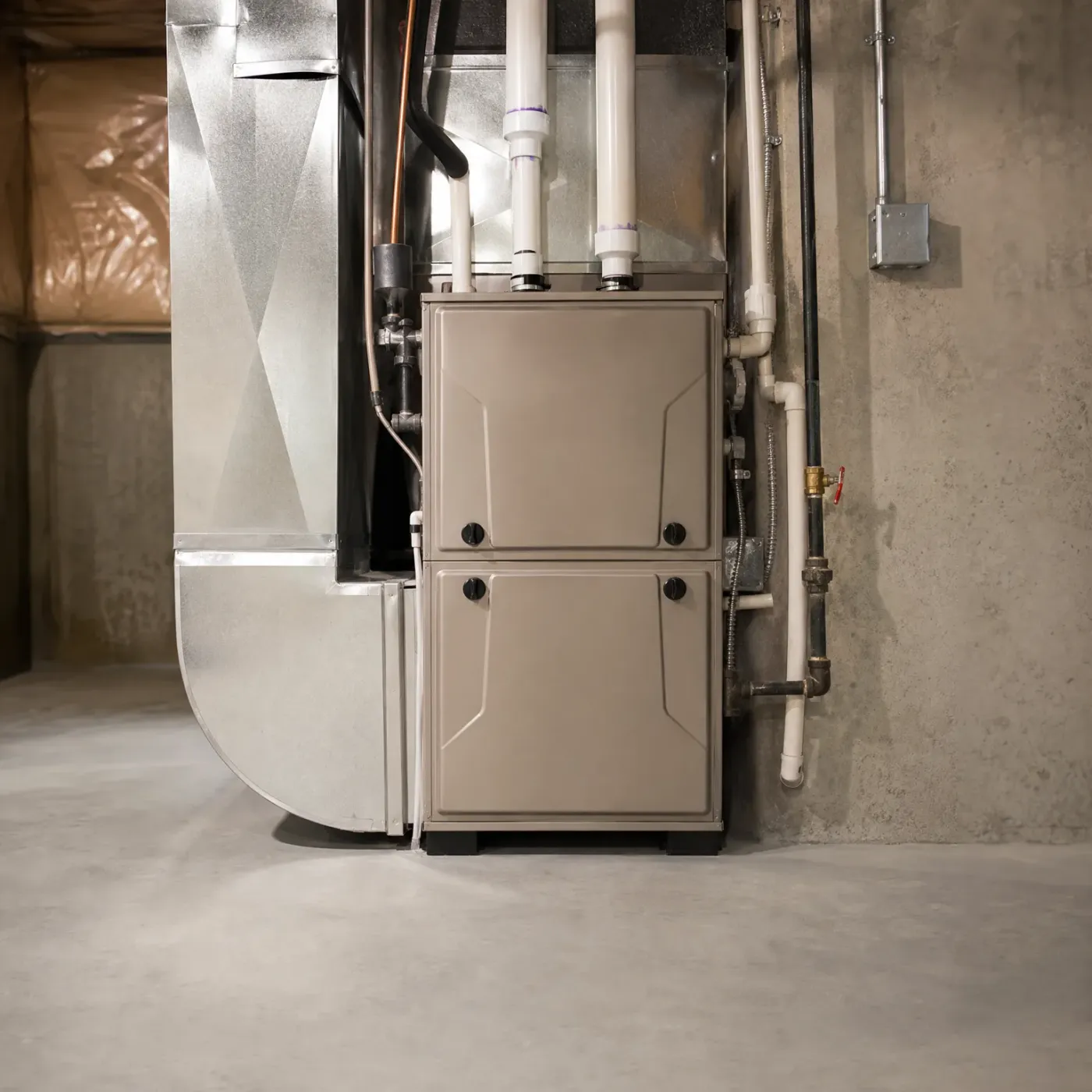
A beige high-efficiency furnace stands on a concrete basement floor beside sheet-metal ductwork, with white PVC vent pipes, flexible conduit and copper and steel piping running up a concrete wall to an electrical box.

Pilot lit and steady

A flame that stays put is doing its job: heating the thermocouple enough to hold the gas valve open. The cabinet is sealed, the flue is pulling right, and the furnace fires each time the thermostat calls. No relight, no pacing down to the basement to check.

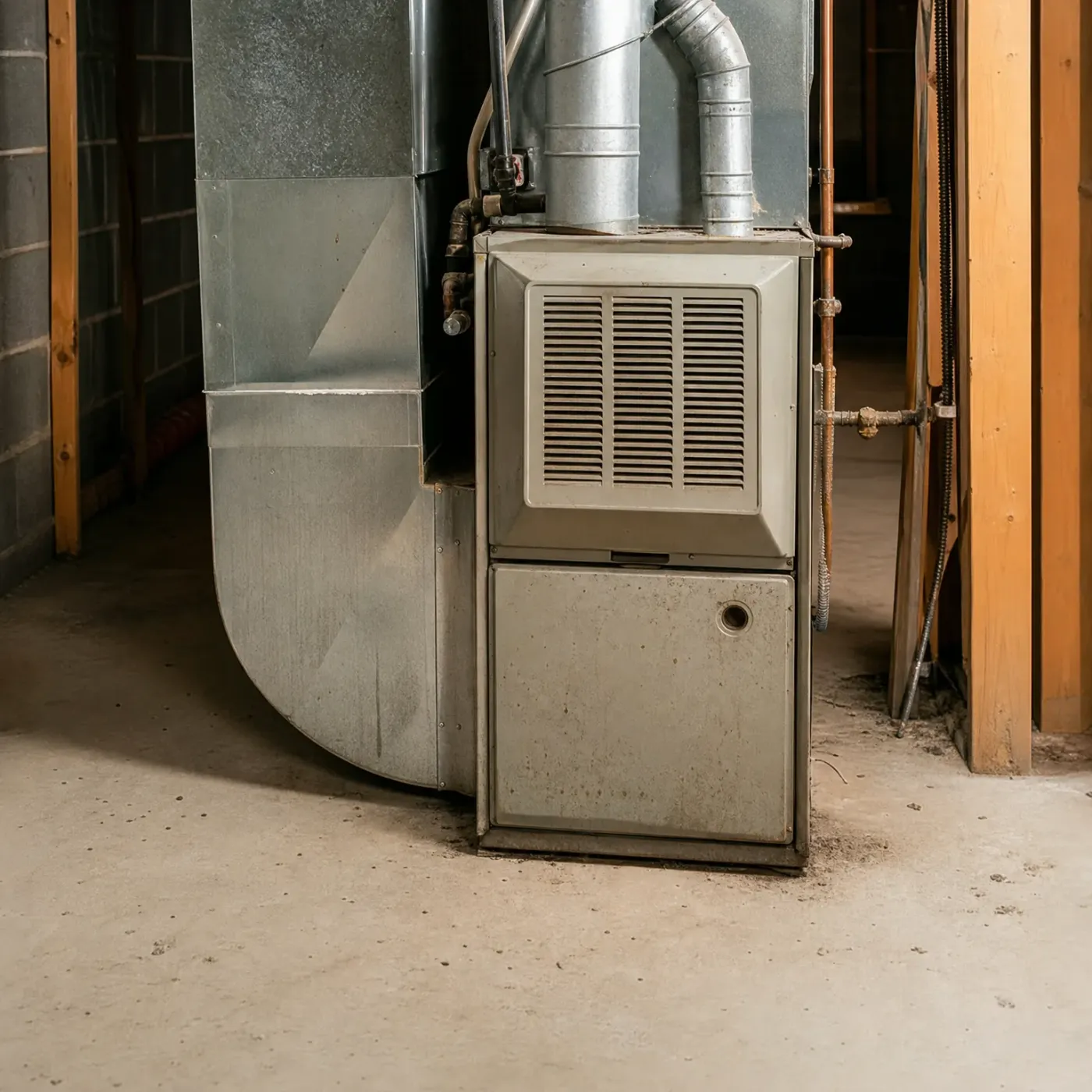
An older gas furnace with a louvered front panel stands on a concrete basement floor beside large sheet-metal ductwork, a metal flue pipe, copper piping and wood framing.

Pilot that won't hold

Dust collects around the base while the flame goes out again and again. An older unit like this one will show the wear plainly: a sooted thermocouple, a flame that leans instead of standing straight, a flue connection that's loosened over the years. A furnace tech can tell you which it is.

A gray-haired man in a dark sweater sits on a light gray sofa in a living room, looking toward a sunlit window with trees outside.
A gray-haired man in a dark blue sweater sits on a light gray sofa in a sunlit living room, looking off to the side, with a potted plant, shelving unit, and large glass doors behind him.
A bearded man with graying hair in a dark green sweater sits on a sofa in a living room, looking off to the side, with a sliding glass door and a dim kitchen doorway behind him.
A gray-haired man in a dark knit sweater sits on a light gray sofa in a living room, looking toward a sunlit window, with houseplants, a lamp, and framed art in the background.

Hand off the search today

A pilot that won't hold means you're relighting it on your knees every time the heat's supposed to come on, and in a Pennsylvania January that's not something to let ride. A worn thermocouple or a bad draft doesn't fix itself, and running the furnace on a pilot that keeps dropping out means cold mornings while you wait for the flame to catch again. Gas furnaces are what most homes here rely on to get through the winter, and with power costs what they are, nobody wants to lean on space heaters while this gets sorted. The contractor who gets your request works on furnaces like yours all season and has seen this exact problem plenty of times, so there's no guessing involved. Send the request and it's off your plate. One contractor gets it, local to you, and from there finding the fix isn't something you have to manage yourself.

If your pilot goes out at night and the furnace won't relight on its own, the house cools down while you're asleep, and a Pennsylvania January gets cold fast once the heat stops.

That's not a furnace that needs babysitting all winter. It's a thermocouple or a draft problem a licensed tech can find and fix, usually in one visit.

Winter nights average 23°F statewide

Winter nights here average 23°F, so your furnace is firing most of the night, every night, from December through February. A pilot that won't hold through one of those calls leaves the house losing heat for hours before anyone notices.

NOAA nClimDiv 1991-2020 county normals weighted by homes

A middle-aged woman with shoulder-length dark hair, wearing a gray cardigan over a cream top, sits in an upholstered armchair and looks toward a sunlit window, with a shelf holding framed pictures and a plant behind her.
A woman and a child wrapped together in a knitted gray blanket on a couch, with the child's head resting on her shoulder and a lit table lamp and houseplant in the background.

Where This Leaves You

  • A pilot that won't hold almost always traces back to a worn thermocouple, a stray draft, or a clogged orifice, not a mystery.
  • A furnace tech who works this equipment every Pennsylvania winter has likely seen the same failure on a dozen other furnaces already this season.
  • Relighting the pilot by hand is a workaround, not a fix, and it leaves the furnace vulnerable the next time it cycles on.
  • Once the thermocouple or the draft problem is corrected, the furnace holds its flame through every call from the thermostat, all winter.
  • Sending the request connects you with one licensed local contractor, so you're not fielding calls from several companies at once.
  • The furnace either holds its pilot reliably through a cold night or it doesn't, and that's the whole question this comes down to.

A pilot that keeps going out has a cause you can name: a thermocouple that's worn or coated with soot, a draft reaching the cabinet, or an orifice that's clogged. None of those clear up on their own, and relighting the pilot each time the furnace calls for heat only gets you through that one cycle. The next call from the thermostat starts the same problem over again.

A furnace tech working in Pennsylvania this time of year has already checked this exact thing on other furnaces this season. Bent thermocouples, drafty cabinet doors, flues that aren't pulling right, these aren't unusual finds for someone who's out on calls like this through December, January, and February. That's the kind of familiarity that makes the visit quick instead of a guessing game.

Sending the request puts you in touch with one licensed contractor local to your area, not a handful of companies competing for the job. You get someone who shows up knowing the furnace, checks the thermocouple and the draft, clears or replaces what's failing, and tests it through a full cycle before leaving.

Once that's done, the furnace holds its flame on its own. No more checking on it before bed, no more finding it out on a cold morning. It either lights and stays lit through the night, or it doesn't, and fixing the actual cause is what moves it from the second to the first.
A single-story stucco house at dusk with a lit paver walkway lined by low path lights, desert plants and boulders in front, and distant mountains under an orange and blue sky.

Furnace Repair

Stop chasing a furnace pro

Step 1 of 3: Equipment
  • A beige upholstered armchair with an olive cushion sits in a sunlit corner beside a wooden side table holding a ceramic vase with leafy branches, under a framed abstract artwork, on a woven rug over a wood floor.
    • Tell a local repair pro what your furnace is doing.
    • Describe your furnace job, and a local pro who handles it gets in touch.
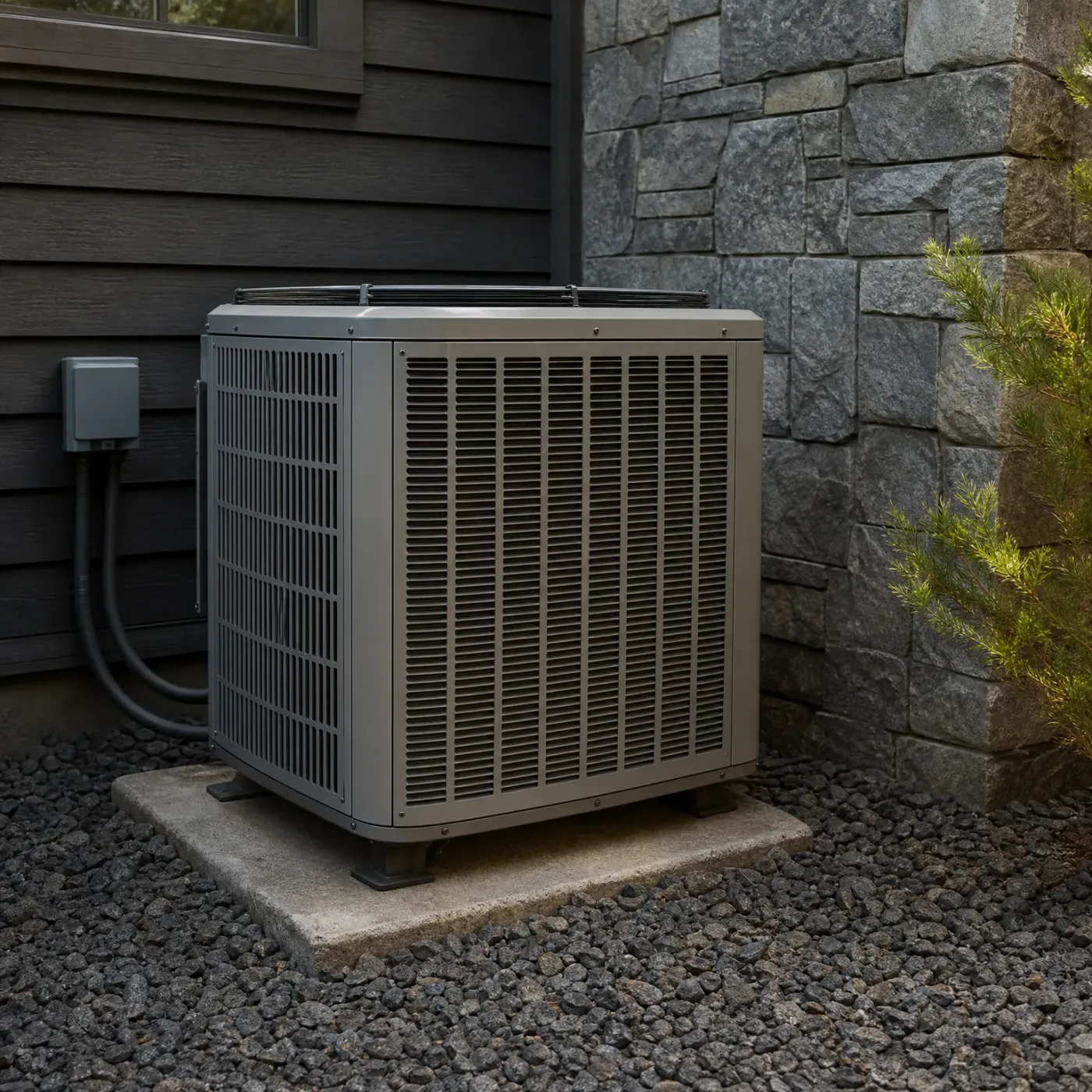
  • A gray outdoor condenser unit on a concrete pad surrounded by dark gravel, beside a dark wood-sided wall with an electrical disconnect box and a stone veneer wall with a small evergreen shrub.
    • Send the request today and let a furnace pro reach out to you.
    • Get the furnace repair search off your mind today.
  • A beige upholstered oversized armchair with a matching cushion and a knit throw draped over one arm, beside a round wooden side table holding a vase of greenery near a curtained window, with a framed landscape print on the wall and a woven rug on a wood floor.
    • Explain the job once and skip repeating it on every call.
    • Skip searching for a furnace pro and answer a few questions instead.
  • Sunlit living room corner with a beige upholstered sofa, cushion and knitted throw, a round wooden side table holding a white ceramic vase of leafy branches and a small wooden bowl, a framed landscape painting on the wall, and a window at right.
    • Your request stays with one local pro.
    • Your request goes to one pro, not a list of companies.