Tell us about the job
Takes about a minute. No obligation.
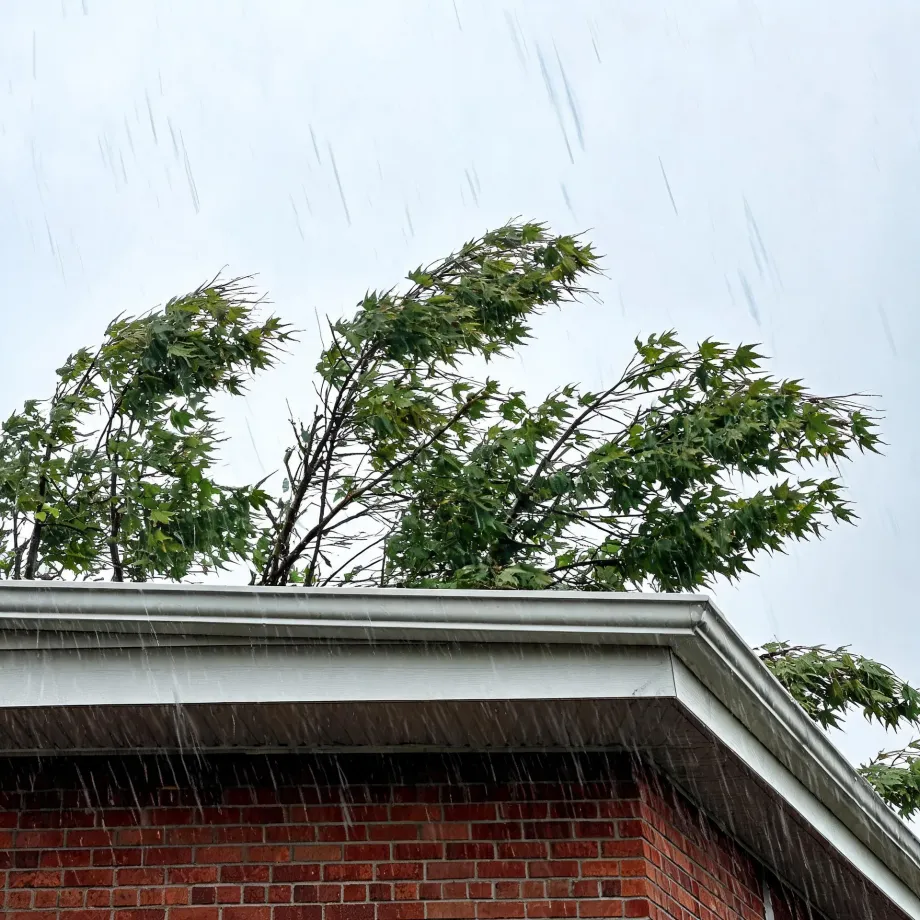
A furnace repair in this area starts with sorting out what the equipment has actually been through. 116 severe weather events were recorded in Cumberland County, Pennsylvania between 2015 and 2024. At that rate, severe weather is a routine pressure on every system in the county, not an occasional outlier, and a contractor pulling apart a furnace here expects to find stress on ignition components, limit switches, and heat exchangers that reflects cumulative load rather than a single bad season. Age and maintenance history still matter, but a quote that ignores what this climate asks of heating equipment is working from an incomplete picture.
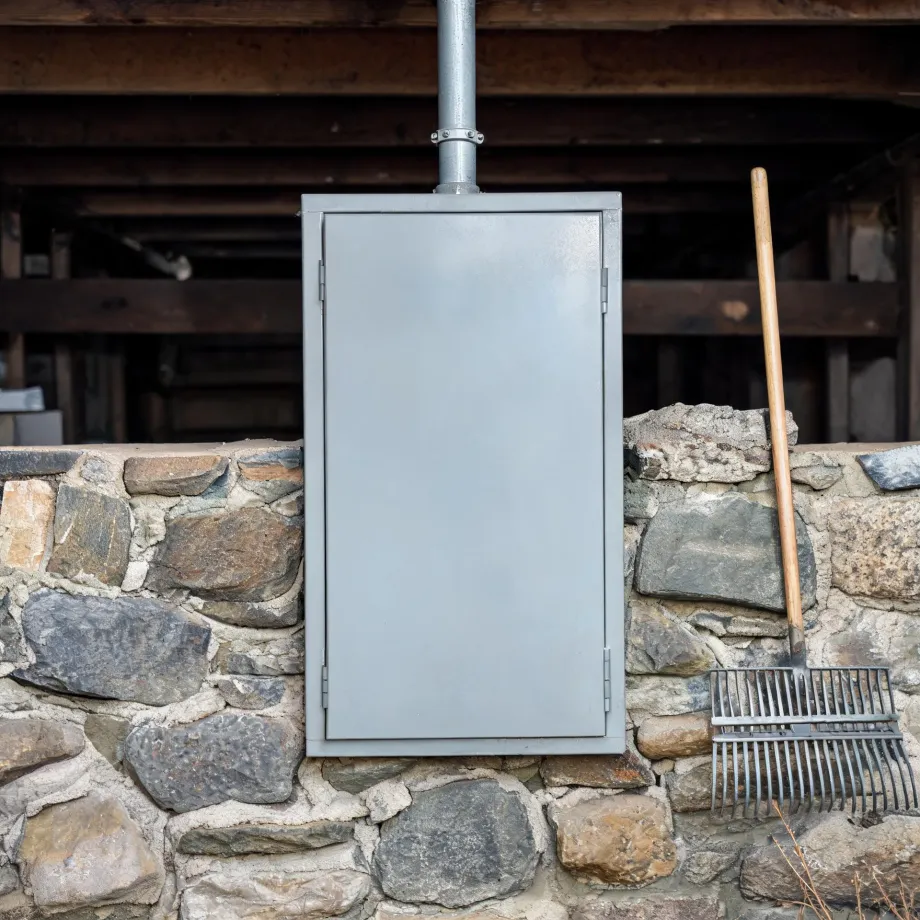
Older ductwork and older furnaces accumulate problems that only show up once the unit is open: cracked heat exchangers, corroded burners, control boards whose replacement parts are no longer in regular production. Half the homes in Cumberland County, Pennsylvania were built in 1978 or earlier (2020-2024 ACS 5-year). That history in the housing stock means a contractor pulling a furnace panel here is more likely to find a component at the end of its serviceable life than one with years left in it, and the repair scope often shifts once they do.
The Parts of a Furnace a Contractor Checks First
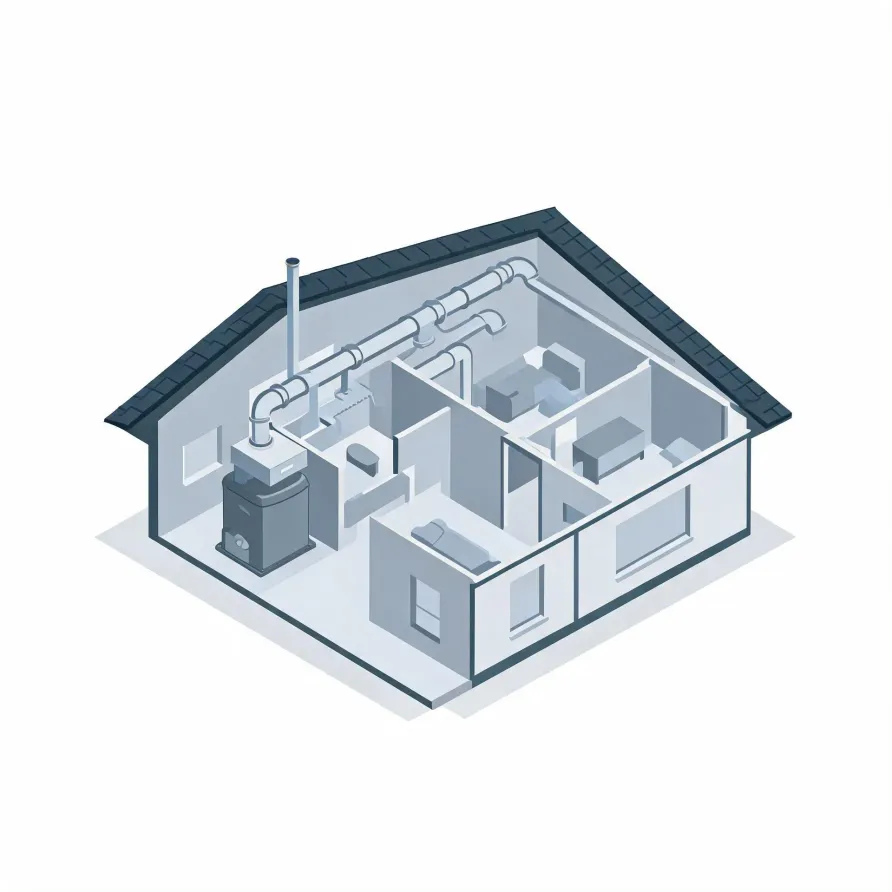
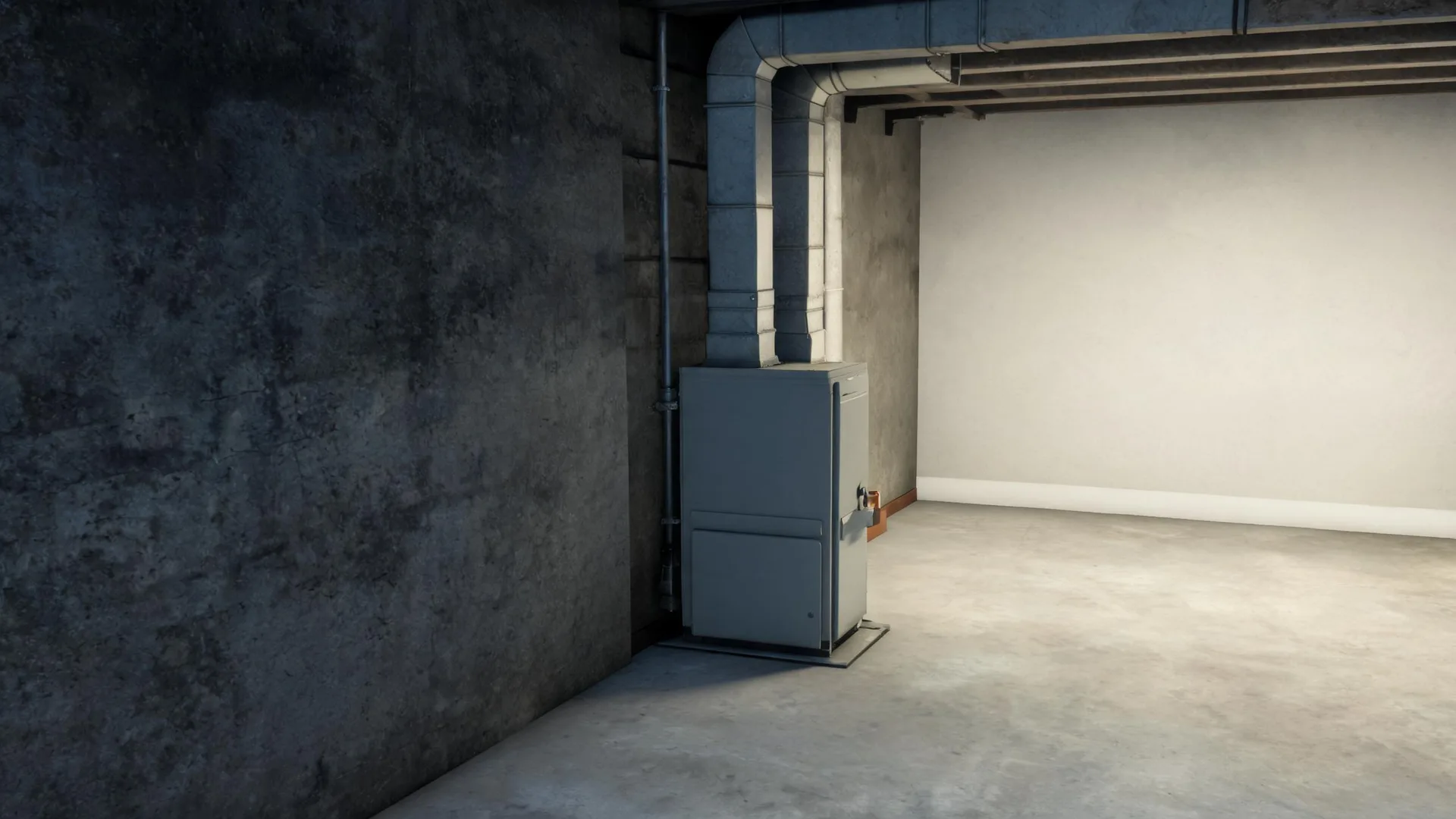
The furnace itself sits in a basement, utility room, or closet and is the piece a contractor goes to immediately. Inside it, the heat exchanger is the part that transfers heat to the air moving through the system. When the heat exchanger cracks, the furnace can run but deliver no useful heat, and that is one of the first things a contractor rules in or out.
The burner assembly and igniter sit inside the furnace cabinet and are common fault points when a furnace fails to start or starts and then shuts off. The blower motor sits at the base of the unit and pushes conditioned air outward. The flue pipe runs from the furnace to an exterior wall or roofline and matters when a contractor is diagnosing combustion problems.
The drawing shows a general layout of these components, and a licensed contractor determines what applies to the specific equipment and setup in your home.
Find a contractor in Cumberland CountyCumberland County, by the numbers
116 severe weather events were recorded in Cumberland County, Pennsylvania between 2015 and 2024.
NOAA National Centers for Environmental Information, Storm Events Database, bulk CSV export, events 2015-01-01 through 2024-12-31.Half the homes in Cumberland County, Pennsylvania were built in 1978 or earlier (2020-2024 ACS 5-year).
U.S. Census Bureau, 2020-2024 American Community Survey 5-Year EstimatesCumberland County, Pennsylvania holds 111,278 housing units (2020-2024 ACS 5-year).
U.S. Census Bureau, 2020-2024 American Community Survey 5-Year EstimatesOwners occupy 71.3% of the occupied homes in Cumberland County, Pennsylvania (2020-2024 ACS 5-year).
U.S. Census Bureau, 2020-2024 American Community Survey 5-Year EstimatesCodes & Standards Governing Furnace Repair in Cumberland County, Pennsylvania7 sourced rules and standards
What HVAC Repair Looks Like in Cumberland County
Non-weatherized gas furnaces manufactured on or after November 19, 2015 must reach 80.0 percent AFUE.
Non-weatherized oil-fired furnaces manufactured on or after November 19, 2015 must reach 83.0 percent AFUE.
Mobile home gas furnaces manufactured on or after November 19, 2015 must reach 80.0 percent AFUE.
Non-weatherized gas furnaces manufactured on or after December 18, 2028 must reach 95.0 percent AFUE, up from the 80.0 percent minimum that applies to units manufactured before that date.
Licensing and Legal Requirements in Cumberland County, Pennsylvania
Pennsylvania names the trade in its own definition: installing central heating or air conditioning is a home improvement under the Act, whether or not the equipment is affixed — so an HVAC installation is work the registration requirement reaches.
A Pennsylvania registration displaces the local one: no political subdivision may require a home improvement contractor to register, license or pay a fee on top of it, though building permits and local code enforcement still apply.
Pennsylvania requires home improvement contractor registration rather than a licence: nobody may hold themselves out as a contractor, or perform any home improvement, without first registering with the Bureau of Consumer Protection.
Weather Stress on HVAC Equipment in Cumberland County
Heating equipment works harder when outdoor conditions are extreme, and how often that happens here shapes how quickly components wear out. A furnace that carries a heavy weather load will need repair sooner than one that rarely faces it, which is why local storm history is part of the picture for any Cumberland County homeowner.
116 severe weather events, 2015–2024. Source: NOAA National Centers for Environmental Information, Storm Events Database.