

How long a furnace lasts in Pennsylvania
Skip collecting and comparing quotes for the new furnace.
Skip the callsA gas furnace in Pennsylvania lasts 15 to 20 years. The ones that make it to 20 are usually sized right for the house and have had their filters changed and their burners checked on a regular schedule. The ones that quit early are often doing more work than they should, because a Pennsylvania winter asks a lot of a furnace for months at a stretch. Past the 15 year mark, repairs tend to come more often and cost more each time, and a cracked heat exchanger or a failed control board can make replacement the more sensible choice even if the unit still runs. If yours came with the house and you don't know its age, a licensed technician can read the data plate and tell you where it stands and what that means for how much longer you can expect to rely on it.




What actually wears out inside a furnace after 15 or 20 years?
You've heard the number but want to know what's actually failing inside the cabinet. A furnace doesn't just stop one day for no reason. Parts that handle heat and electricity thousands of times a year give out in a fairly predictable order, and knowing which one usually goes first tells you what a contractor is looking at when yours starts acting up.
The heat exchanger and the igniter are usually the first things to fail
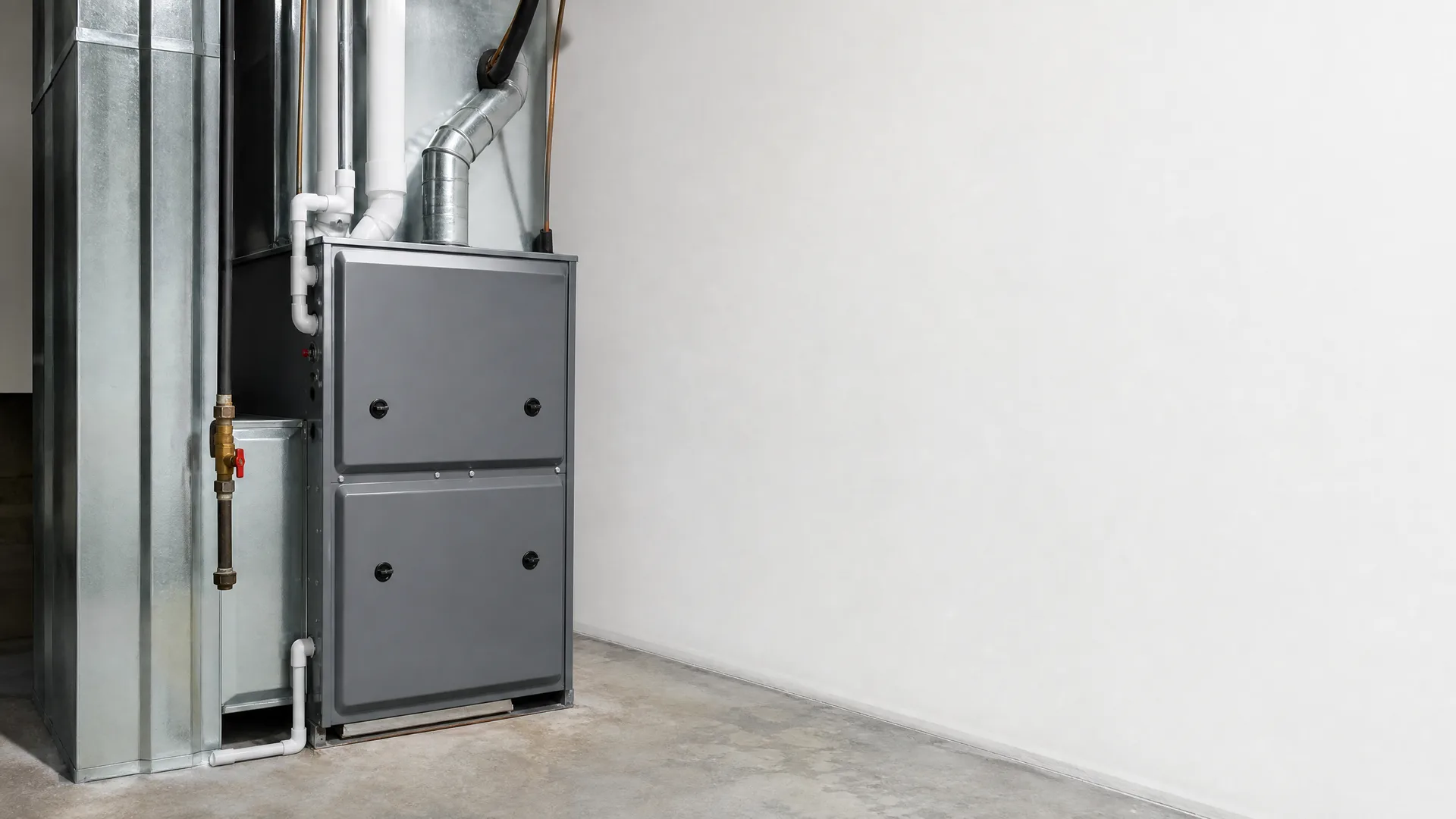
The heat exchanger cracks from years of heating and cooling every time the burners cycle on and off. Once it's cracked, the furnace needs to be replaced, not repaired, since that part carries flue gas and can't be patched safely. Before that, the igniter is usually the first thing to go. It's a small ceramic or silicon carbide strip that glows to light the gas, and it's brittle, so it fails from age and from the regular on off cycling of a Pennsylvania winter. The blower motor's bearings wear down too, and you'll usually hear that before anything else quits, a grinding or squealing sound when the system kicks on.
Why Pennsylvania winters shorten the wait
A furnace in Pennsylvania runs from October into April most years, sometimes longer when spring stays cold. That's a long stretch of cycling on and off, heating a house through nights in the twenties and thirties. Every cycle puts a little more wear on the igniter and the heat exchanger. A furnace in a milder state might run half as many hours a year. Here, the hours add up faster, and so does the wear.
What a tight house does to a furnace
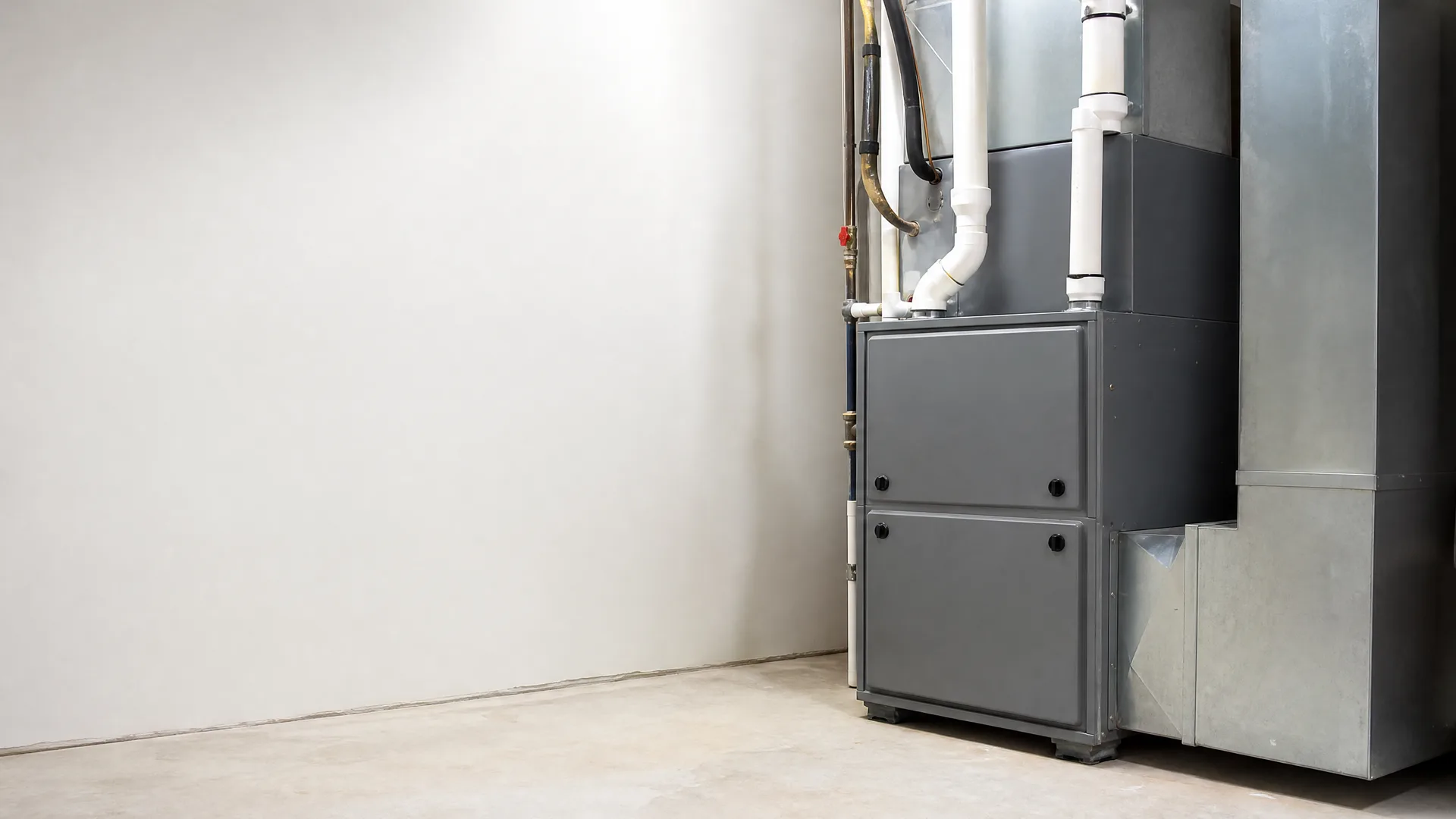
Gas is still the common fuel for heating in Pennsylvania, and with electric rates high, homeowners lean on that furnace instead of switching over to backup heat strips or a space heater. That means it's working through more of the cold months with no break. A furnace sized correctly for the house and maintained on schedule can hold up through that kind of steady demand for the full 15 to 20 years. One that's undersized or skipped its checkups usually can't.
Is your furnace telling you something right now
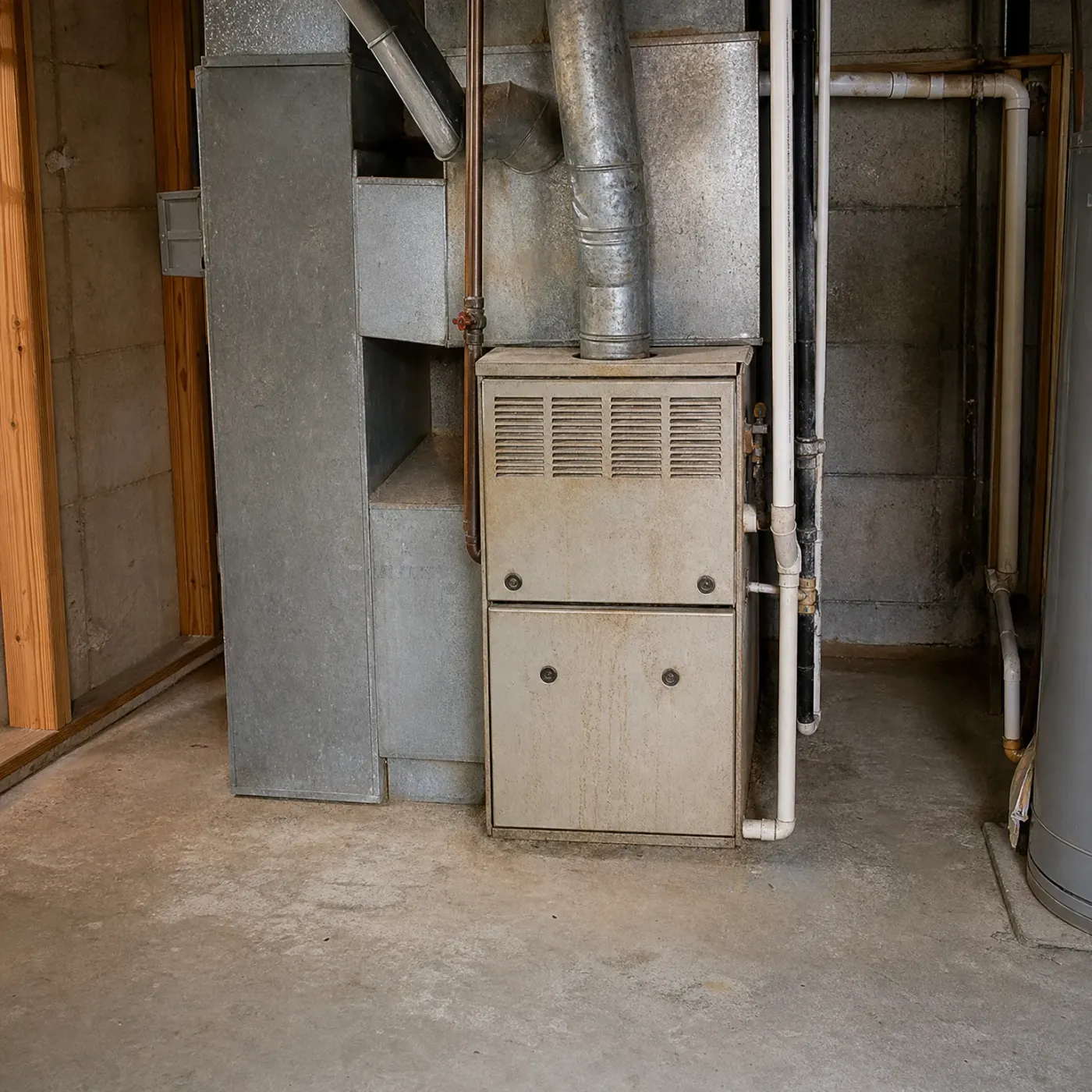
A furnace near the end usually says so before it quits outright. It runs longer to hold the same temperature, so rooms that used to warm up fast now take a while, and the thermostat seems to be working harder than it used to. You might hear a bang or rattle when it kicks on, or notice one room stays cooler than the rest of the house. The burner flame should look blue. If it's flickering yellow, or you smell something odd when the system starts, that's worth having checked, since it can point to a problem with how the gas is burning. A furnace that's struggling also tends to push your gas bill up before it fails completely.
Skip calling around
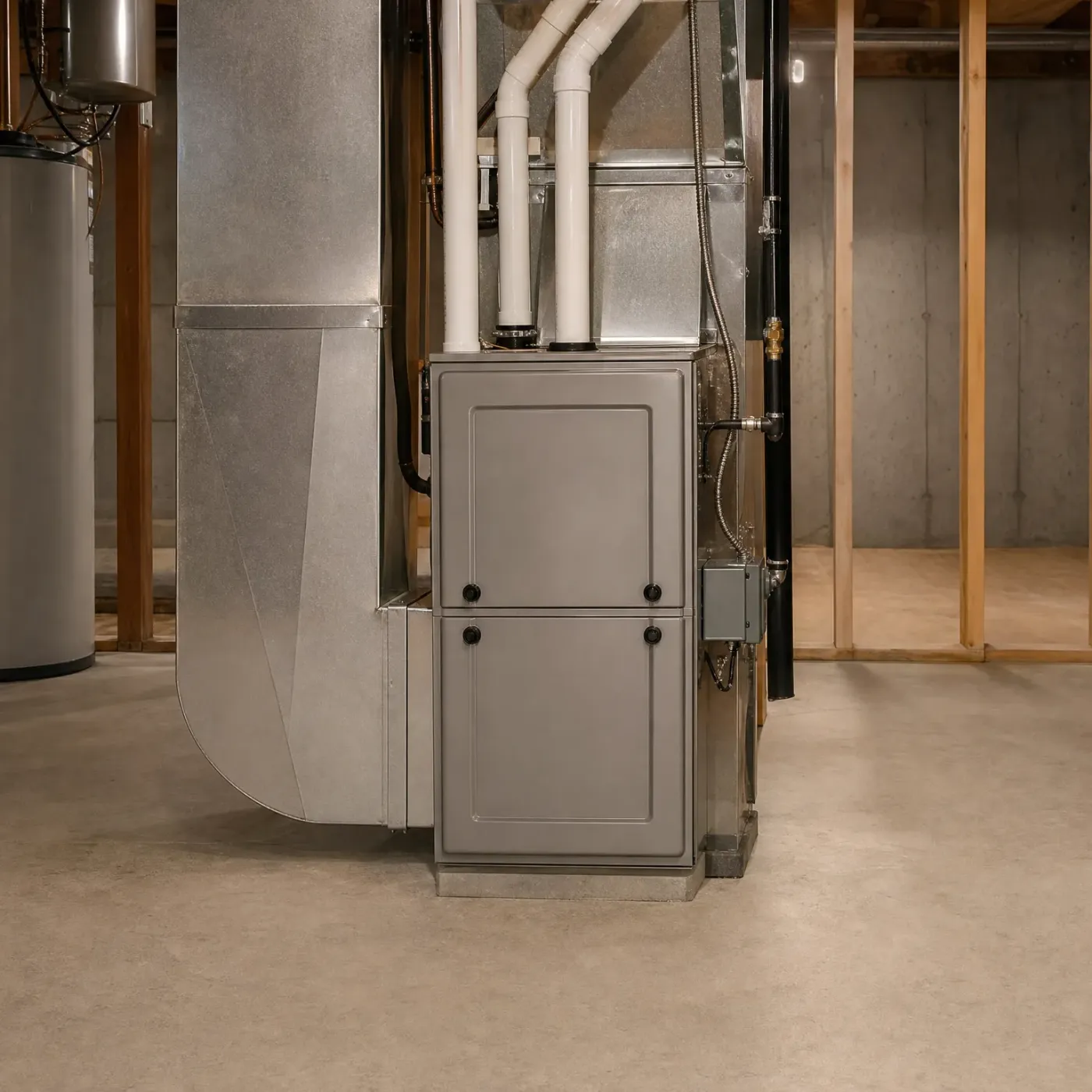
A furnace that's 18 years old and struggling through a Pennsylvania winter isn't something to sit with while you get quotes. If it's the burners or the heat exchanger going, you're looking at replacement, not a patch job, and that means finding someone who installs furnaces correctly for a gas system and a house built for this climate, not just whoever answers first. That usually means calling a few places, explaining the same thing each time, waiting on quotes, and trying to tell which one actually knows what they're doing. A local contractor who works on furnaces all winter in this area has seen what typically goes first in a system your age and what sizing actually works for a Pennsylvania house. Submitting the request above sends your situation to one contractor who does this work regularly, not a handful of companies competing for the job. With gas furnaces running most homes here and power already expensive, getting the system replaced correctly matters more than getting it replaced fast.
Replace it now, at the end
You can run a furnace until it won't light anymore. Some people do. The trade-off is you're making the call in January, with the house getting cold and whatever contractor you can reach that week taking the job. There's no time to ask around, check a license, or get more than one person out to look at it. If the heat exchanger has cracked, that's also a safety issue, and you're not in a position to wait. You take who's available, and you hope they size the replacement right instead of just swapping in whatever's on the truck. The furnace gets replaced either way. The difference is who's doing it and how much say you had in it.
Replace it on your schedule
The other option is watching for the signs, the longer cycles, the higher bills, the age on the nameplate, and lining up a contractor before the furnace forces the issue. You get to pick someone licensed to work in Pennsylvania, one who can walk through your house and size the new unit instead of guessing. You're not calling three or four companies and repeating the same story each time. One contractor comes out, looks at what you have, and tells you what it needs. If the furnace has a few winters left in it, you'll know that too, and you can wait without it being a gamble.


Winter nights average 23°F statewide
At 23°F, your furnace is firing often just to hold the house at a normal indoor temperature, not during a cold snap but on an average winter night. That's the load it's built for here, and it's why a unit sized wrong for the house gets run hard for years instead of a season.
NOAA nClimDiv 1991-2020 county normals weighted by homes
Where your furnace stands now
- A gas furnace in Pennsylvania typically runs 15 to 20 years before the heat exchanger or burners give out for good.
- Furnaces sized right for the house and kept on a filter and burner schedule tend to reach the far end of that range.
- Units that short-cycle or run constantly through the winter are usually working harder than they were built for, and they wear out sooner.
- A licensed local contractor who services furnaces all winter has seen which brands and setups fail early in this climate and which don't.
- Working with one contractor instead of several means one visit, one answer, and no repeating the same details to different companies.
- Once you know where your furnace stands, the next step is getting someone qualified to look at it and tell you what it needs.
Fifteen to twenty years is the range a gas furnace in Pennsylvania works with. Where yours lands inside it comes down to sizing, maintenance, and how hard it's had to run through winters that stretch from October into April. A unit that's been serviced on schedule and sized right for the house tends to reach the far end. One that's been short-cycling or running nonstop has likely been working past what it was built for, and that catches up with the heat exchanger or burners sooner rather than later.
None of that tells you what your specific furnace needs right now, and that's not something to guess at from the thermostat. A contractor who works on furnaces all winter in this area has seen which models hold up and which ones fail early, which brands struggle with Pennsylvania's swing between sticky summers and long cold stretches, and what usually goes first when a unit's been pushed hard for 15 years. That kind of knowledge comes from doing the work locally, season after season, not from a sales call.
Getting matched with one licensed local contractor means you explain your furnace's history once, to someone who actually services this equipment, instead of fielding calls from several companies and repeating yourself each time. You get one visit and one straight answer about where your furnace actually stands. Whether that means another few years of normal upkeep or planning for a replacement before next winter, you'll know instead of guessing.
Describe it once
One installer gets your project, so there's no bidding war over it.