Signs your furnace won't last a Pennsylvania winter
Tell a local repair pro what your furnace is doing.
A furnace that's struggling in January doesn't usually fail without warning. It gives you signs first: short cycling, a burner flame that looks yellow instead of blue, rooms that won't hold heat, a gas bill that's climbed even though you haven't changed the thermostat. Pennsylvania winters don't leave much room for a furnace that's already on its way out.
Gas heat is the standard here, and most of these systems are built to run hard for months at a stretch. When one starts cycling more than it used to, or the blower runs almost constantly trying to keep up, that's the system telling you it's working harder than it should to do the same job.
You don't have to figure out whether what you're hearing or smelling is serious. A rattle from the cabinet, a smell of gas near the unit, a pilot or igniter that won't hold, soot around the vent hood: each of these means something different, and guessing wrong costs you either money on a needless repair or a cold week waiting on a bigger one.
What you need isn't a diagnosis you make yourself standing next to the furnace. It's someone who can look at your system, in your house, and tell you plainly whether it's a repair or whether it's done. That's a different question for a furnace that's twelve years old than one that's two, and it depends on things a page can't see from here, like how it's been maintained and what it's already needed.
Send in what you're noticing and you'll be matched with a contractor who handles furnaces like yours in your part of Pennsylvania. They'll reach out to you directly. From there, it's their job to tell you what's wrong and what it means for the rest of the winter, not yours to guess at it.
A furnace that won't make it through a Pennsylvania winter usually tells you first. Short cycling, a yellow burner flame instead of blue, rooms that won't hold heat, a gas bill climbing with nothing else changed, these are the furnace working harder to do less. Cold air pulls heat out of your house fast once temperatures drop into the teens and twenties, and a furnace that's losing ground in October will lose more of it by January. The heat exchanger cracking, the igniter failing to catch, the blower running constantly without the house warming up, each one means something is wearing out, not just acting up. Catching it now, while it's still one part and not the whole system, is what keeps a bad week in January from turning into a week without heat at all.
Before you get your furnace repairAfter you get your furnace repair
A furnace doesn't just quit. It goes through a sequence every time it starts, and when something in that sequence is off, you can see it or hear it before the house ever gets cold. The inducer motor has to clear the exhaust before the burners are allowed to light, so a pause or a hum before ignition means that motor is working harder than it should. Once the burners are lit, the flame should hold steady and blue. Yellow or flickering means the gas isn't burning clean, and that can point to a cracked heat exchanger. If the furnace fires, runs a few minutes, then shuts off before the room warms up, a flame sensor or a dirty filter is likely cutting the cycle short. The limit switch will shut things down too, but usually because airflow is restricted somewhere else, not because the switch failed. Rust or scorch marks near the burners mean moisture has been getting into a compartment that's supposed to stay dry. And a furnace that used to heat the house quickly but now drags on is losing ground somewhere in that same chain.
What the furnace is telling you
A burner flame should burn steady blue; yellow or flickering means the gas isn't combusting fully and the heat exchanger could be cracked.
Short cycling, where the furnace fires for a few minutes then shuts off before a room reaches set temperature, points to a failing flame sensor or a clogged filter choking airflow.
The inducer motor runs before the burners light to clear the exhaust path, and a furnace that hums or delays before ignition is telling you that motor is wearing out.
A limit switch shuts the furnace down if the heat exchanger runs hotter than it should, so repeated shutoffs mid-cycle often trace back to restricted airflow rather than the switch itself.
Rust or scorch marks around the burner compartment mean moisture or backdrafting has been getting into a part that should stay dry and sealed.
A furnace that used to heat the house in under half an hour and now takes much longer is losing efficiency somewhere between the burners and the ductwork.
A pro who works on furnaces
Once you send the form, finding a pro is off your list.
Say what's going on with your furnace, and a pro who works on them reaches out.
The burner flame is steady blue and the furnace runs full cycles without shutting off early.
Rooms you don't normally worry about still reach set temperature within a reasonable time.
Your gas bill tracks with how cold it's been, not climbing on its own from month to month.
The furnace clicks on, runs, and clicks off without banging, rattling, or a burning smell.
A repair fixed the specific problem, like a dirty flame sensor or a failed igniter, and nothing new has shown up since.
Signs it won't
The flame is yellow or flickers instead of a steady blue, which points to incomplete combustion and possibly a cracked heat exchanger.
It short cycles, firing for a few minutes and shutting off before any room gets warm.
One or two rooms stay cold no matter how long the furnace runs or where the thermostat is set.
The gas bill has climbed over a few months with nothing else in the house changed.
A repair was already made for the same symptom and it's come back within the same winter.
You're hearing new sounds, a bang on startup or a rattle that wasn't there last year.
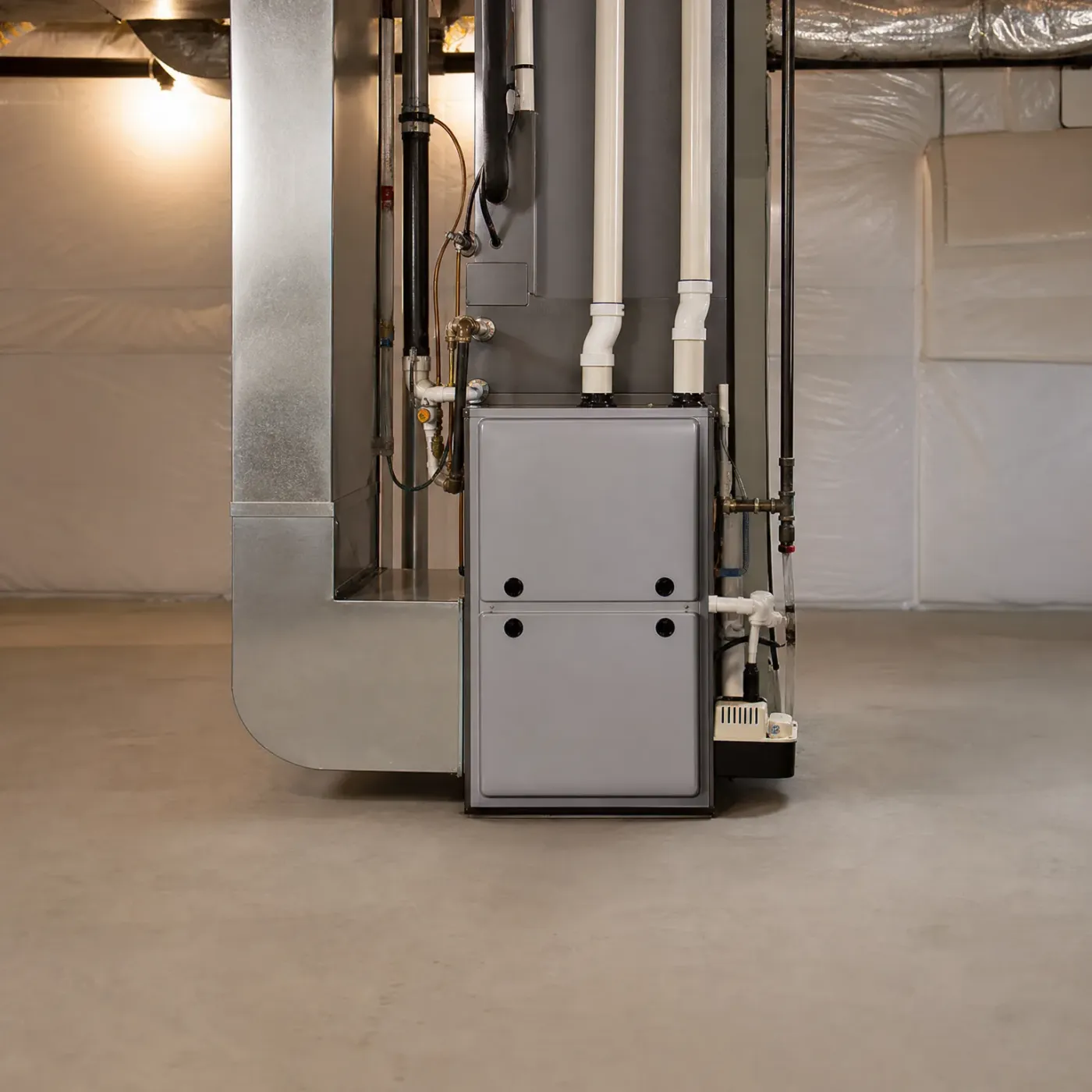
Running the way it should
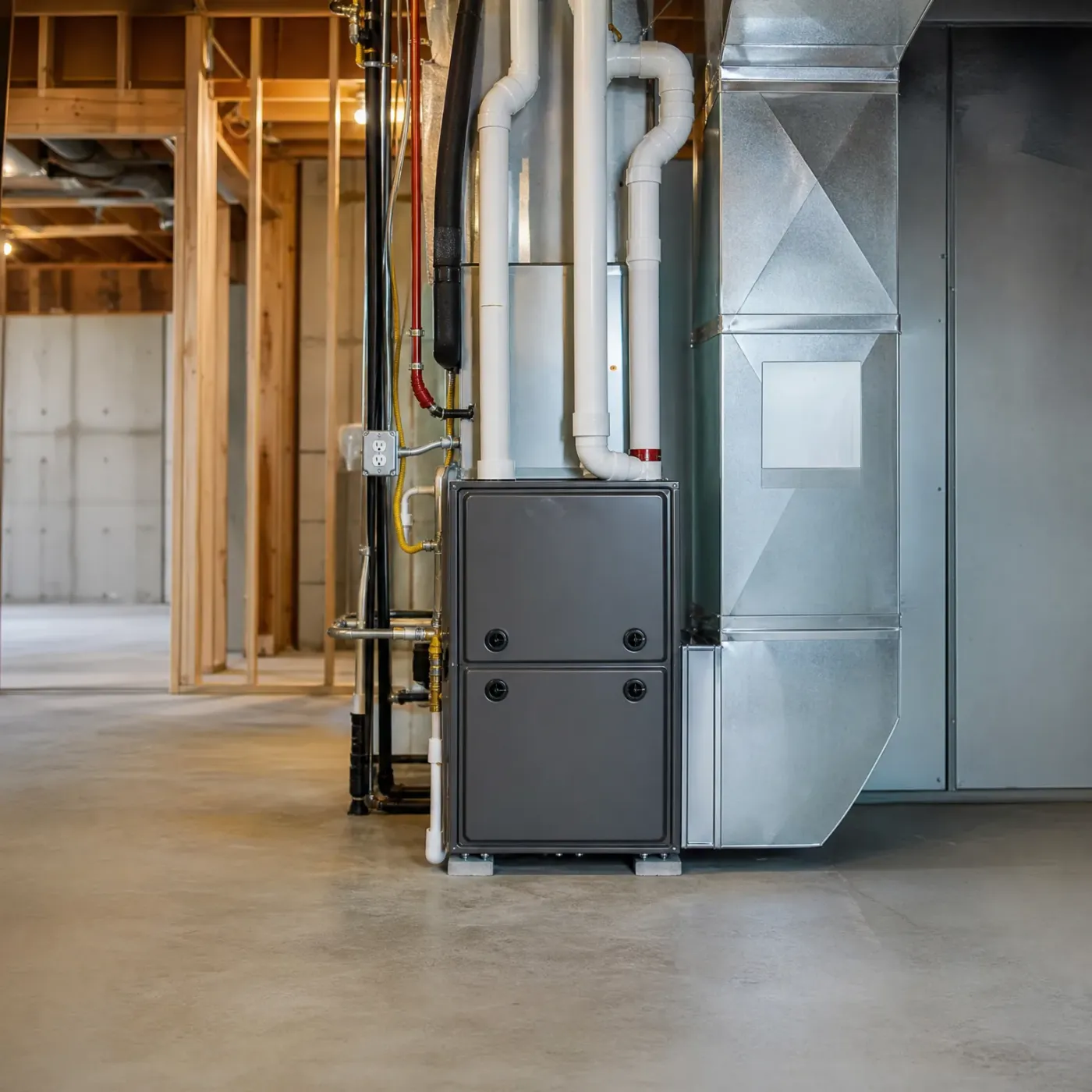
The flame burns blue and steady behind the burner, and the furnace finishes its cycle without shutting off early. Ductwork and gas lines run clean to the cabinet, nothing rattling, nothing scorched. A furnace set up like this is built to get through a Pennsylvania winter without drama.
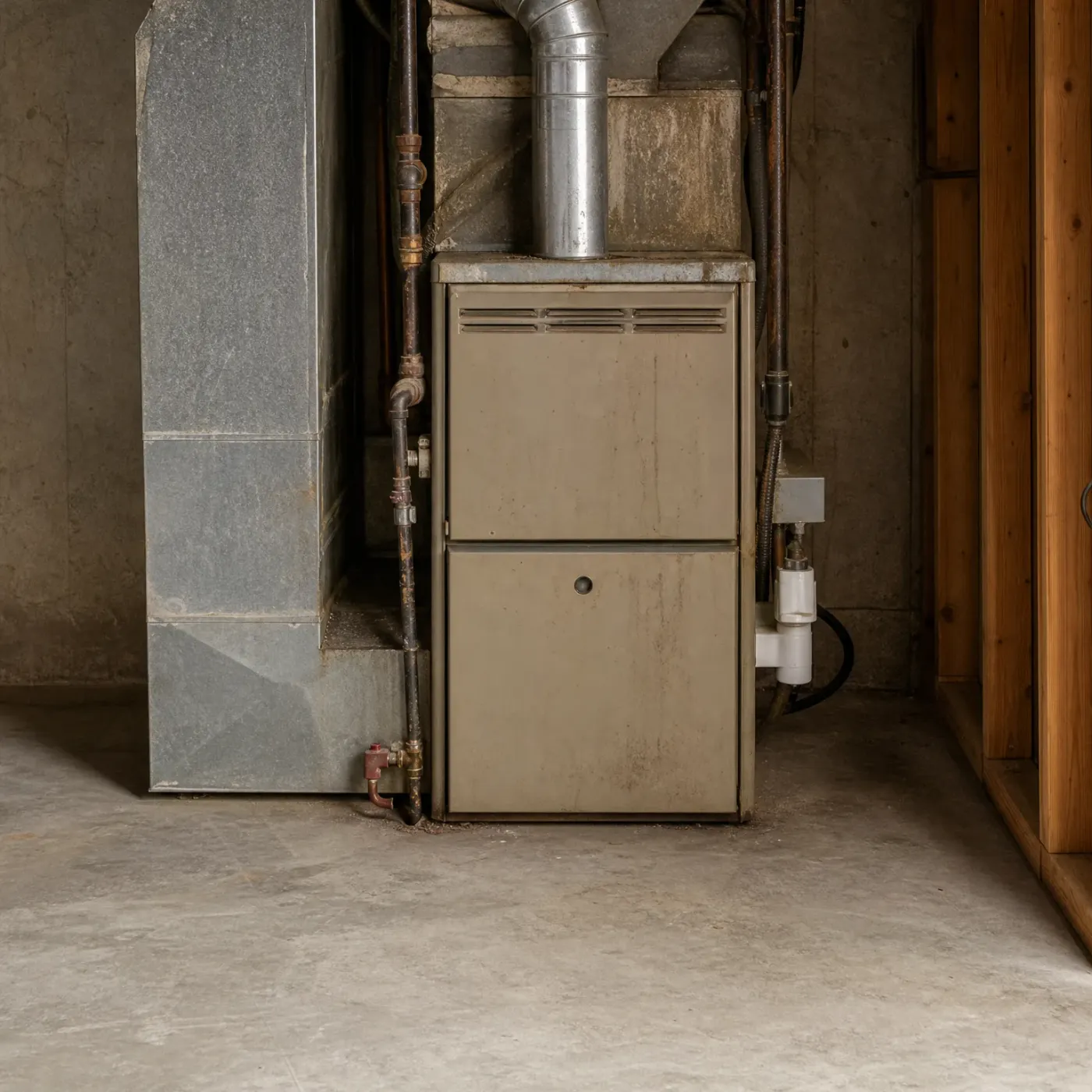
Working harder than it should
Rust on the cabinet, a flue pipe that looks strained, lines and ducts crowded into a tight corner of the basement. A furnace in this shape is more likely to short cycle or lose its flame color when the cold really sets in, and January is a bad time to find out which.
What's your furnace doing that's worrying you
You might be hearing the burner kick on and off more than it used to, or noticing it never quite gets the back bedroom warm. Maybe the flame looks more orange than blue when you check it. Maybe the thermostat says 68 and the room feels closer to 62. None of that is nothing. A furnace running harder to hold the same temperature is burning more gas to do it, and that shows up on next month's bill. If the real problem is a cracked heat exchanger or a clogged burner, it won't fix itself with a warmer stretch of weather. It gets asked to do the same job again the next cold night, and the next.
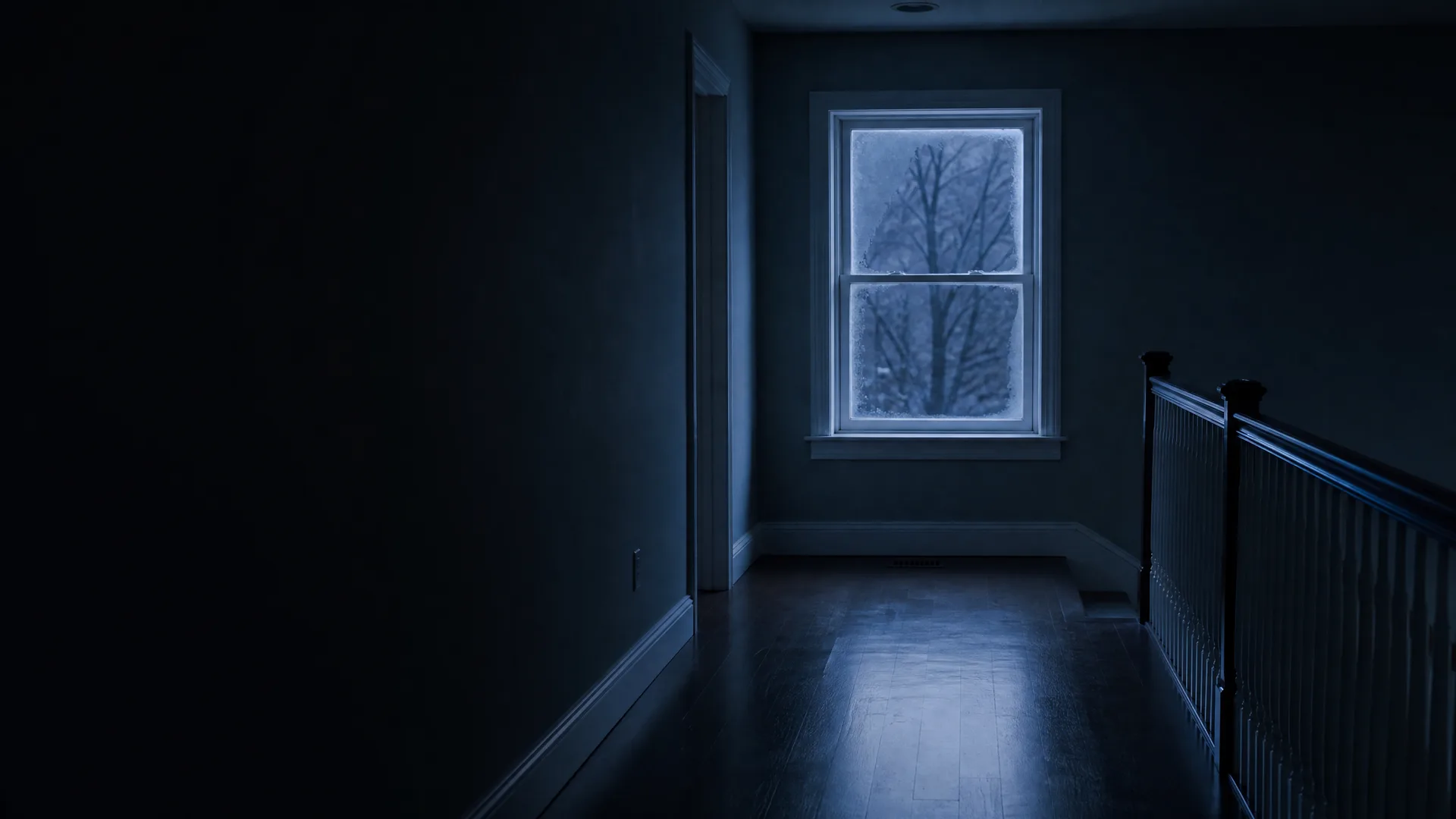
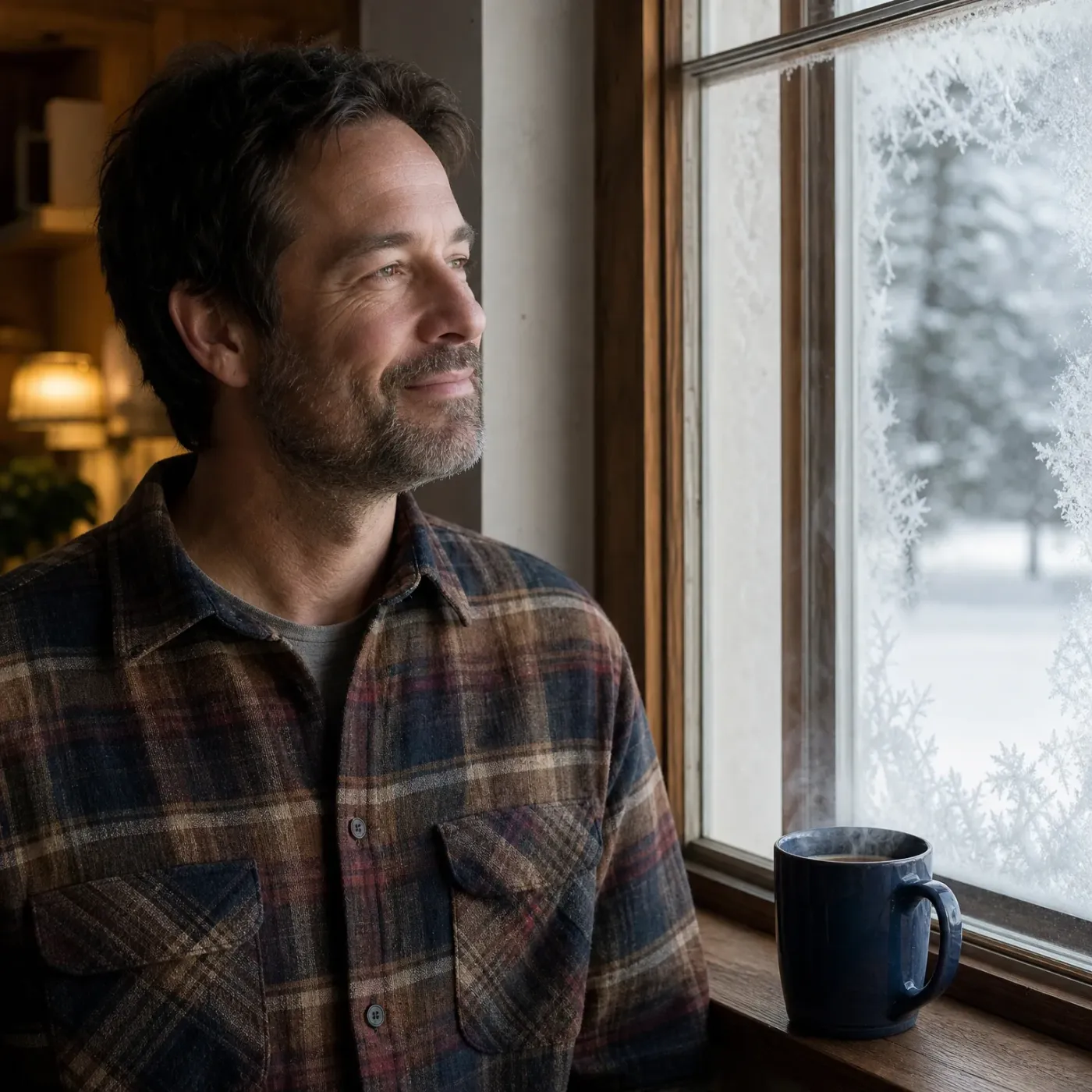
You're awake before you know why. The house is quiet in the way it shouldn't be at 2 a.m. in January, no hum from the vents, no rush of air. You go out to the hallway and stand over the floor vent in your socks, waiting to feel something. Nothing comes. The window at the end of the hall has frost climbing the inside of the glass, and the light coming through it is thin and blue. You can see your breath if you stand there long enough. Downstairs the furnace sits off, however long it's been off, while outside the temperature keeps dropping toward morning.
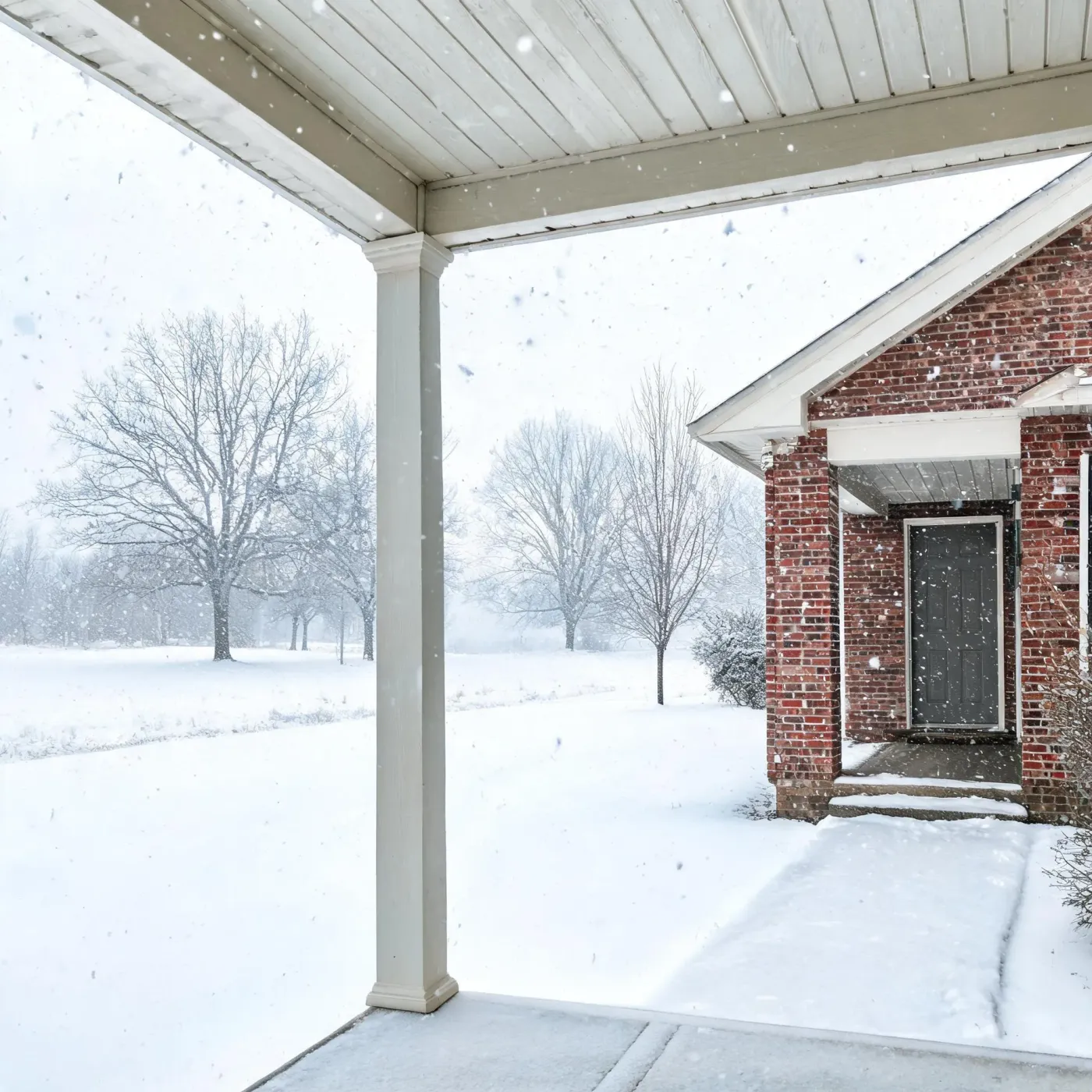
Winter nights average 23°F statewide
Those 23°F nights don't let up once your furnace starts slipping. A unit that's short cycling or running a weak flame has to fight that cold most of the night, every night, straight through February. It won't catch a break to recover.
NOAA nClimDiv 1991-2020 county normals weighted by homes
The setup that's built for a hard winter
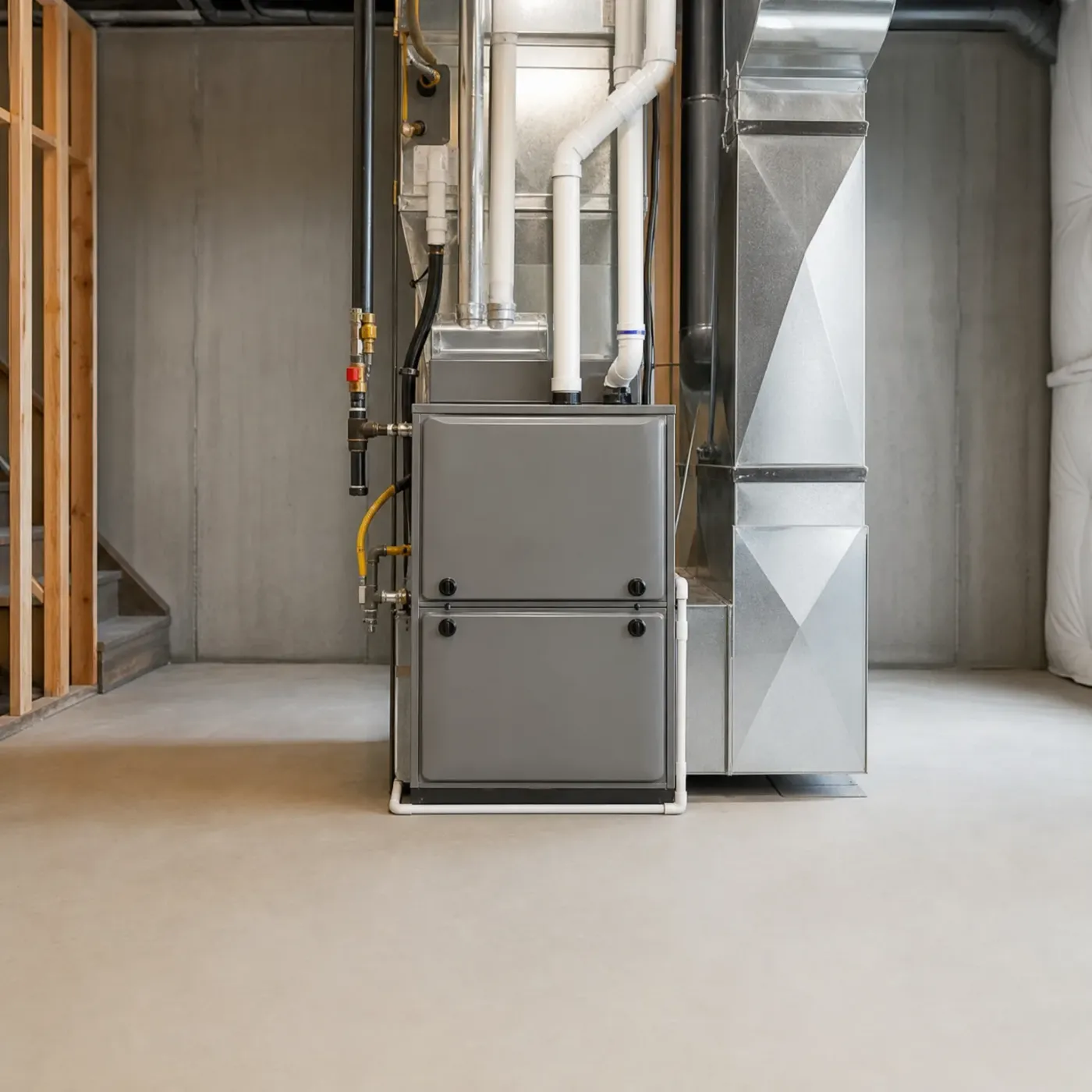
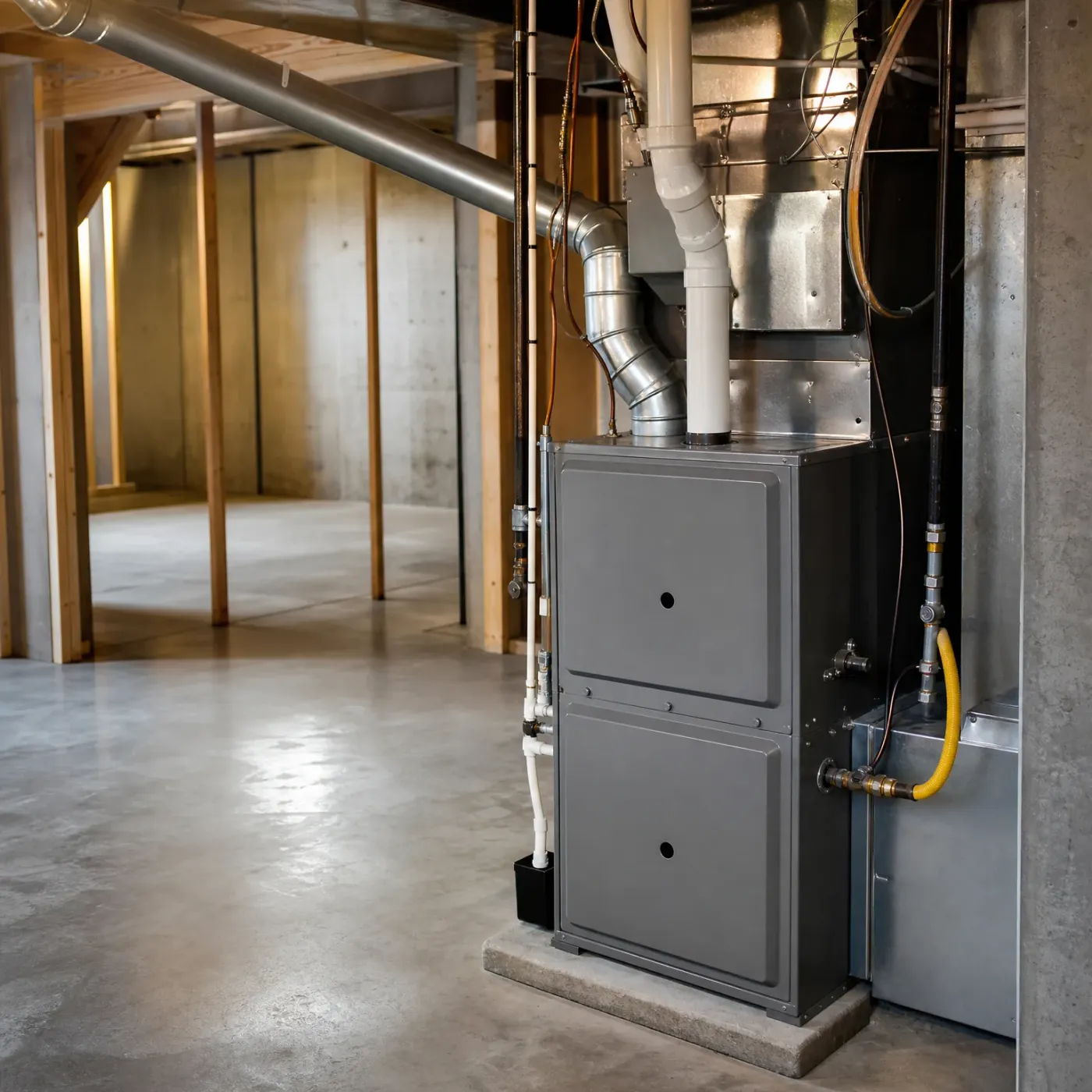
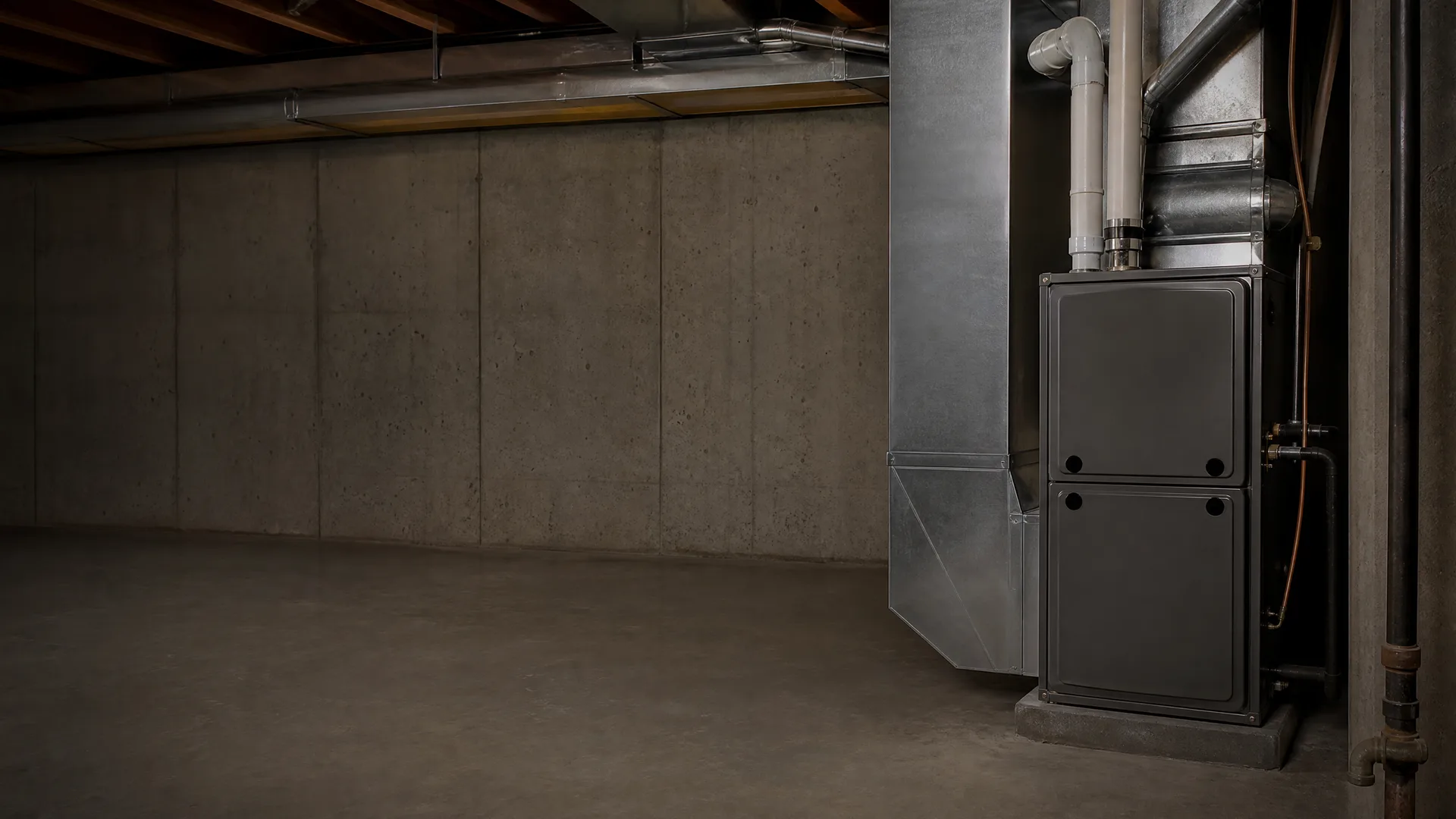
This is a high-efficiency furnace, so the PVC drain lines and condensate pump handle what the old flue used to. The sheet-metal ducts and flex runs are tight and secure. A furnace vented and piped like this is set up to run full cycles without strain, night after night at 23°F.
The setup that's starting to show it
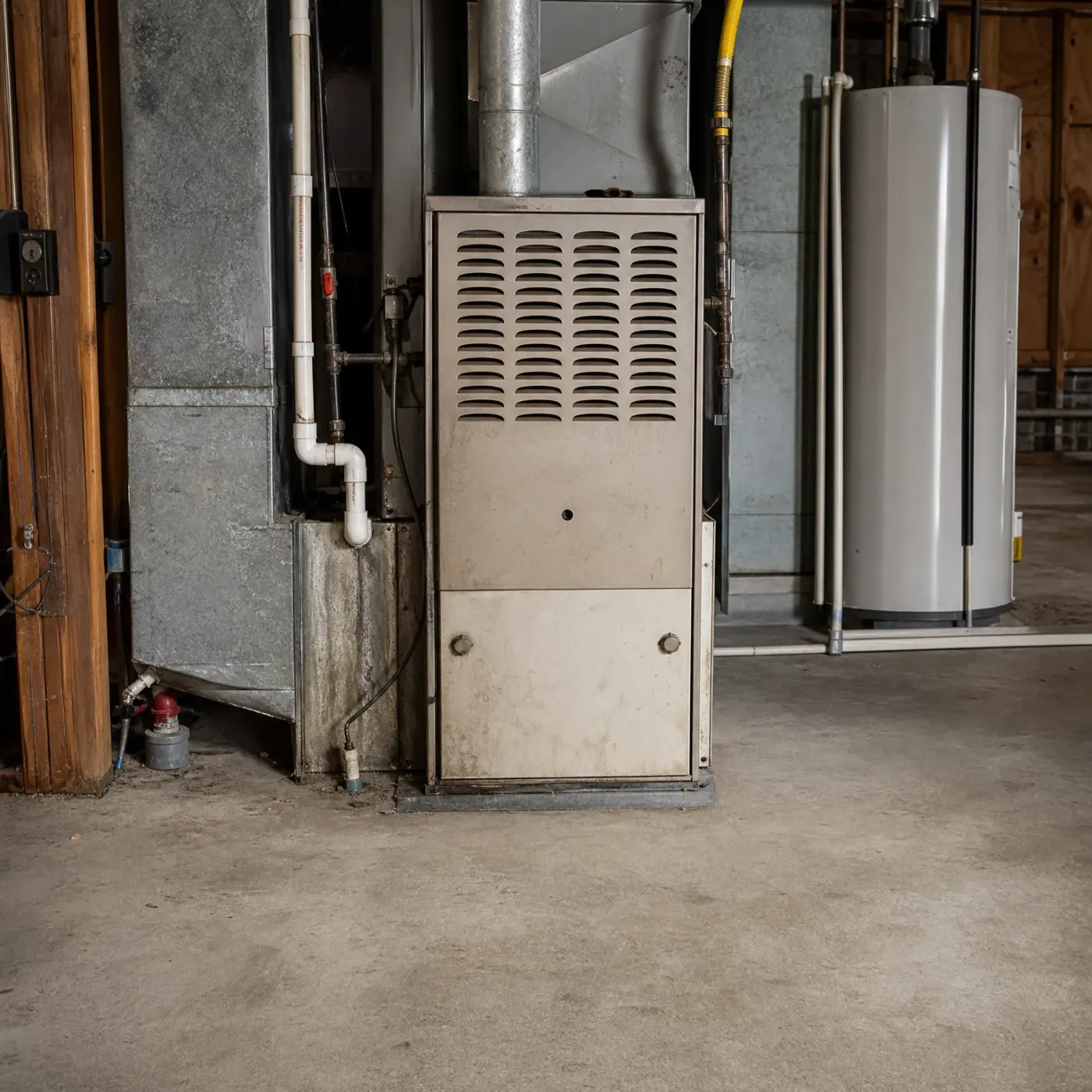
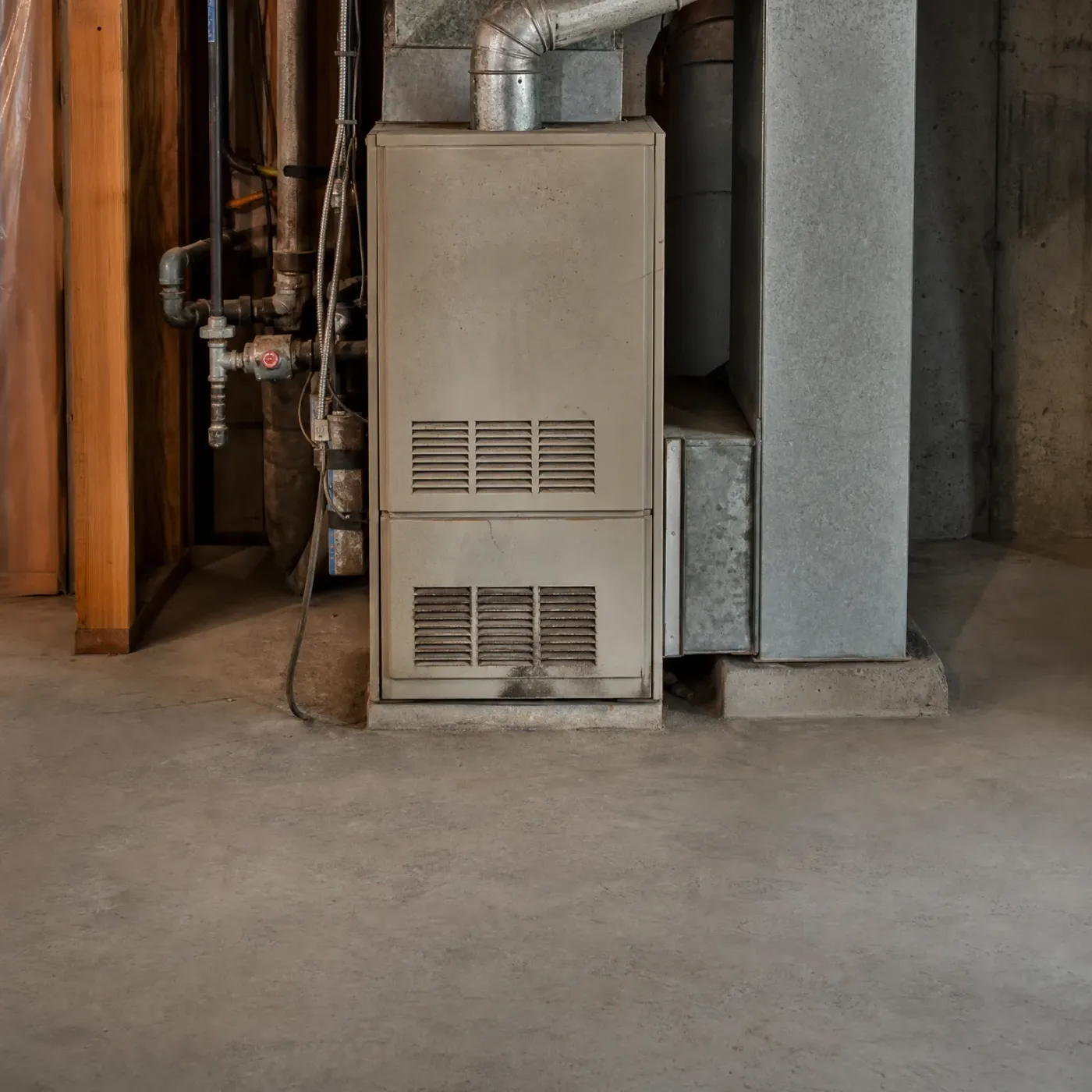
Black iron and copper gas pipe, a round metal flue running to a stone chimney. That's an older furnace, and the light grime on the cabinet and panels tells you it's been working a while. None of that means failure by itself, but it's worth a closer look before the cold settles in for good.
A furnace that's already short cycling or burning a weak flame doesn't get much recovery time here. Winter nights average 23°F statewide, and that cold settles in for hours, not minutes. Each time the burner fires and quits early, the house loses ground it has to make up before morning. You'll notice it as a chill that sets into one room and stays, or a furnace that seems to run almost constantly without the house ever feeling caught up. A furnace in good shape shrugs off a night like that. One that's already struggling spends the whole night behind.
NOAA nClimDiv 1991-2020 county normals weighted by homes
What this comes down to
A furnace that's going to make it through this winter runs full cycles, holds a steady blue flame, and keeps a gas bill that matches the weather. One that isn't going to make it has already started telling you, through a flame that's turned orange, a back bedroom that won't warm up, short cycles that never quite finish. You don't need to wait for the night it stops running to believe what it's been showing you.
If what you've read here matches what's happening in your house, the next step isn't figuring out which contractor to call or whether the problem is worth a service visit. Send in what you're seeing and a contractor who works on furnaces like yours will get in touch. That part stops being something you have to manage.
Get your furnace to the right pro
After you send the request, you're done searching.