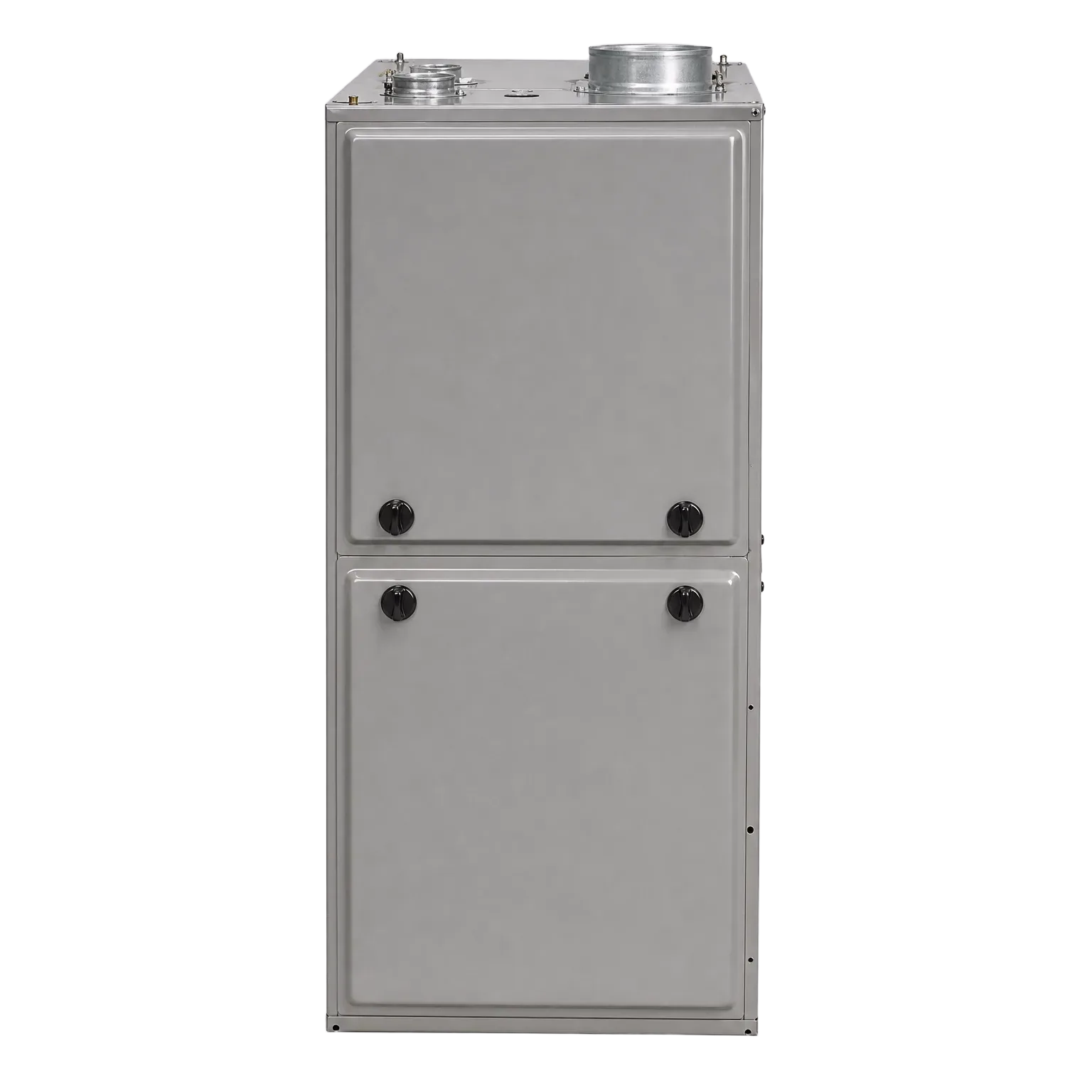
Tune-up now
An hour or so of checks while the furnace is still running on mild days. If something's off, there's time to get parts ordered before you need the heat every day.
 Request a pro
A local pro who services furnaces gets in touch about the tune-up.
A gas furnace that sat quiet since spring doesn't always start the winter the way it left off. Before the cold settles in for good, a tune-up checks the things that cause trouble once the furnace is running for hours every day instead of a few minutes here and there.
That means the igniter gets checked, because a weak one lights late or not at all. The flame sensor gets cleaned, since a dirty one shuts the furnace down even when nothing else is wrong. The burners get looked at for uneven flame, and the heat exchanger gets inspected, since a cracked one can let exhaust mix with the air moving through your house. The blower and the filter get checked too, because a dirty filter makes the blower work harder and pushes your electric bill up at a time when power here already costs more than most places.
Pennsylvania winters don't give a failing furnace much room. A problem that shows up in January doesn't wait for a convenient day to get fixed. Finding that out in October, while the weather is still mild, means there's time to deal with it before it matters.
This page doesn't do the work. It connects you with a licensed contractor near you who handles furnace maintenance, one who knows what Pennsylvania winters ask of a furnace and checks for it. Once you send the form, the job of finding someone is off your plate. The contractor who takes your request will reach out to you directly, with your address and your system already in hand, not a stranger's guess at what you need.
Fill out the form below and let a contractor who knows this work take it from here.
You want to know if a tune-up is worth scheduling or just a sales pitch for a service you don't need. Your furnace has sat unused since spring, and once it's running every day through a Pennsylvania winter, you'd rather find out now what gets checked than find out later what got missed.
A technician checks the igniter or pilot assembly, the flame sensor, the heat exchanger, and the blower motor, along with gas pressure and the connections that carry gas and exhaust. These are the parts that get tested hard once a furnace switches from running a few minutes a cycle to running for hours straight through a Pennsylvania winter. A cracked heat exchanger or a dirty flame sensor might not show up in October, but it will in January when the furnace is working nonstop. With gas heating common here and electricity costing what it does, a furnace that's running clean and efficient matters more once the real cold sets in and stays.
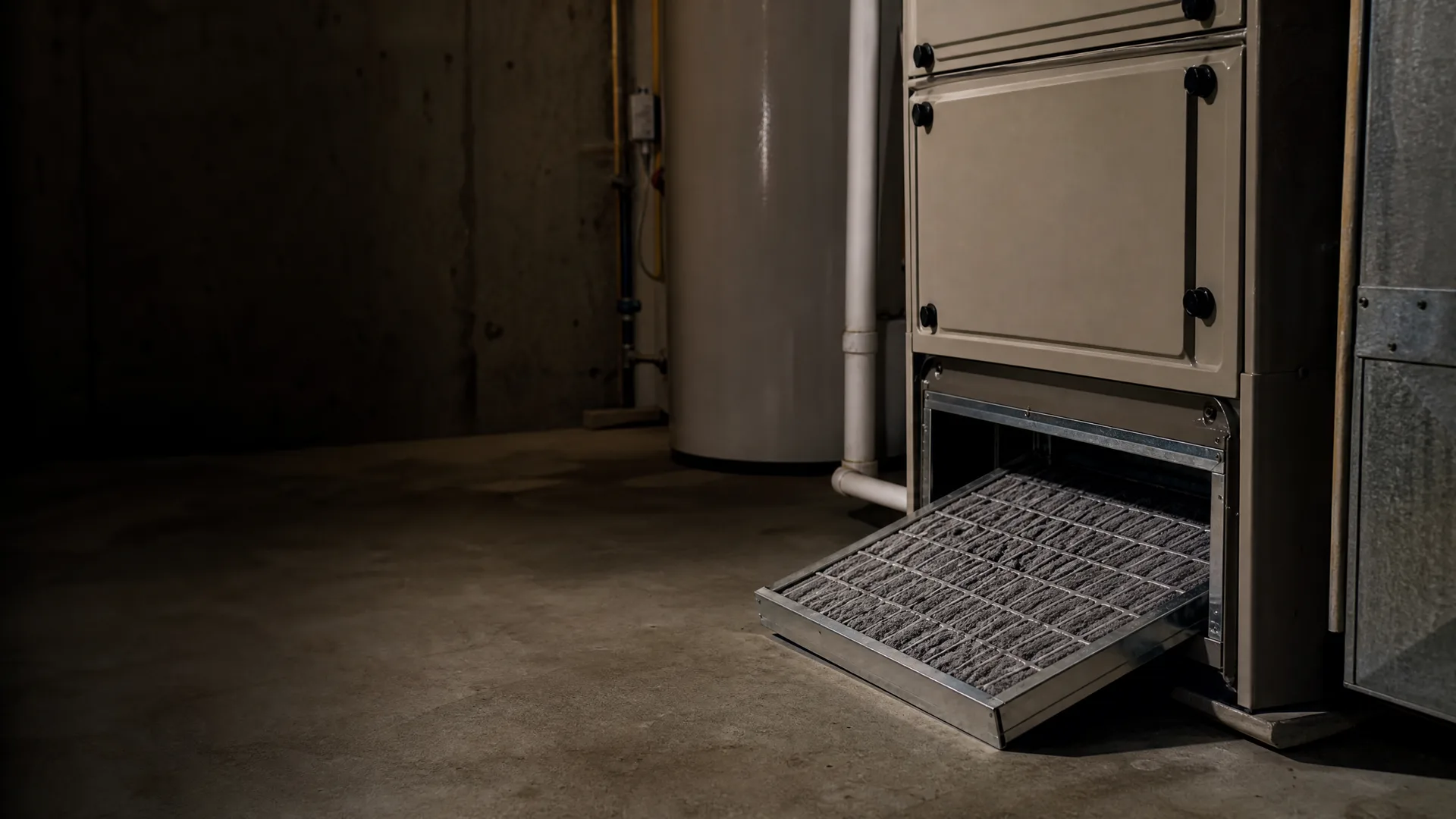
You're down in the basement on a Saturday afternoon, the light through the small window already going thin and gray the way it does in October. You pull the filter to check it before the cold really sets in, and it slides out heavier than you expect, gray with a summer's worth of dust packed into it. You hold it up to the bulb overhead and can barely see light through the pleats. It's been sitting like this since the AC ran last, and the furnace hasn't had to work yet. You set it on top of the cabinet, meaning to grab a new one, and stand there looking at the furnace a minute longer than you planned to.
After you send the request, you're done searching.
You only hire the pro if you want to.
A furnace that short-cycles, turning off before it finishes a full heating run, wears out its own parts faster and leaves rooms colder than the thermostat says they should be.
A tune-up checks the flame sensor, the airflow, and the pressure switch, the three things most likely to cause that short-cycling once the furnace is running for hours instead of minutes.

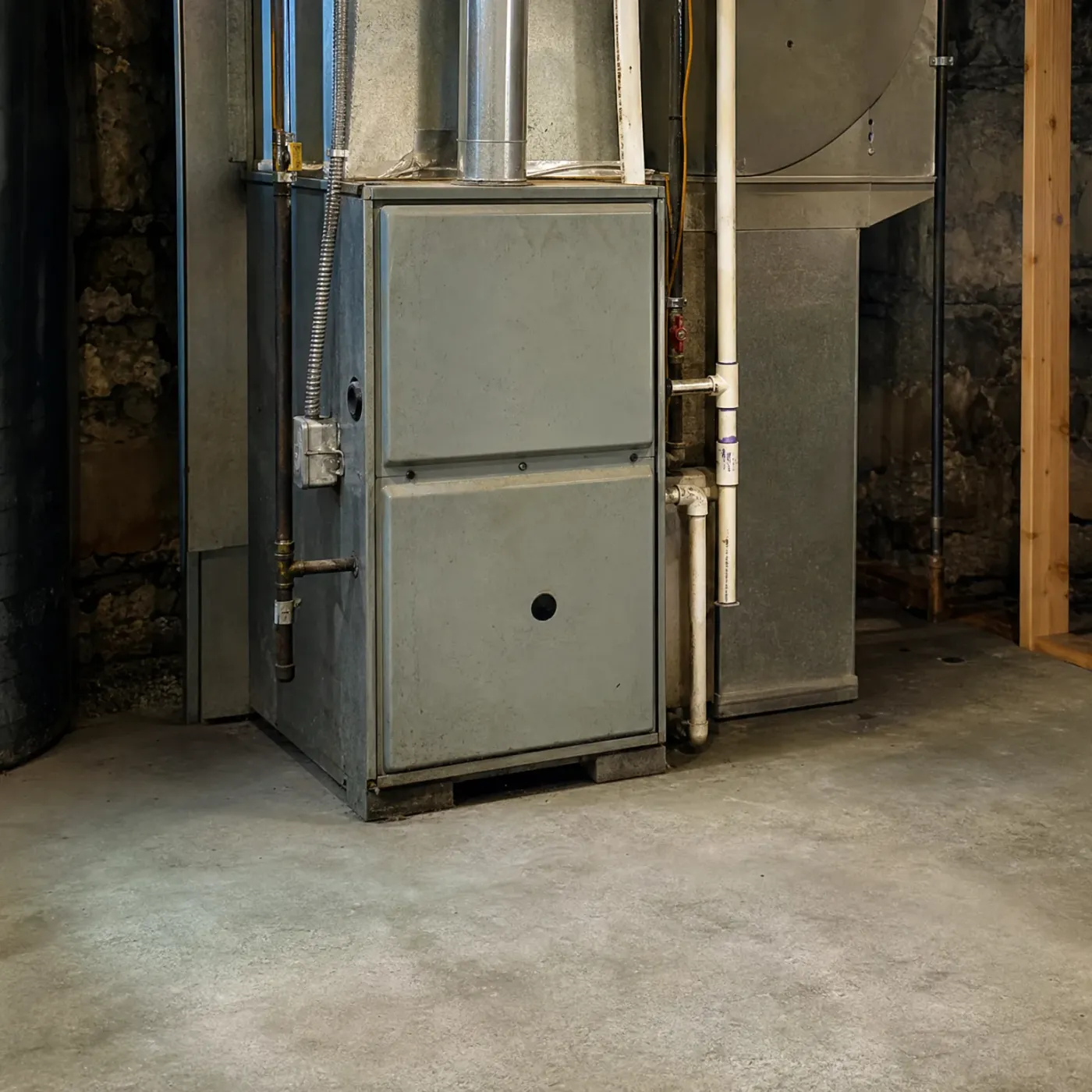
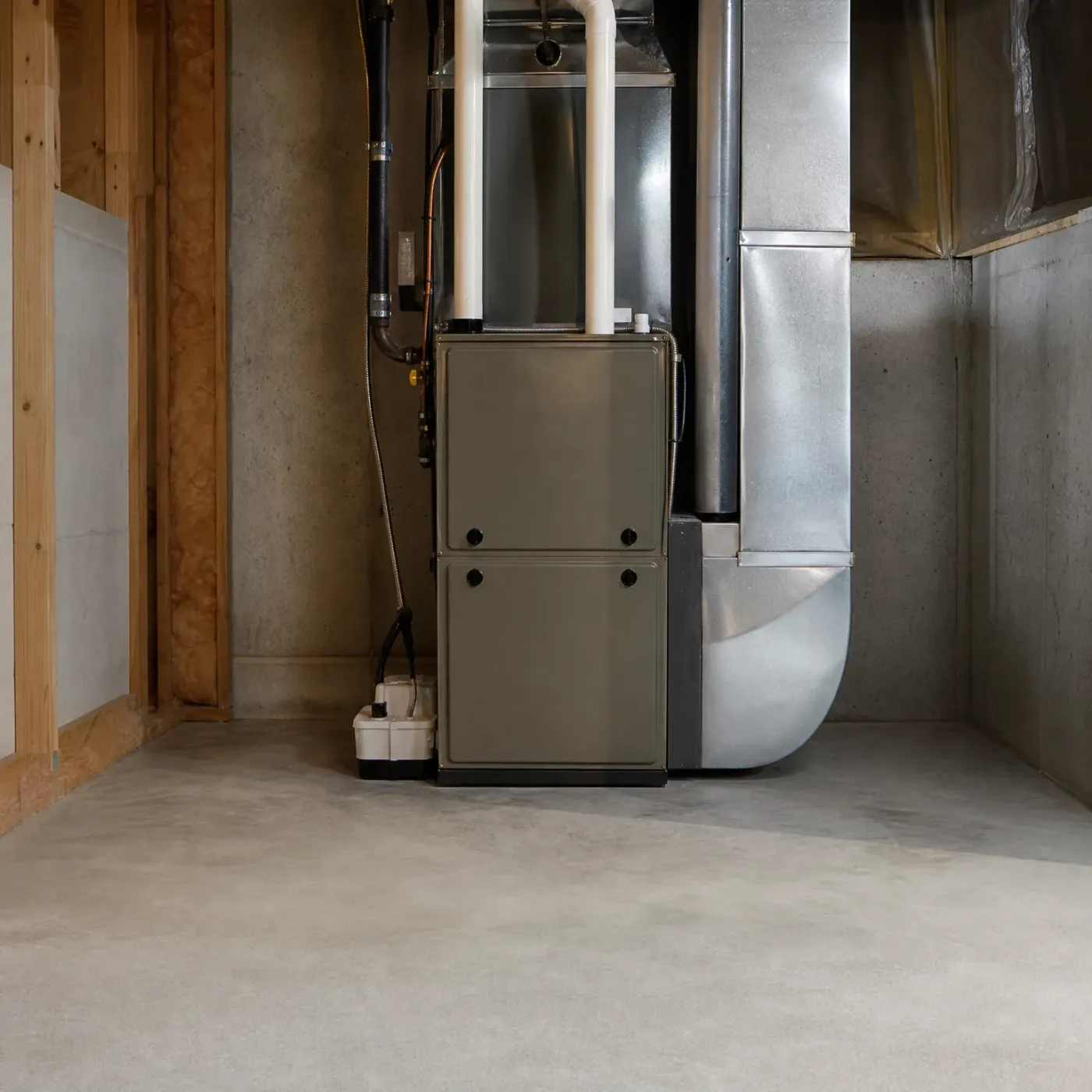
A technician opens the furnace up and looks at the heat exchanger first, because a crack there can push flue gas into the air your ducts carry through the house. The igniter gets tested with the furnace running, not just looked at, since the only way to know if it's weak is to watch it light. Gas pressure at the manifold gets checked against what your furnace is rated for. Too high and the burners run hotter than they should. Too low and they struggle to heat the house at all. The blower wheel gets pulled and cleaned if it needs it, because a dirty one moves less air, and the furnace makes up for that by running longer. Electrical connections get tightened, since a loose one only gets looser once the furnace is cycling for hours a day instead of minutes. Last, the vent and flue get checked to make sure exhaust gas has a clear path outside. These are the things that sitting unused since spring tends to loosen, dirty, or throw out of adjustment.


An hour or so of checks while the furnace is still running on mild days. If something's off, there's time to get parts ordered before you need the heat every day.
Nothing happens until the furnace doesn't fire, usually on a cold morning when you need it most. By then you're waiting on a repair instead of a scheduled visit.
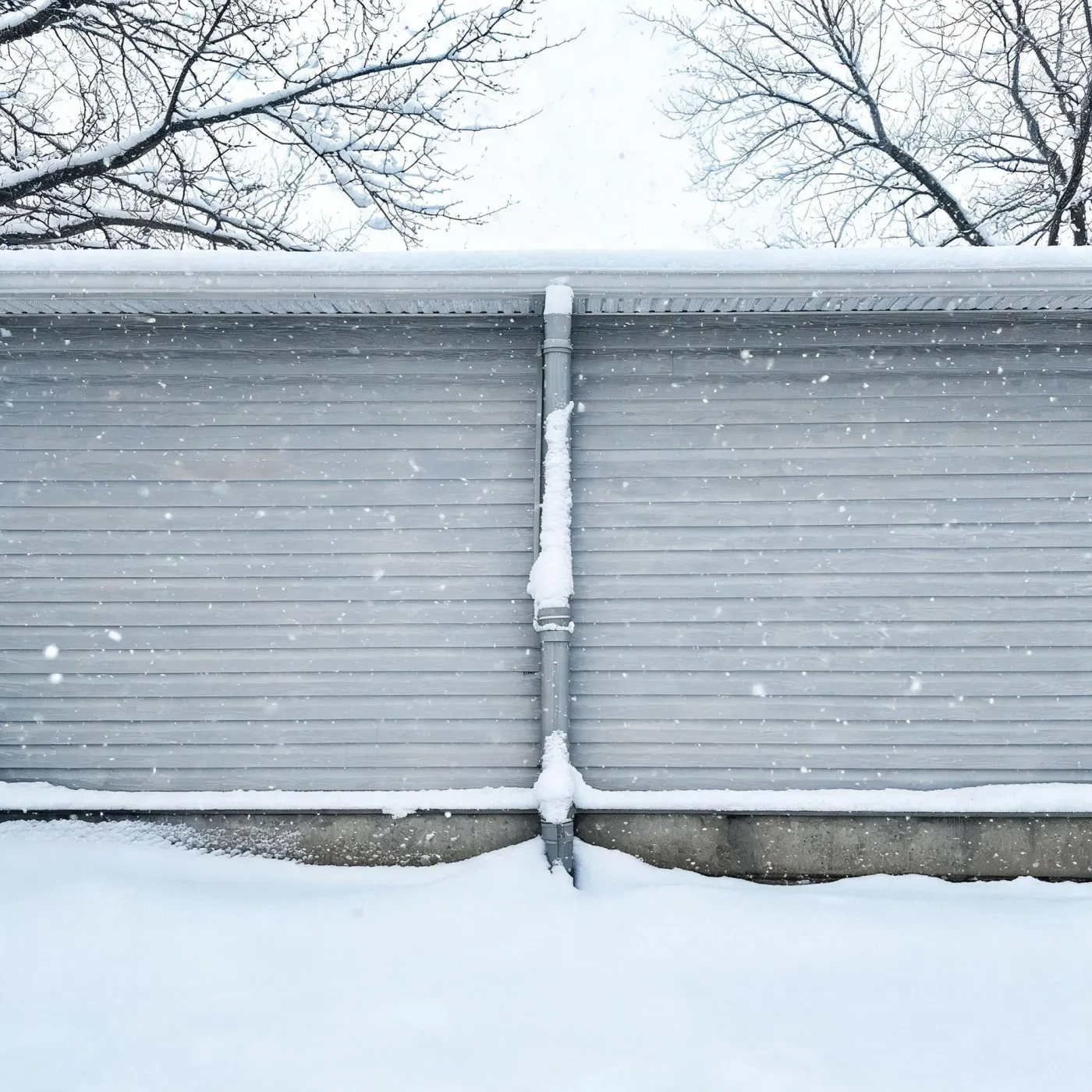
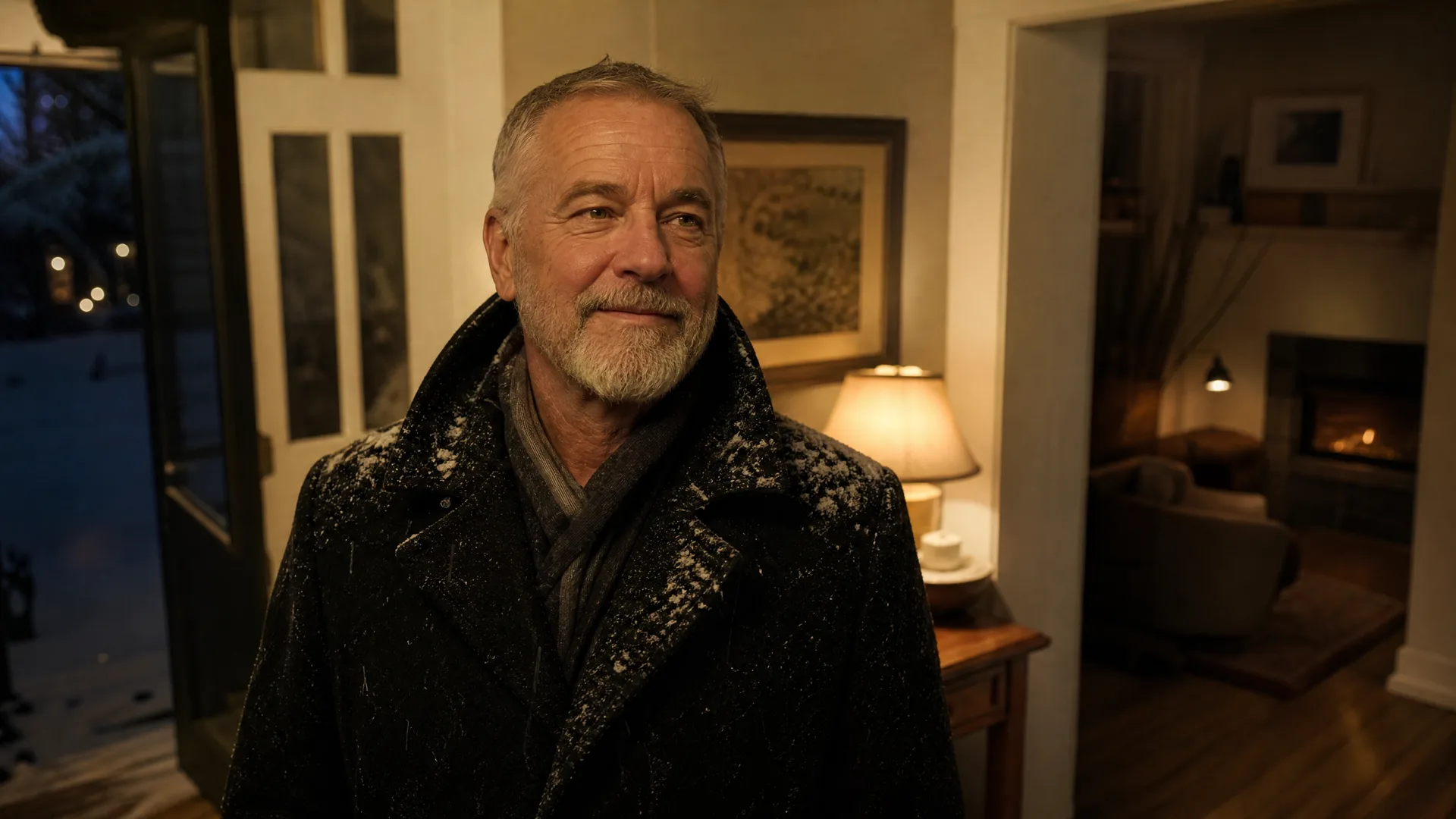
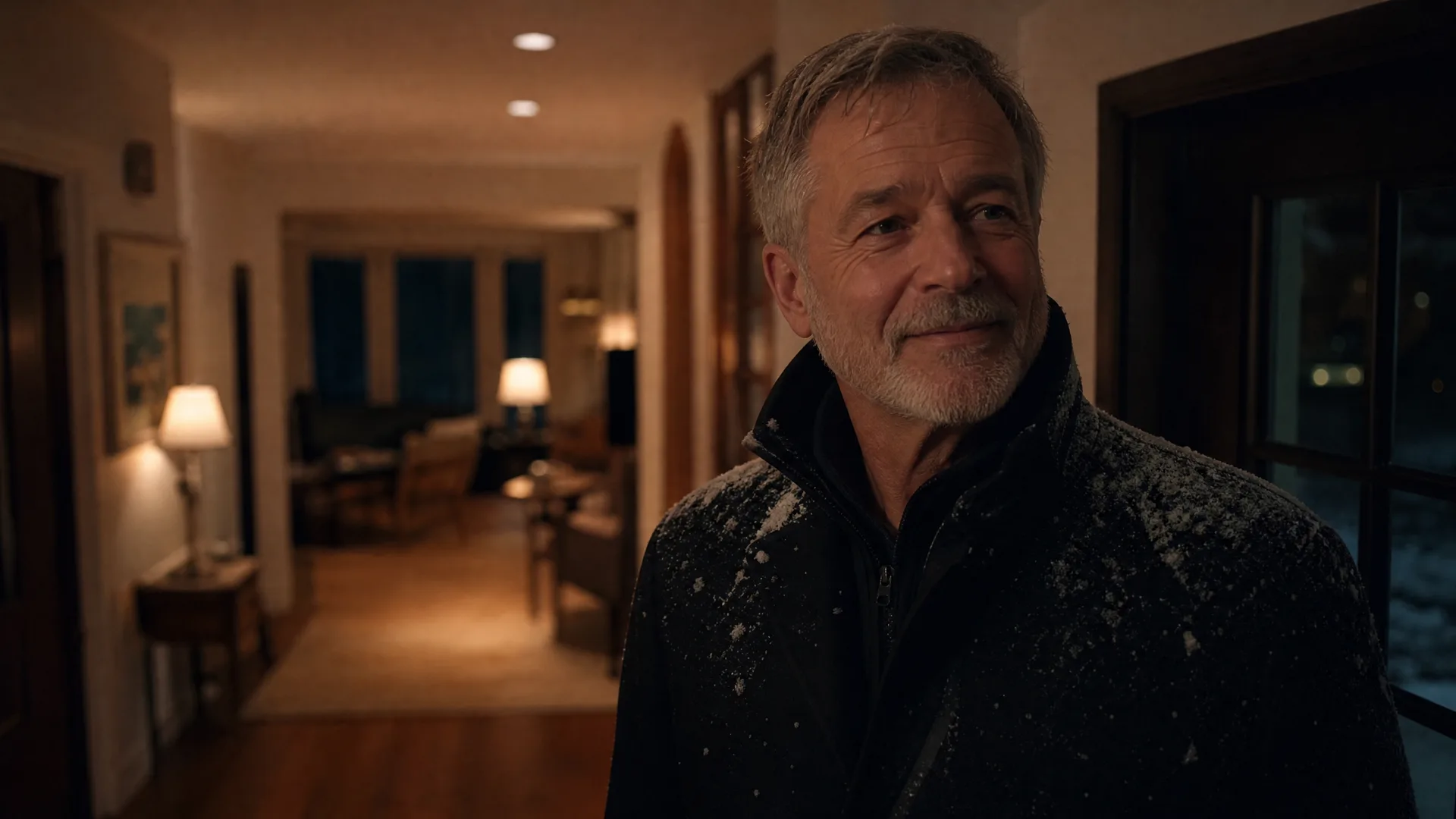
Statewide, winter nights average 23°F. That's the stretch where your furnace isn't cycling on and off anymore, it's running long stretches just to hold the house steady. A weak igniter or a dirty flame sensor that got by all last winter has a harder time keeping up when it's running that much. You'd notice it as rooms that take longer to warm, or a furnace that seems to run almost constantly without the house feeling any warmer for it. A tune-up before that cold sets in catches the small stuff while the furnace still has easy nights to work with. Source: NOAA climate normals.
NOAA nClimDiv 1991-2020 county normals weighted by homes
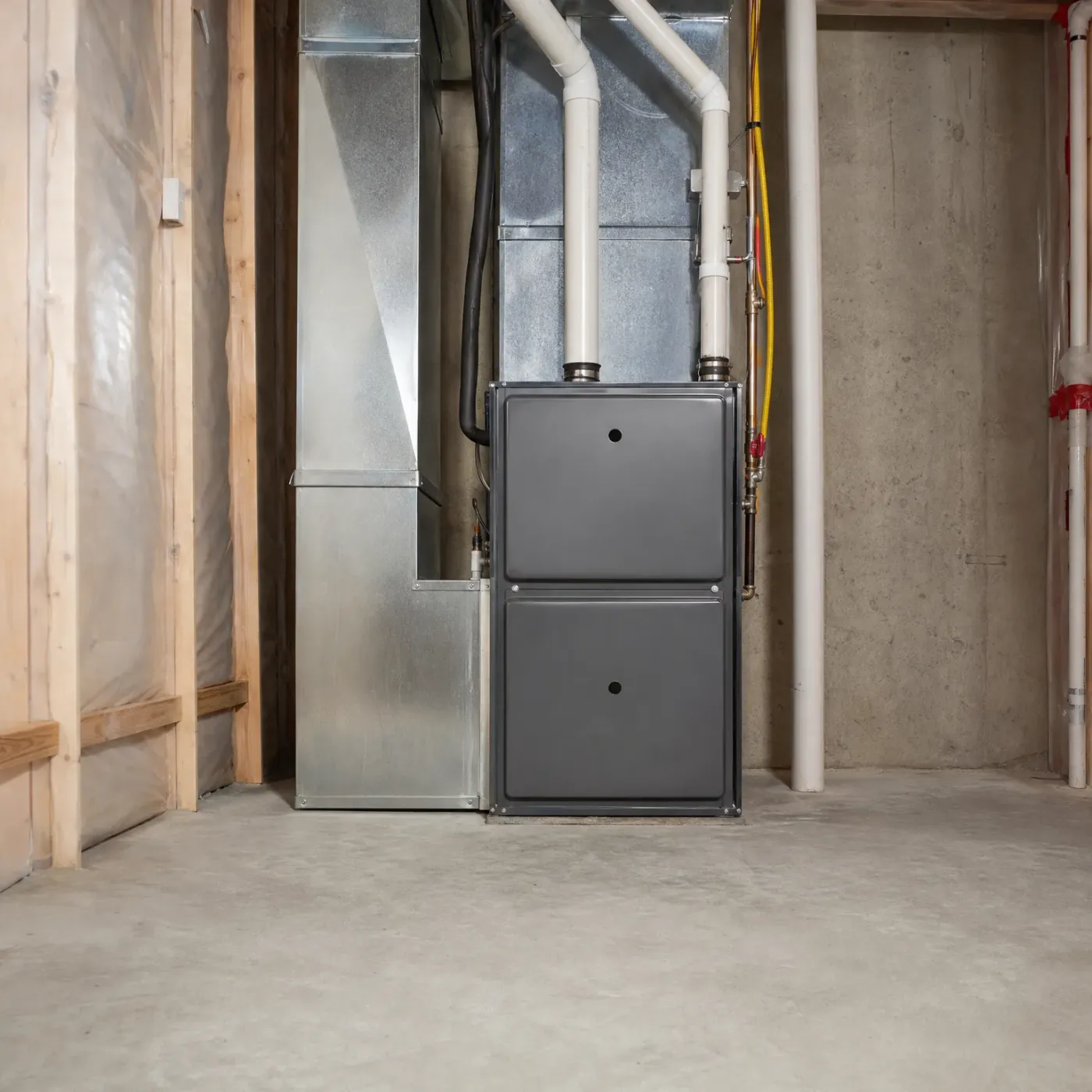
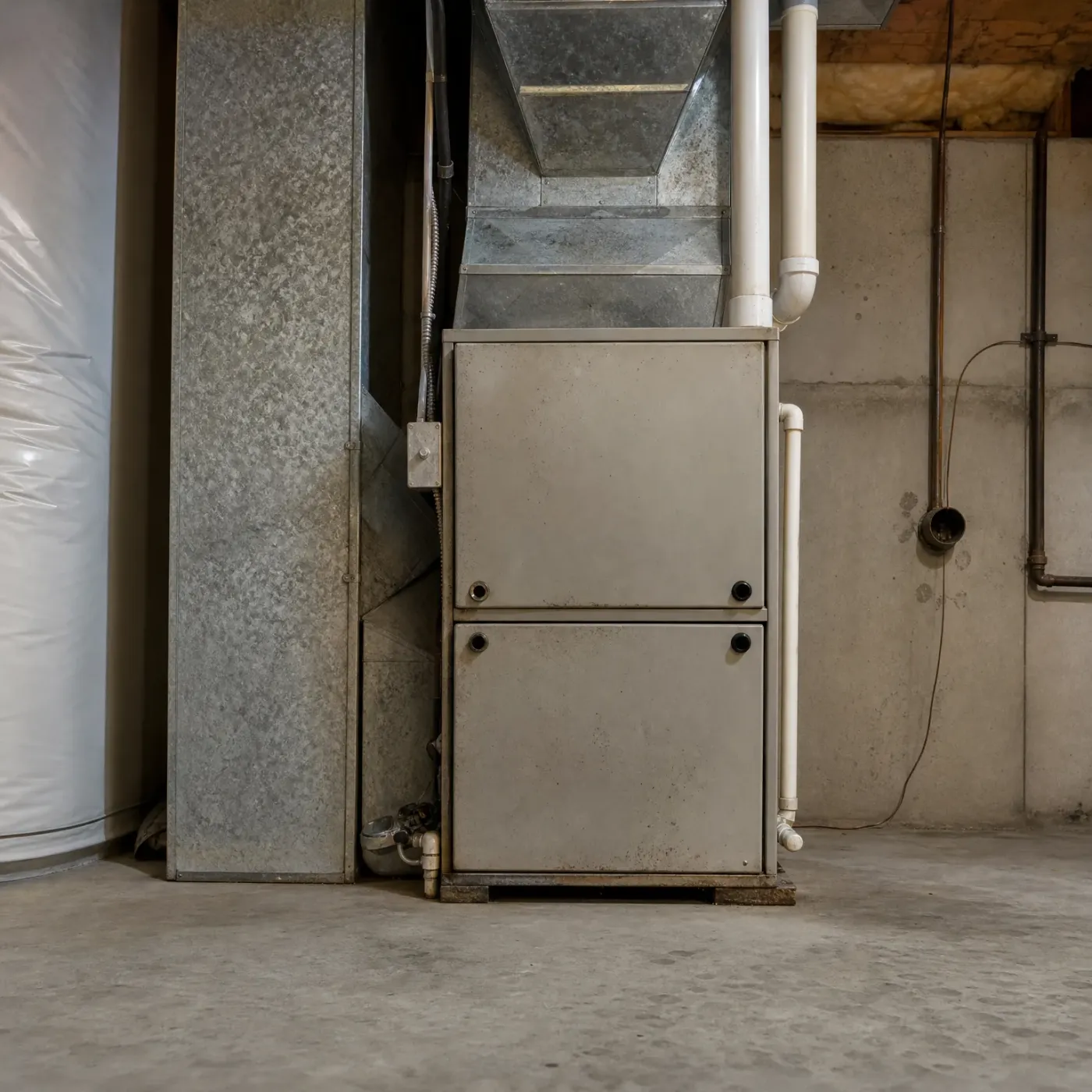
At 23°F, your furnace stops cycling and starts running in long stretches to keep the house even. That's when a strained part finally gives out instead of limping along. A tune-up now catches it while the furnace still has easy nights ahead.
NOAA nClimDiv 1991-2020 county normals weighted by homes
A tune-up before winter checks the parts that only show strain once your furnace is running for hours at a time: the igniter, the flame sensor, the pressure switch, the heat exchanger, the gas pressure. Catching a weak part in October costs you an afternoon. Catching it in January costs you a cold house and a scramble to find someone who can come out fast. You don't have to spend your evening calling around for a contractor who's free this week. Once you send the request, that search is off your plate. Someone who services furnaces in your area gets in touch, and you go back to the rest of your day knowing it's handled. Your furnace doesn't need to be failing for this to matter. It just needs to be the one thing standing between your family and a Pennsylvania winter. Get it looked at while there's still time to fix what's found, not after the first hard freeze tells you something was wrong.
Get your furnace to the right pro