

What temperature to set the heat in a Pennsylvania winter
Send the form, and lining up the furnace tune-up stops being yours to chase.
Let a pro reach outWhat temperature should I set my thermostat in winter in PA?
Pennsylvania winters run long, and a gas furnace that cycles on and off from November into March adds up fast on a bill already stretched by expensive power. You want a number that keeps the house comfortable without running the furnace harder than it needs to, especially overnight or while you're out during the day.
68 degrees while you're home, lower while you're asleep or out
68 is the standard setting for a Pennsylvania winter, with most homeowners dropping it to 60 to 63 overnight or when nobody's home for several hours. Each degree lower cuts what the furnace spends keeping the house warm, because it spends less time running against the gap between inside and outside temperature. A Pennsylvania winter puts a lot of hours on that gap, with real cold from December through February and chilly mornings well into April. A furnace that's maintained holds that setting steadily. One that isn't will run longer to make up the difference, especially on the coldest nights, which is when a weak part is most likely to leave you without heat.




Why does one room never feel right
You set the thermostat and the hallway feels fine, but the room over the garage stays cold, or the furnace runs longer than it used to for the same setting. Maybe it kicks on and off more through the night, or the air coming out of the vents feels cooler than it should. These are signs the system is working harder to hold the number you picked. Left alone, that extra run time shows up on the gas bill before it shows up as a breakdown, and a furnace that short-cycles all winter wears out its parts faster than one that runs the way it was built to.
Why the setback matters less than you think
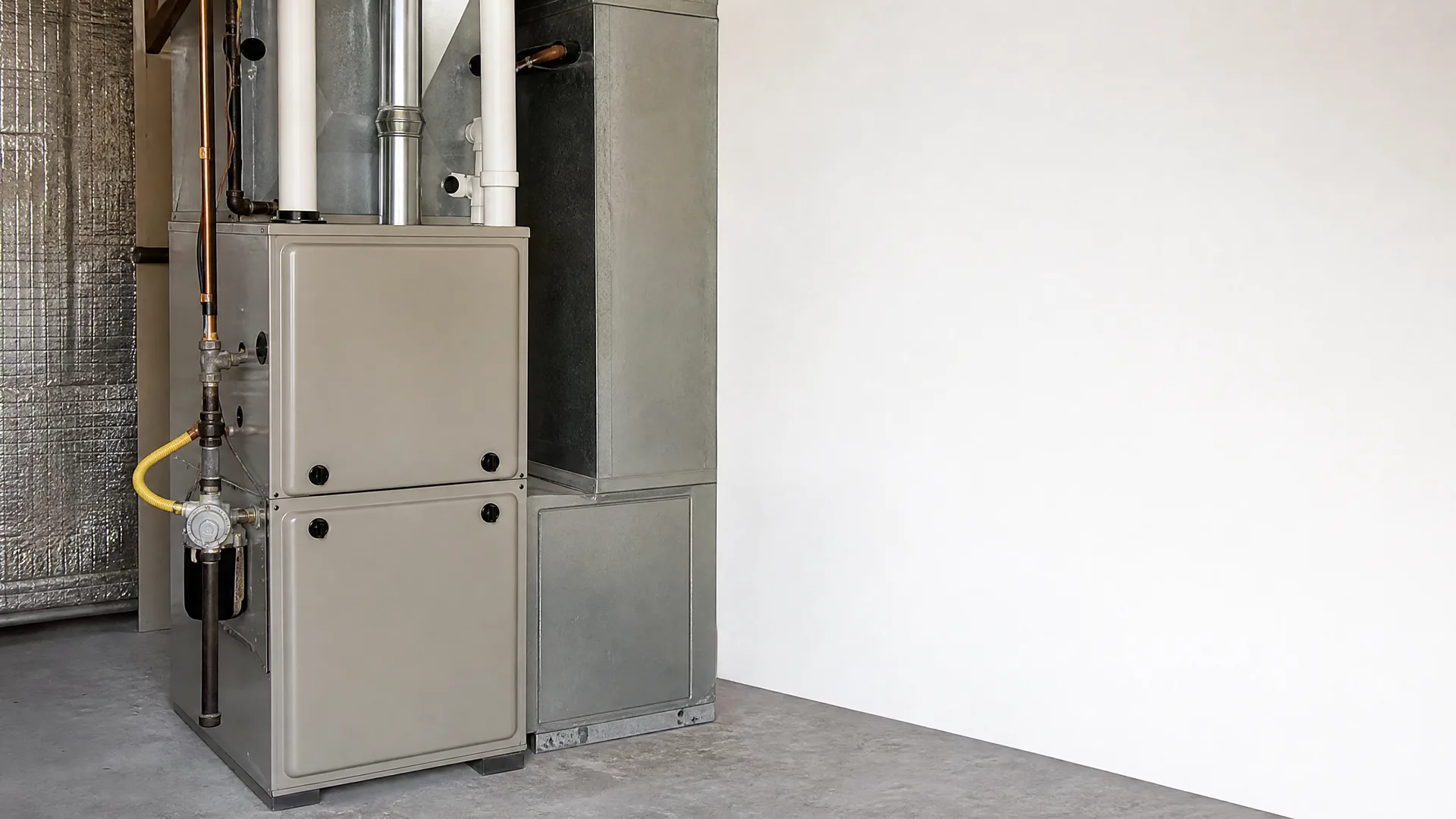
Dropping the thermostat a few degrees overnight saves something, but a furnace has to work harder to recover that heat in the morning, and in a Pennsylvania cold snap that recovery can take longer than people expect. A deep setback isn't free. A smaller, steady setback through the night tends to hold up better than swinging the temperature wide, especially once outdoor temperatures sit well below freezing for days at a stretch.
What the thermostat can't see
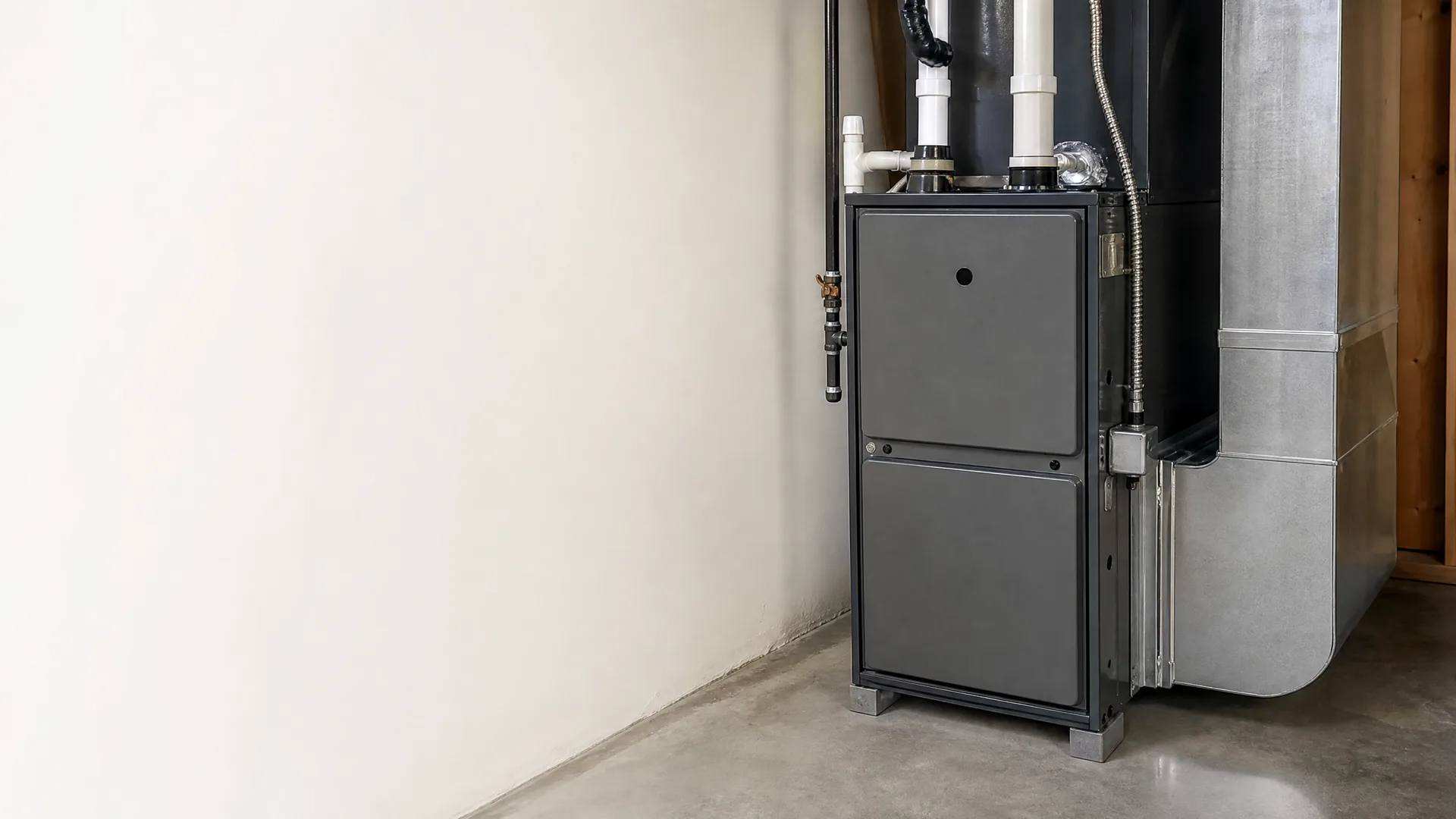
A thermostat reads the air near where it hangs, usually a hallway, and has no idea the room over the garage or the far bedroom runs colder. It calls for heat based on one spot in the house. If the furnace is cycling on and off more than it used to at the same setting, that's worth a look during a maintenance visit, since it often points to something other than the number on the dial.
Steady Setting or Nightly Setback
Hold one number
- The furnace cycles on and off around a single setpoint, so it never has to recover a room full of cold air.
- Rooms that run cold, like one over a garage or at the end of a long duct run, stay closer to the rest of the house.
- A gas furnace left at a steady setting burns fuel in smaller, more frequent bursts instead of one long push.
- You can leave the house for a few hours without the room temperature sliding somewhere it has to climb back from.
- Nothing to remember or reset twice a day, which matters on the evenings you don't want to think about it.
Set it back
- Turning it down several degrees overnight or while you're out can lower the total heat the furnace produces that day.
- The furnace has to run longer to recover the setback, and on a hard Pennsylvania cold snap that recovery stretches out.
- A big swing means the blower runs harder once it catches up, which shows up as more noise and longer cycles.
- Rooms that already run cold fall further behind during the setback and take the longest to come back up.
- Works best paired with a programmable or smart thermostat that ramps the recovery gradually instead of all at once.
Finding a pro stops being your job
Only one pro gets your request, so you hear from one company.
Send the request and finding a pro stops being your problem.
You only hire the pro if you want to.


Setting it low and bundling up
Some people keep the thermostat at 62 or 63 all winter and put on a sweater instead. It works, and the gas bill is lower for it. But a furnace that never gets much past the low 60s still has to fight a Pennsylvania night when the temperature outside drops into the teens. It runs longer stretches to hold even that lower number, and a room at the far end of the ductwork, or one over a garage, may not get warm air fast enough to feel comfortable at all. You save on the setpoint but you can lose it back in how long the furnace has to run to defend it.
Setting it where you're comfortable
Other people set the thermostat where the house actually feels right, usually somewhere in the high 60s, and leave it there. The furnace cycles more often but each cycle is shorter, because it isn't trying to recover a house that's drifted cold. Rooms that run behind the rest of the house have an easier time catching up when the gap between setpoint and outdoor temperature is smaller to begin with. The tradeoff is a higher number on the thermostat and more total runtime over a cold week, which shows up on the bill in a way you can see coming rather than one that surprises you.
Winter nights average 23°F statewide
A 23°F night means your furnace is fighting a 45 degree gap to hold 68 inside. It runs long stretches to do that, not short bursts, so a weak igniter or a dirty flame sensor gets tested hard on nights like that.
NOAA nClimDiv 1991-2020 county normals weighted by homes
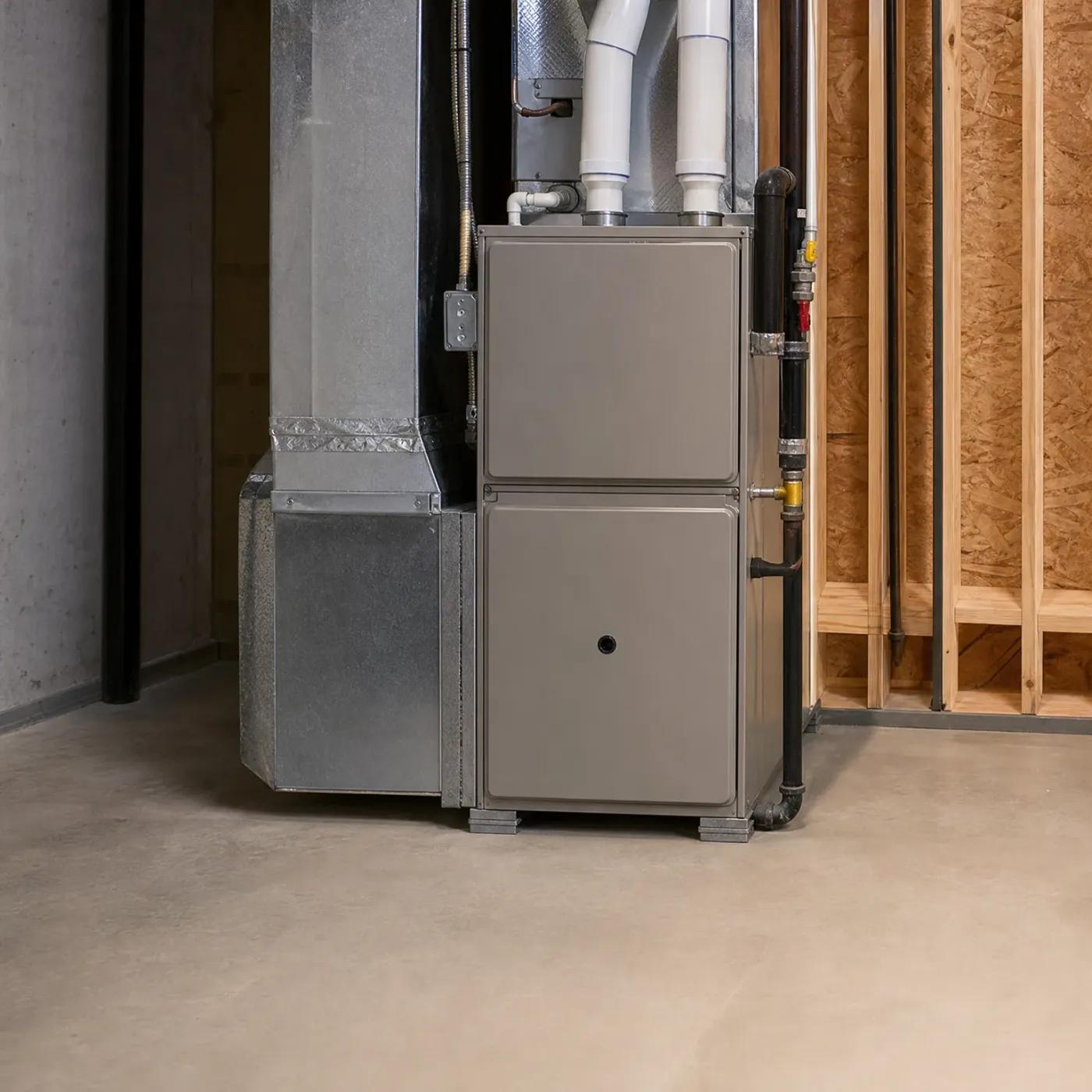
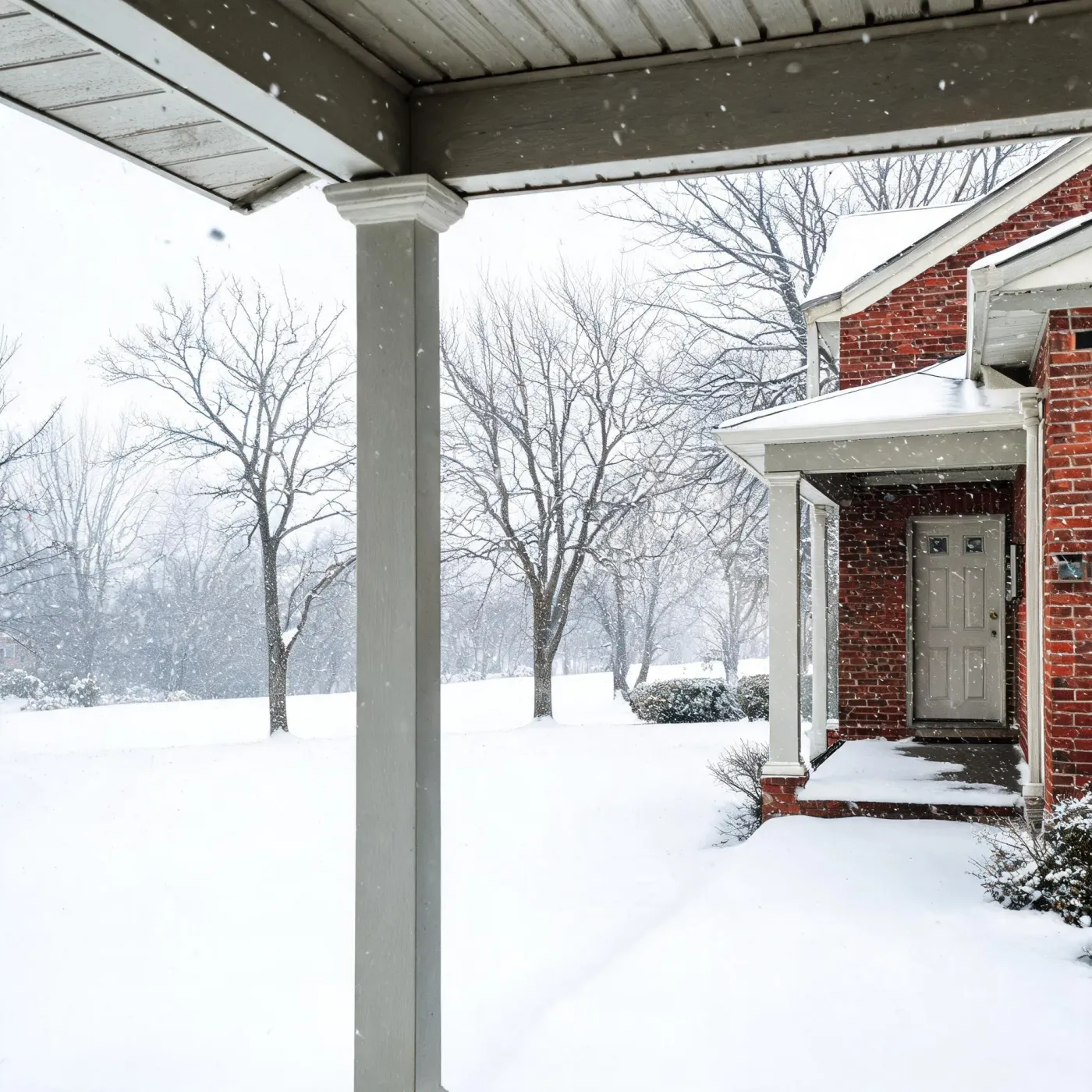
Statewide, winter nights average 23°F, according to NOAA climate data. That's the gap your furnace is working against most nights from December through February, not just on the coldest one. At that temperature, the furnace runs in long, steady stretches rather than short bursts, since it takes longer to push heat through the house and hold it there. You'll notice it most around dawn, when outdoor temperatures bottom out and the furnace has been running for hours already. A furnace in good working order handles that fine. One with a cracked heat exchanger or a weak igniter is more likely to show it on exactly these nights.
NOAA nClimDiv 1991-2020 county normals weighted by homes
68 to 70 degrees, held steady, is the number for a Pennsylvania winter. That's what the furnace is built to do, and it's what keeps the gap between 23 outside and the setpoint inside from turning into long, hard runs that wear on an igniter or a flame sensor. The room over the garage or the one at the end of a long duct run will still run a few degrees cooler, and that's the house, not a number you can fix with the thermostat. What catches a weak igniter or a cracked heat exchanger before a January night does is maintenance, and that's easier to get right with someone who works on furnaces in this area all season and knows which parts give out first in a cold snap. A request here goes to one licensed contractor local to you, not a handful of companies competing for the job, so the furnace gets looked at by someone who already knows what a Pennsylvania winter does to a system like yours.

Furnace Maintenance
Let someone else find the pro
- A local pro who services furnaces gets in touch about the tune-up.
- Say what's going on with your furnace, and a pro who works on them reaches out.
- Send the form and the furnace tune-up stops being something to remember.
- One request and finding someone for the tune-up is handled.
- Fill out one form instead of calling around for a furnace tune-up.
- Skip calling around to set up a furnace tune-up.
- The pro who reaches out is licensed in Pennsylvania.
- Your request stays with one local pro.