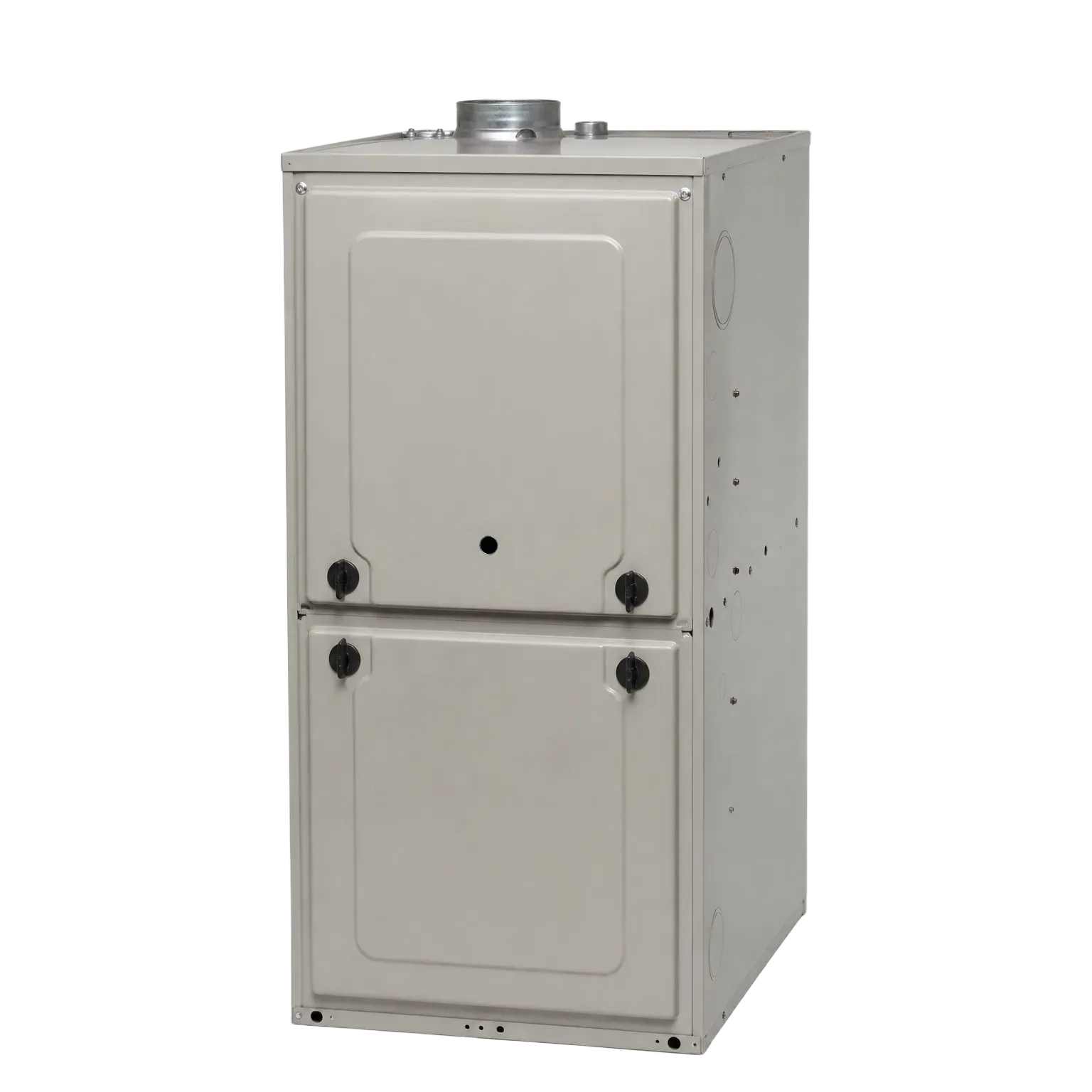
The furnace doing its job
Air moves through clean ductwork, out the vents, and into every room at roughly the same rate. The blower runs, the burners cycle normally, and heat reaches the far end of the house the same as the rooms next to it.
 Hand it off
Once you send the form, finding a pro is off your list.
One room in your house is cold and the rest are fine. Maybe it's upstairs, maybe it's the room over the garage, maybe it's the one at the end of a long duct run. The furnace runs, heat comes out of the other vents, and that one room still needs a sweater. In a Pennsylvania winter that is not something you can just live with for the next few months.
A room that won't hold heat usually comes down to something specific: a duct that's closed or crushed somewhere you can't see, a register that was never balanced right, a return that's blocked, or a room that's losing heat faster than the furnace can replace it. Gas heat in this state runs hard from late fall into spring, and a system working harder to cover a gap like this shows up on the bill, especially with what power costs here.
Figuring out which of those it is means getting someone into the house who can trace the ductwork, check the airflow room by room, and look at what's actually happening at that register versus the others. That's not a guess you make from a search result. It's a diagnosis.
Normally that means finding a contractor who works on furnaces and duct systems, not just anyone who answers the phone. It means calling around, explaining the same cold room three or four times, waiting on quotes, and trying to judge who actually knows what they're looking at. That's its own project on top of a cold room.
Send the form here and that part is done. You're not the one tracking down who's available or who's qualified. That search gets handed off, and a contractor who works on exactly this gets the details instead of you having to repeat them to the next name on a list. The room stays cold a little longer while that happens, but finding the right person to fix it stops being something you have to manage yourself.
A room that stays cold while the rest of the house is fine almost always comes down to the duct run feeding it. The furthest room from the furnace gets air last, and by the time it gets there, the duct has lost heat along the way and the furnace may have already cut off for that cycle. A duct that's too narrow, crushed in a joist bay, or running through an unheated attic or garage ceiling will starve that one room no matter how hard the furnace works. A closed or blocked damper partway down the line does the same thing. In a Pennsylvania winter, with outdoor temperatures well below freezing for weeks at a stretch, that gap between rooms gets wide enough to notice fast. It's rarely the furnace itself. It's almost always what happens to the air between the furnace and that one vent.
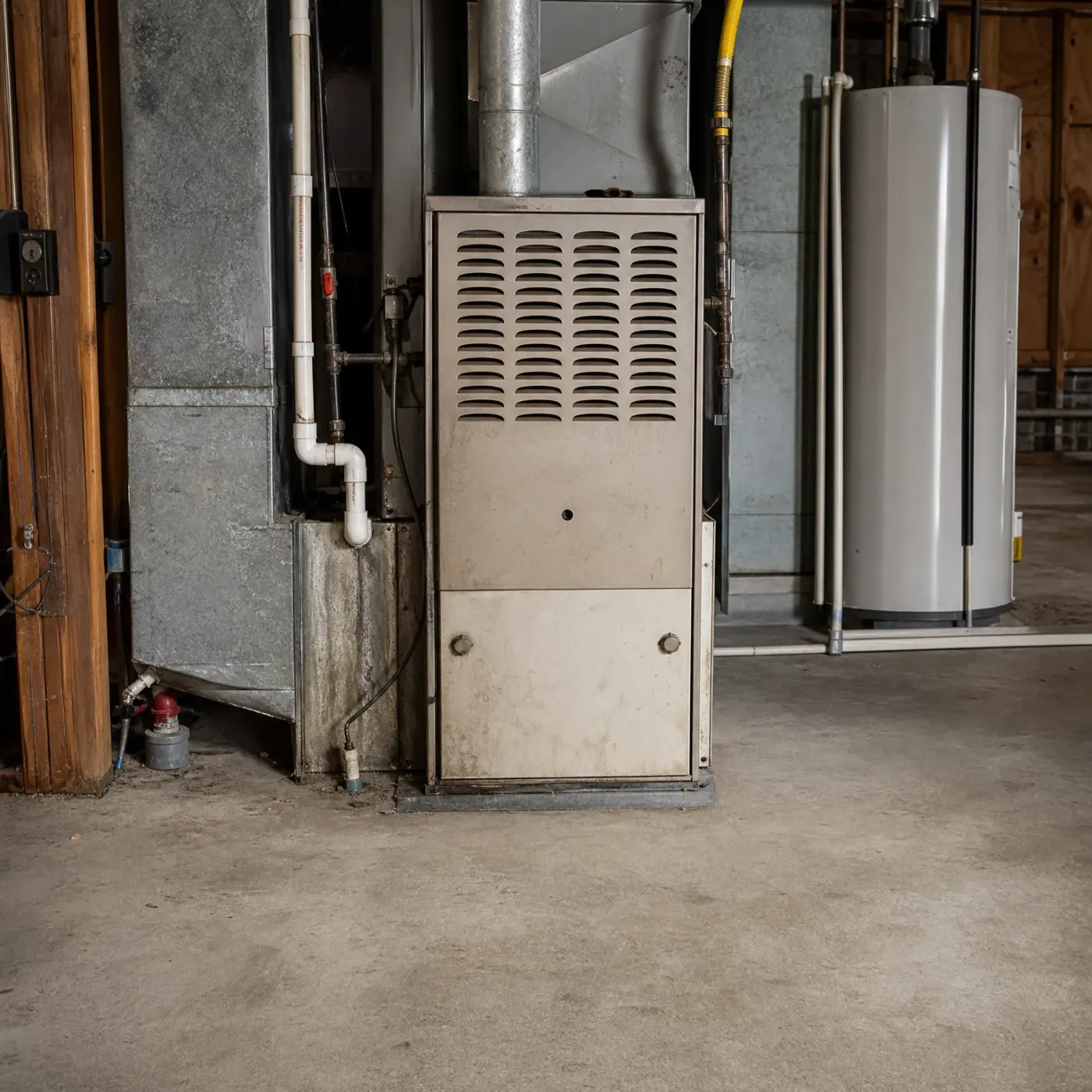
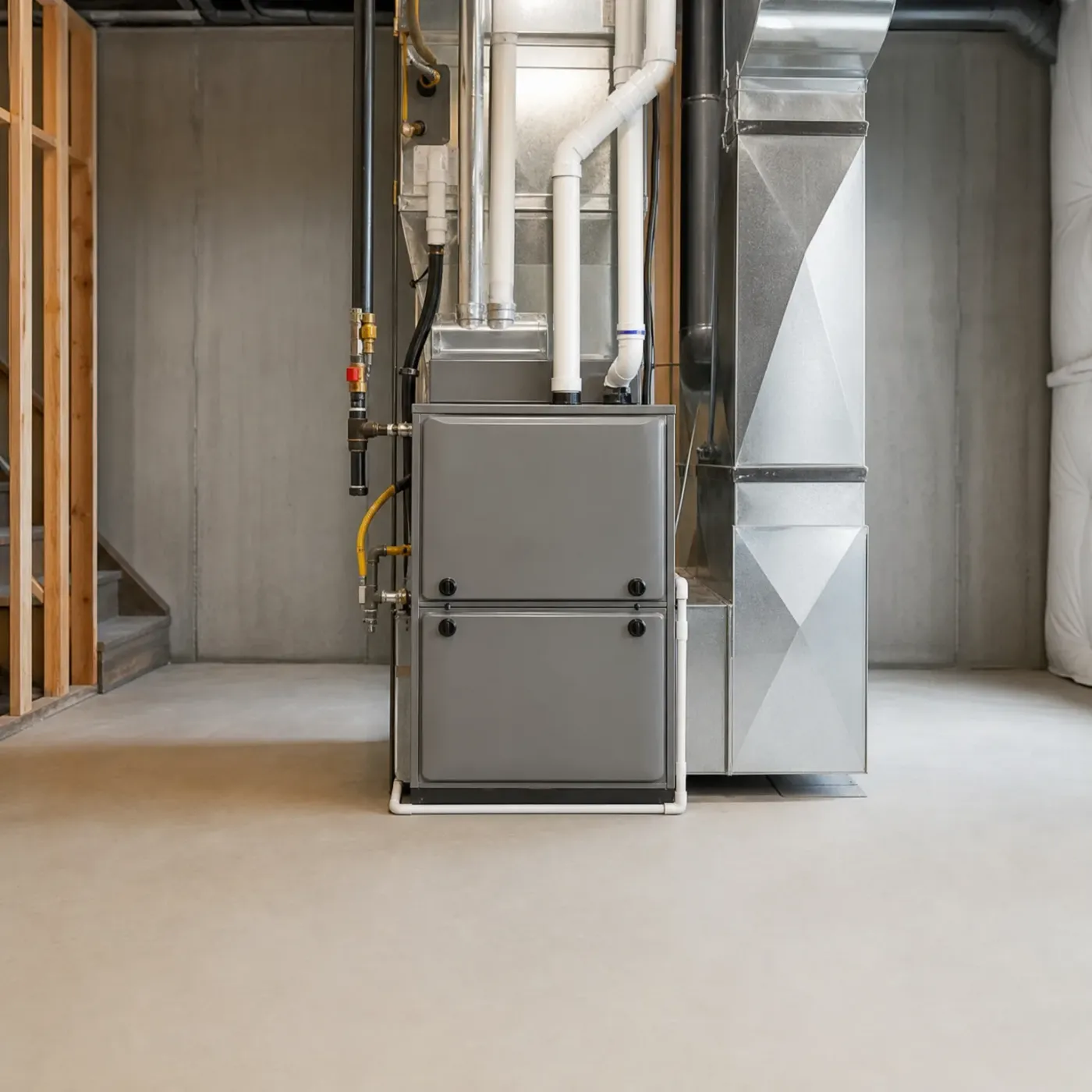
A room that stays cold while the rest of the house is fine almost always comes down to the duct run feeding it. The furthest room from the furnace gets air last, and by the time it gets there, the duct has lost heat along the way and the furnace may have already cycled off.
Most rooms sit over a basement or another heated space, so the floor gets some help staying warm. A room over a garage doesn't have that. The garage floor is cold all winter, sometimes close to the outside temperature, and that cold sits directly under the room above it with only the subfloor and whatever insulation is between them. The duct feeding that room has to make up for heat loss from below as well as the walls and ceiling. If the insulation in that garage ceiling is thin or has gaps, the room loses heat faster than the furnace can replace it, even when the rest of the house is holding steady.
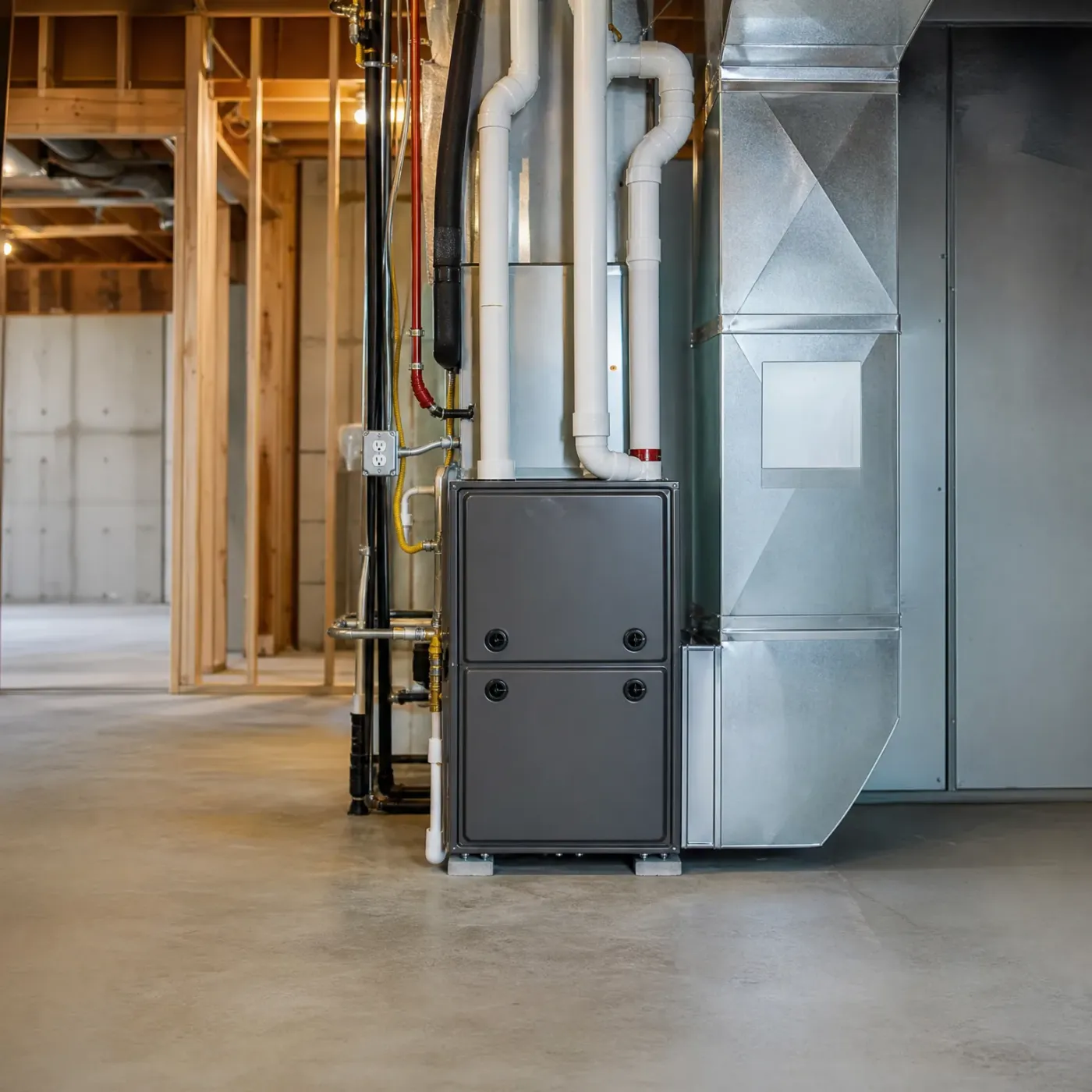
Air moves through clean ductwork, out the vents, and into every room at roughly the same rate. The blower runs, the burners cycle normally, and heat reaches the far end of the house the same as the rooms next to it.
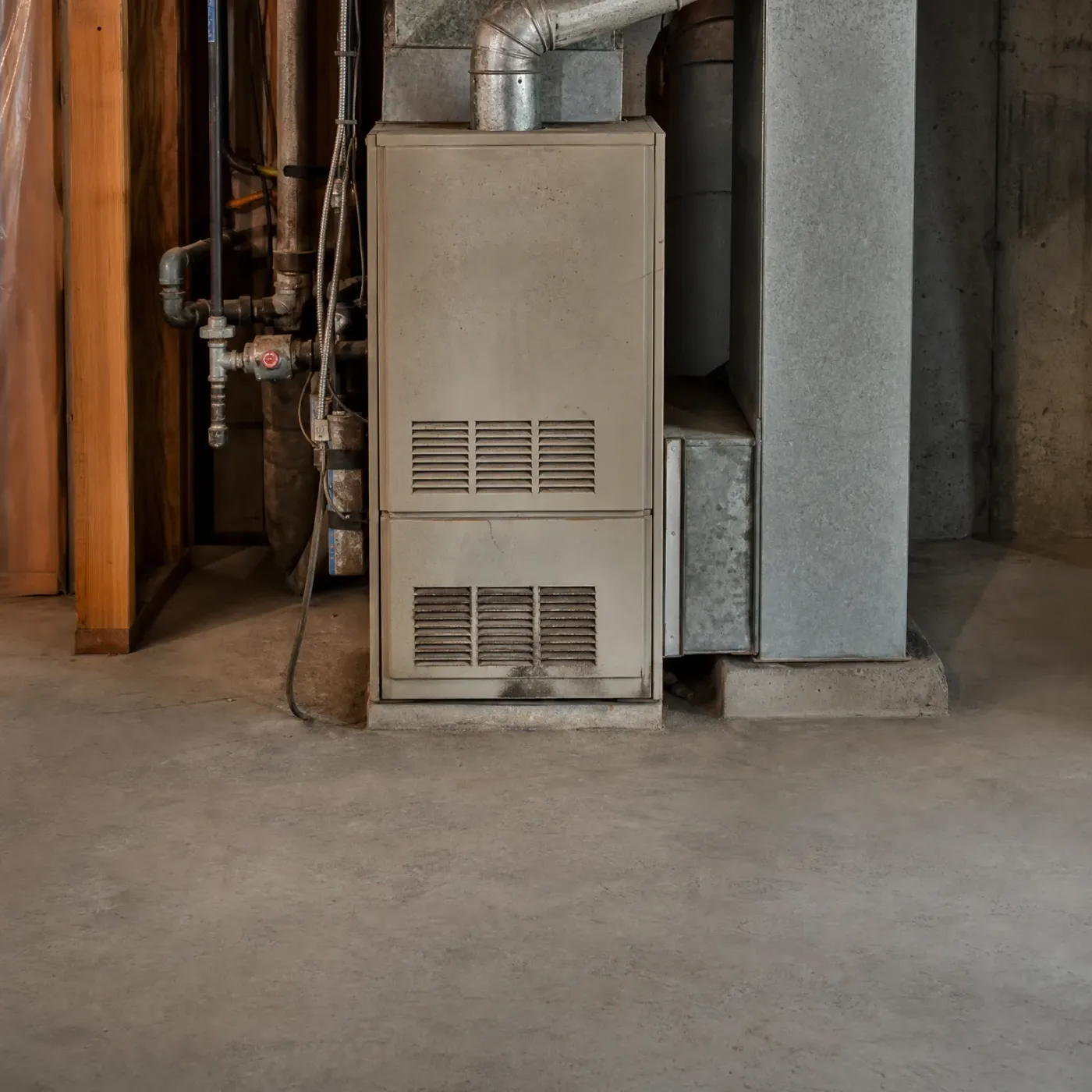
The furnace still fires and the blower still runs, but somewhere between here and that cold room, airflow is falling off. A blocked duct, a closed damper, or a blower losing strength can all leave one room shorted while the rest of the house stays warm.




Answer a few questions instead of calling shop after shop.
Sending the form costs nothing.

You're up at 2 a.m. because your daughter kicked off her blanket again. The hallway floor is cold under your feet before you even reach her door. Outside the window at the end of the hall, frost has worked its way across the glass in a thin white edge, and the vent in the floor isn't pushing out anything, not even a little warmth. You crouch down and hold your hand over it anyway. Nothing. Downstairs the furnace is running, you can hear it, a low sound through the floor. Up here the air just sits cold and still, the kind of cold that gets into a house and stays until someone deals with the duct that isn't doing its job.
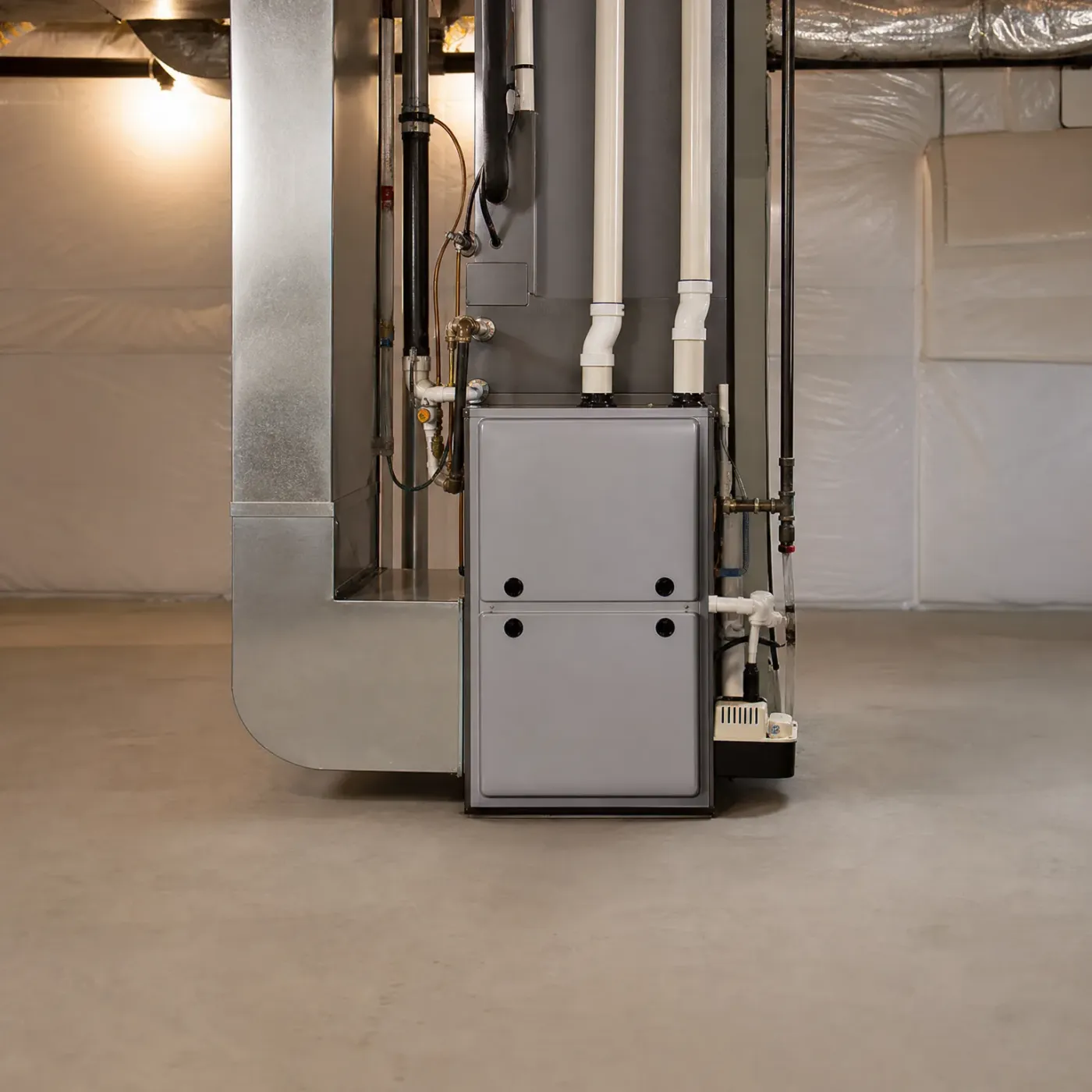
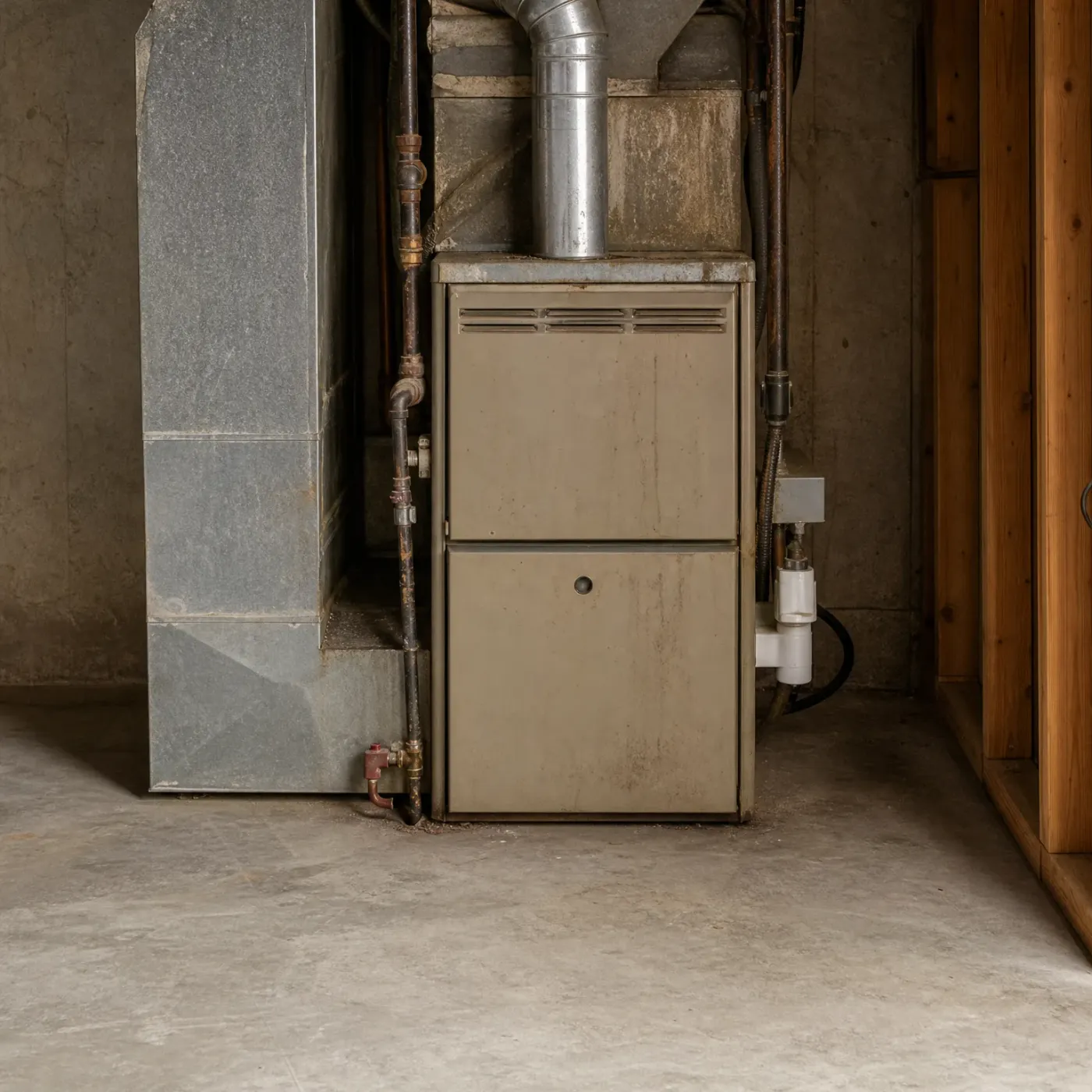


Air leaves the furnace at full temperature through the main trunk line.
Each branch duct splits off, and the farthest branch loses heat fastest.
A damper at the branch can be open, closed, or partly shut.
A loose joint or crushed flex duct lets warm air escape before the vent.
At 23°F overnight, a duct losing heat along the way matters more by the time it reaches that far room. A short loss near the furnace is nothing. The same loss at the end of a long run can be the difference between warm air and a cold vent.
NOAA nClimDiv 1991-2020 county normals weighted by homes
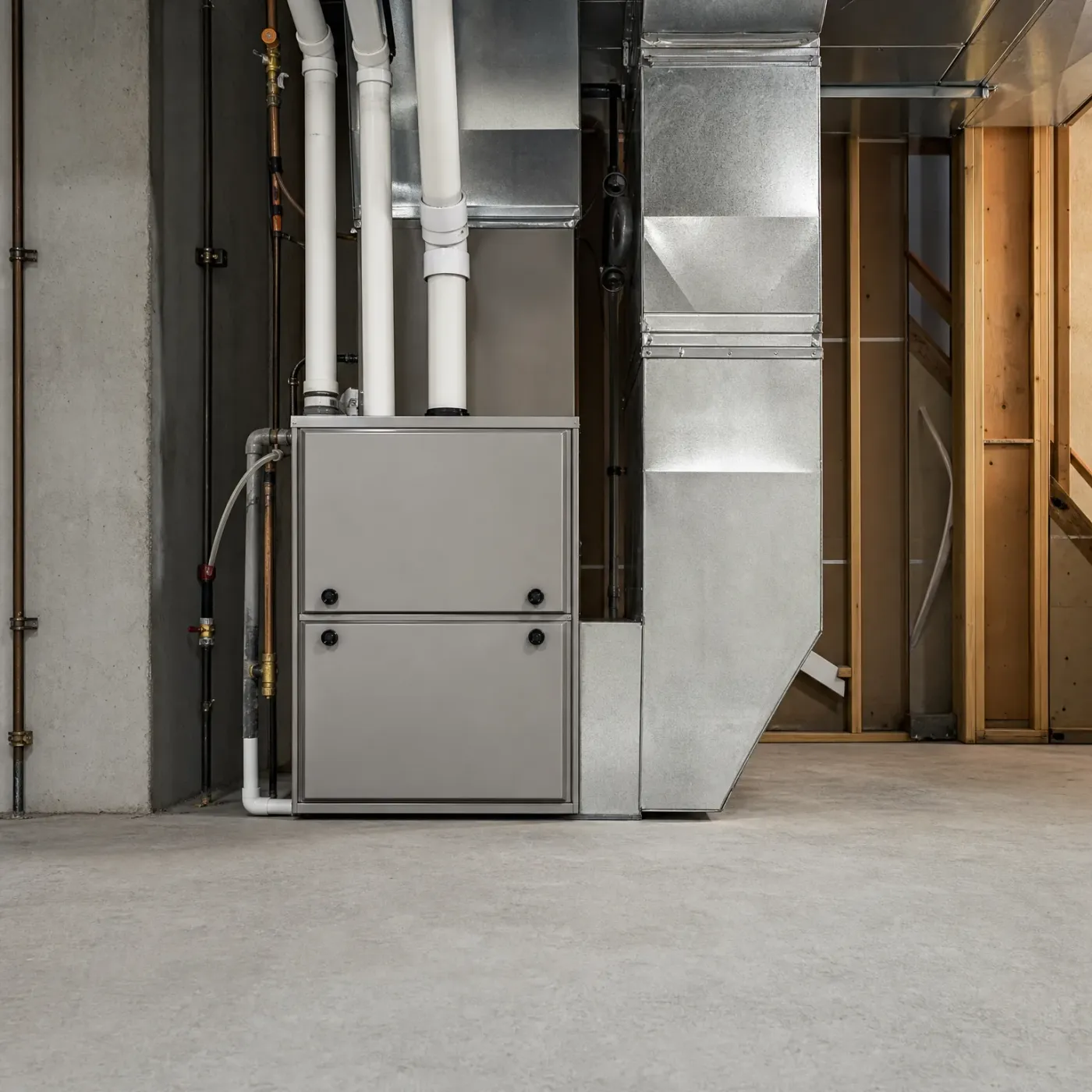
This is a furnace with nothing wrong. Air leaves the trunk line, splits off into each branch, and reaches the far rooms at close to the same temperature as the ones next to the furnace. The panels stay closed because there's no reason to open them.
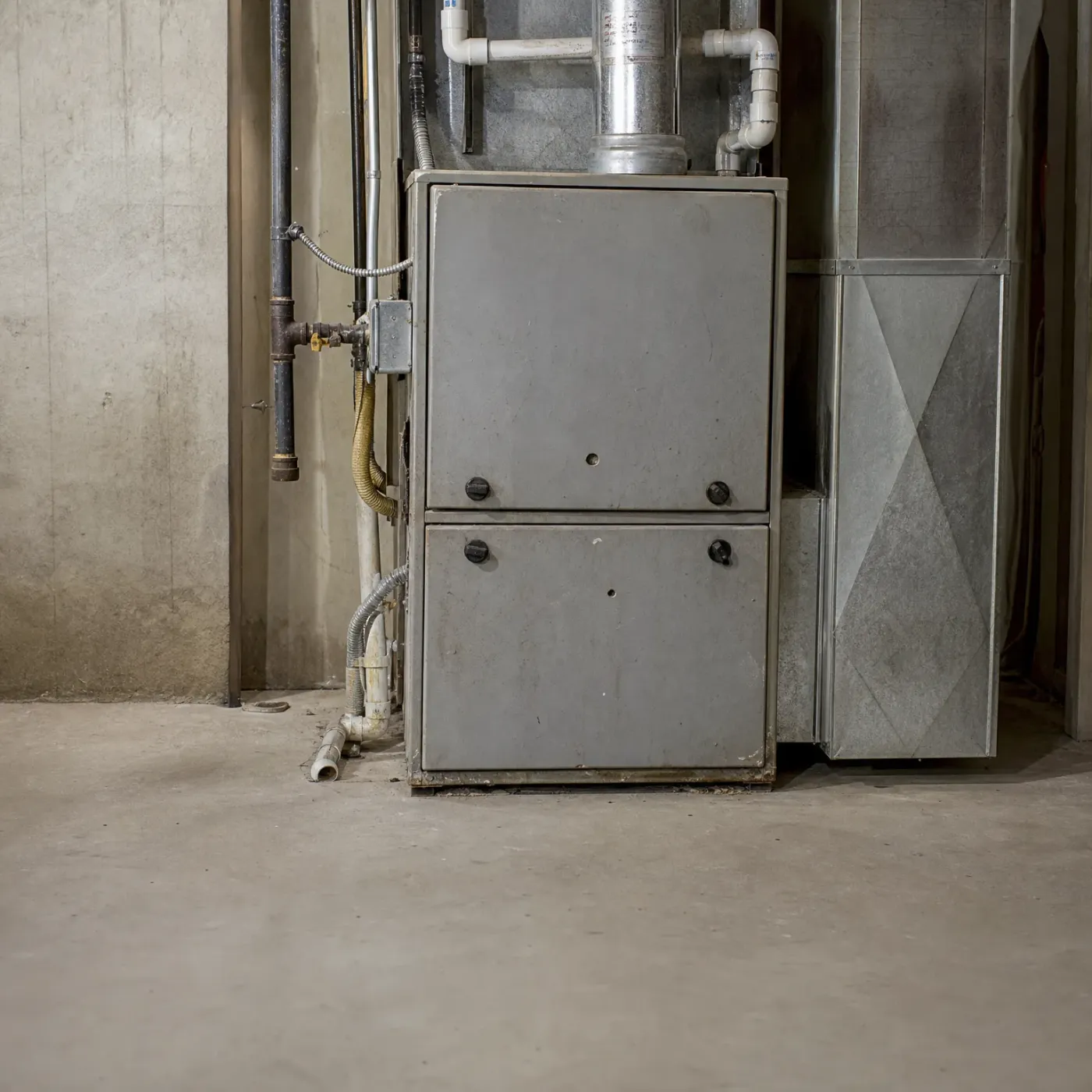
Same furnace, same ductwork layout, but a joint has worked loose or a damper's been pulled shut. The panels come off to check the branch feeding that one cold room. A contractor can trace it without touching the rest of the system.
You've probably already checked the vent itself. The air coming out is weak, or it's cool instead of warm, while the vent in the next room blows hard and hot. The door to that room stays shut more than it used to, because leaving it open just lets the cold spread to the hallway. Maybe you've started closing vents in other rooms to force more air down that one line, and it still doesn't help much. None of that fixes anything. The duct run is still losing heat the same way, and all winter that room is the one pulling space heaters or extra blankets while the rest of the house runs the thermostat like normal.
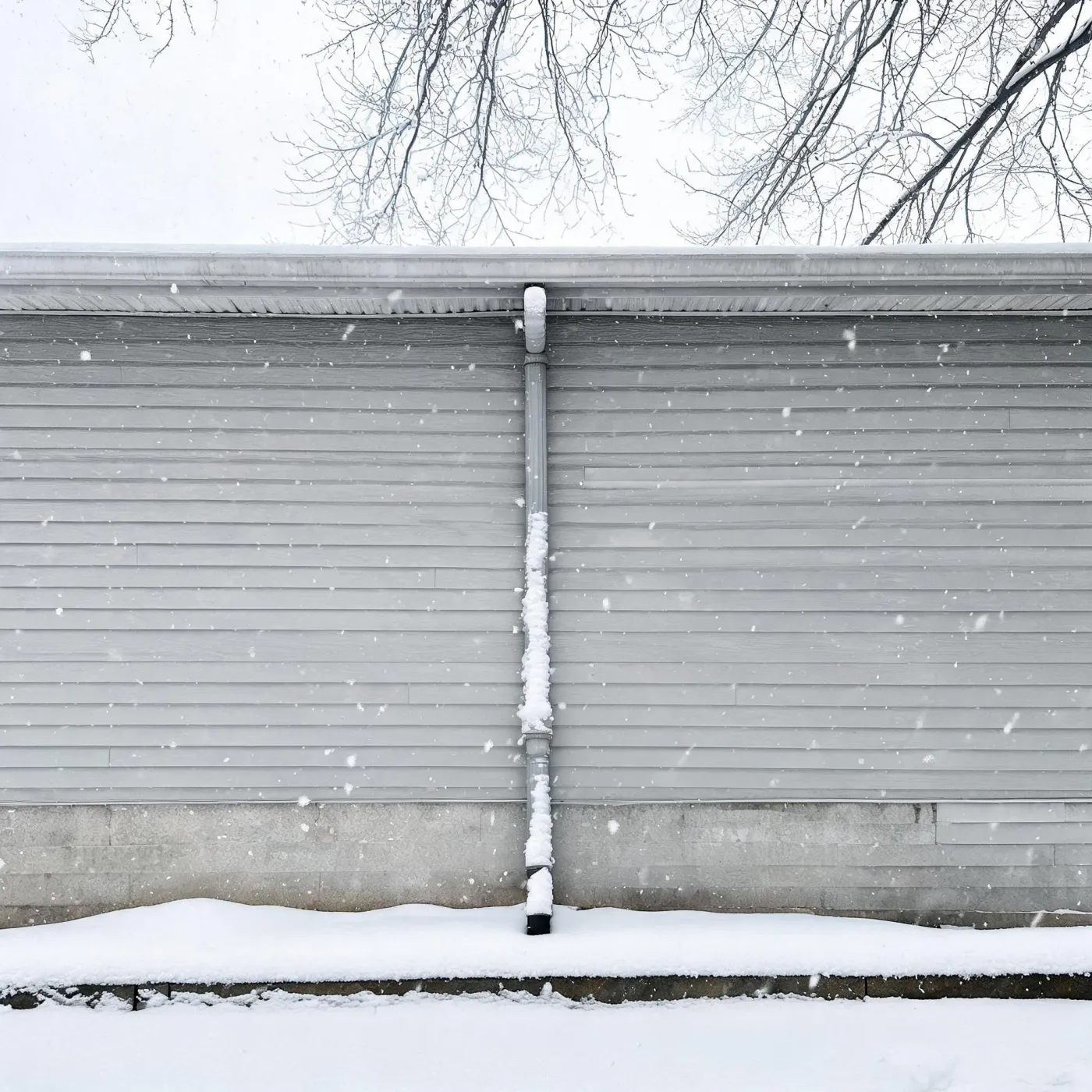
Statewide, winter nights average 23°F, according to NOAA. That's cold enough that a duct run losing heat along the way shows up fast in the room farthest from the furnace. Near the furnace, a little heat loss doesn't register. By the time air travels the length of the house at that temperature, a loose joint or a crushed section of flex duct can drop what reaches the vent by enough to notice. You'd feel it as air that's barely warm, or a room that takes longer to come up to temperature than the others, even though the furnace is running the same cycle it always has.
NOAA nClimDiv 1991-2020 county normals weighted by homes

A cold room while the rest of the house is warm points to the duct run feeding it, not the furnace itself. A closed damper, a loose joint, a crushed section of flex duct along that one line. It's a local problem with a local fix, and a contractor can trace it without tearing into the whole system.
Right now that means picking a contractor, explaining the cold room and the warm ones, maybe getting a few quotes and sorting through who sounds like they know what they're talking about. Send the form instead and that part is done. You won't be the one calling around in the cold to find someone who can look at it.

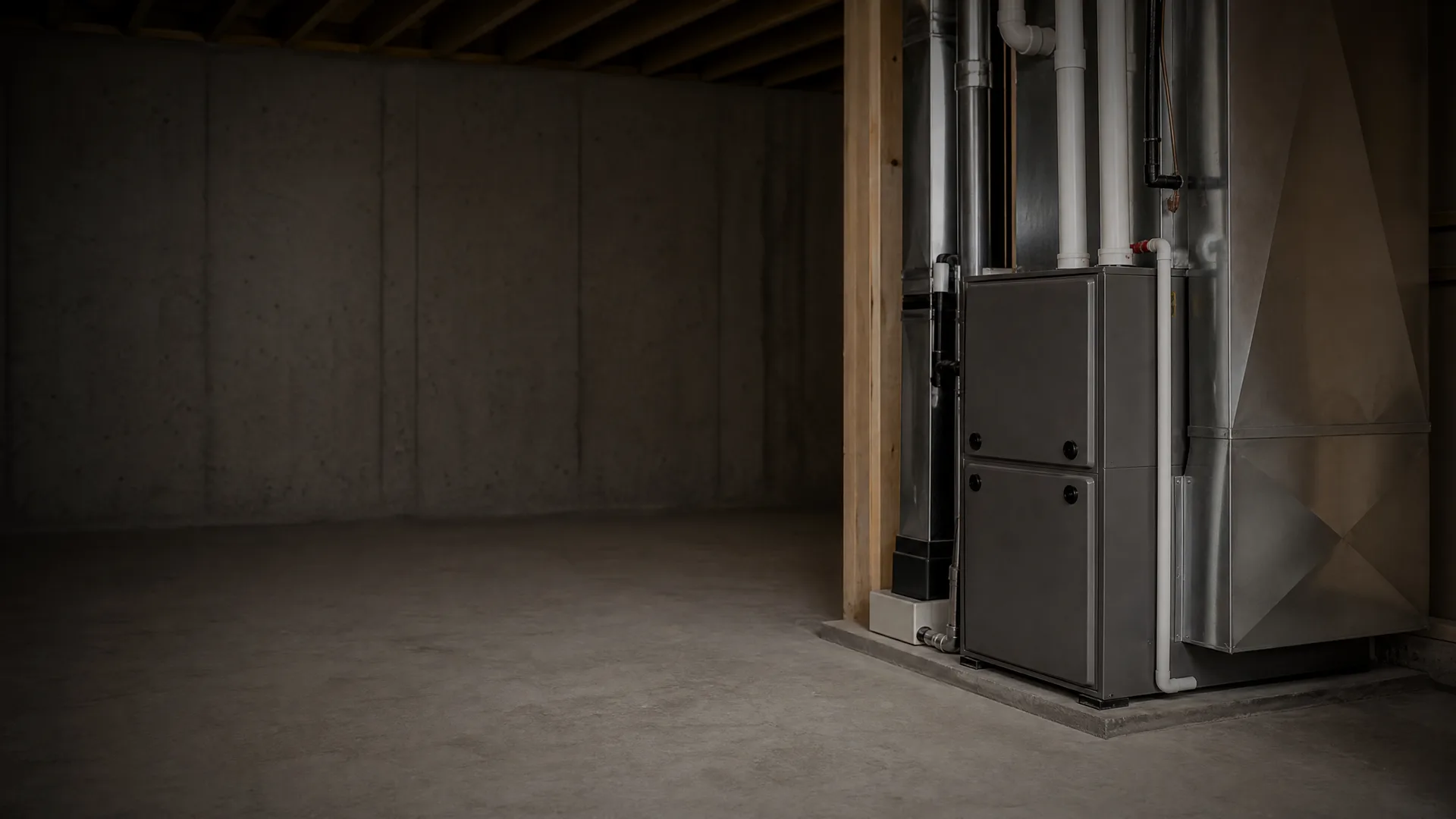
Describe your furnace job once, to one pro.