Why your furnace keeps turning on and off in Pennsylvania
A furnace that keeps clicking on and off, known as short cycling, usually means it's shutting down before it finishes a heating cycle. The most common cause is a dirty or clogged air filter that cuts off airflow, so the furnace overheats and a safety switch shuts the burner down. It can also mean the flame sensor is coated and can't confirm the flame, or the heat exchanger is cracked and tripping a limit switch, or the blower motor is wearing out. A furnace running in short bursts all winter uses more gas to heat the same space, and it puts extra wear on parts that aren't built to start and stop that often. In a Pennsylvania winter, a furnace stuck in this pattern can struggle to keep the house warm on the coldest days, right when you need it working the most.




Flame Sensor or Blocked Airflow
Flame sensor problem
- A coated flame sensor can't detect the flame fast enough, so the control board shuts the gas valve as a safety measure.
- The furnace fires, runs for a few seconds or longer, then cuts out and tries again a short while later.
- This gets worse over weeks as the coating builds up, so cycles get shorter and shorter.
- A contractor can clean or replace the sensor, and it's a quick fix once diagnosed.
Blocked airflow
- A dirty filter, closed vents, or blocked return can starve the furnace of air it needs to move heat out of the heat exchanger.
- Heat builds up inside the furnace until a limit switch trips and shuts the burner off before the cycle finishes.
- Once it cools back down the limit switch resets and the furnace starts again, so it short cycles instead of running normally.
- Checking the filter is the first thing worth ruling out before calling anyone, since it's the most common cause in Pennsylvania homes that heat with gas.
Airflow drops when the filter is clogged or a vent is blocked.
Heat builds up fast inside the cracked or dirty heat exchanger.
The limit switch senses that heat and shuts off the burners.
The blower keeps running to clear the extra heat out.

What short cycling does to your house and your winter
A furnace that keeps restarting wears out its parts faster than one that runs a normal cycle. The igniter and blower motor take the hit, since each stop and start puts a load on them that a full cycle doesn't. Left alone, that usually ends with a bigger repair than the one you'd have paid for now. You'll likely notice rooms that don't hold heat evenly and a gas furnace that's working harder than it should to keep up, which shows up on the bill before you've even pinned down the cause.
Pennsylvania winters don't leave much room to wait this out. Once you know it's short cycling and not just an old furnace running its course, the next step is getting someone to look at the filter, the flame sensor, or the limit switch before one failure turns into another. That's usually where homeowners get stuck, calling around to find someone who'll actually show up, explaining the clicking and the restarts to three different companies, then weighing quotes without knowing which one actually fixes it. A local contractor who works on furnaces all winter has usually seen this exact pattern before and knows which part to check first.
Why the limit switch reacts so fast
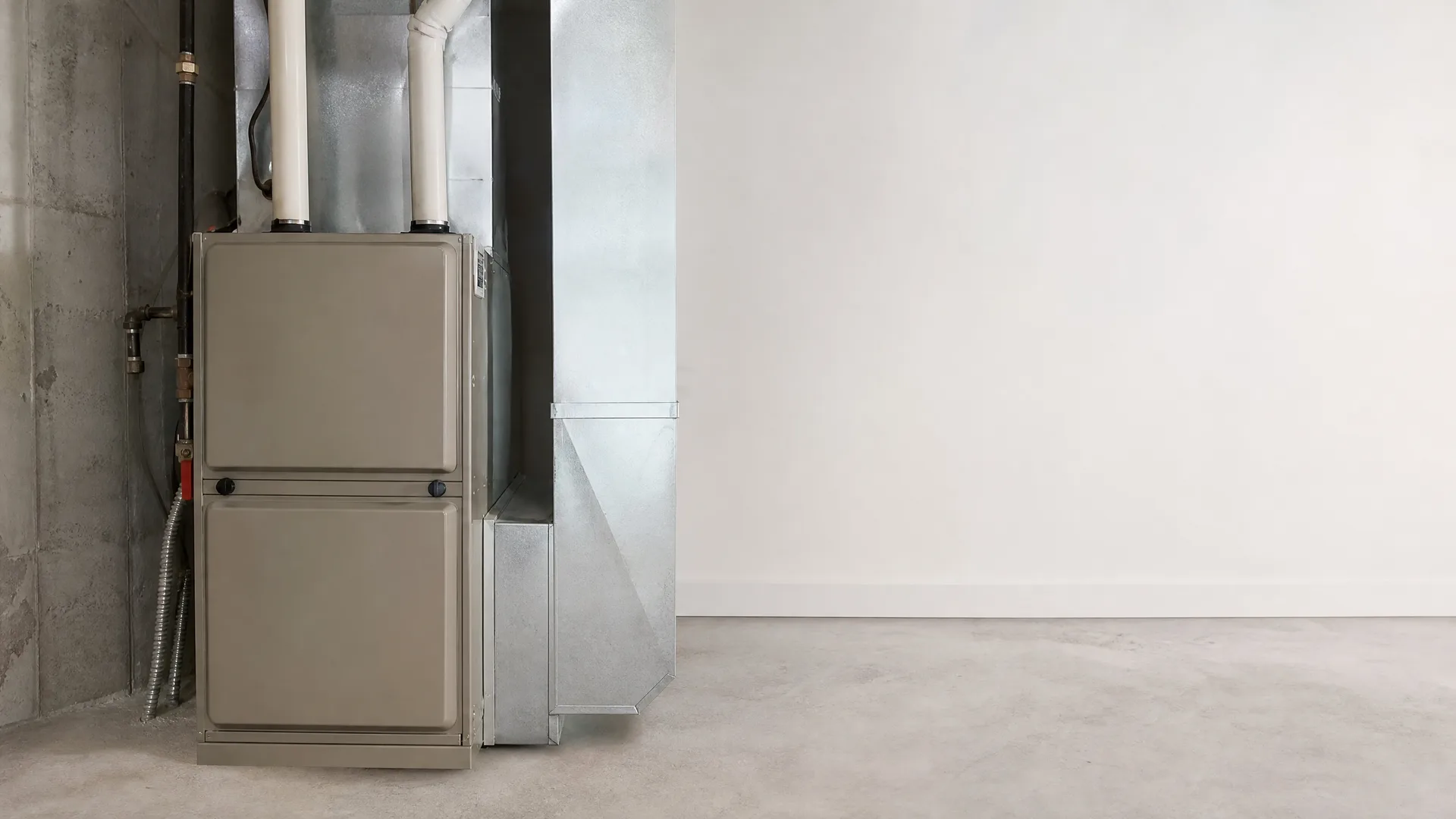
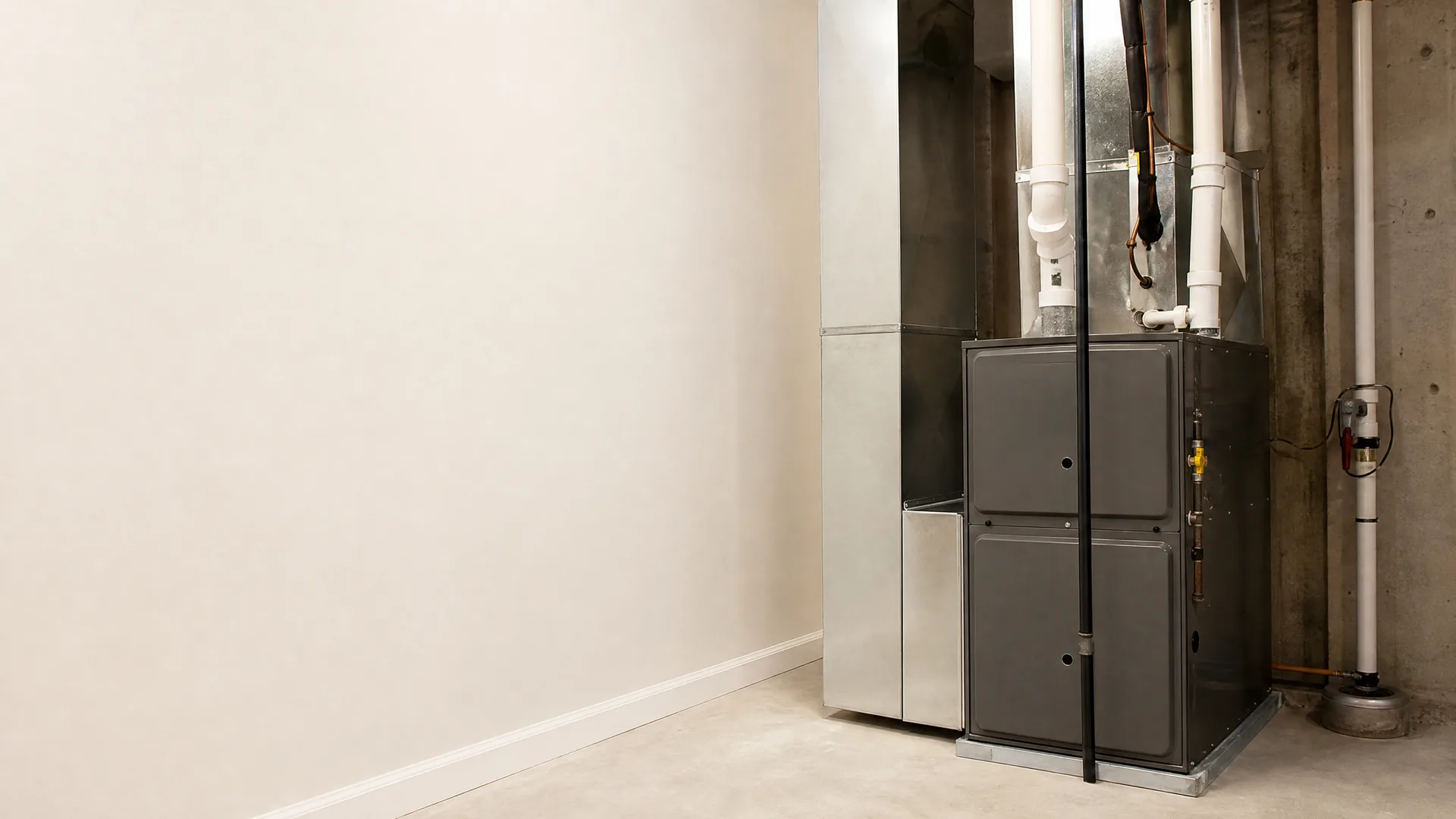
The limit switch sits near the heat exchanger and reads the air temperature inside the cabinet. It doesn't know why the air is hot, only that it is. If a filter is clogged or a return vent is blocked, the air moving across the exchanger slows down and the metal heats up faster than the blower can carry the heat away. The switch trips, the burners shut off, and the cycle restarts once things cool. It's doing its job every time.
What a dirty flame sensor costs in gas
The flame sensor is a thin rod that sits in the burner flame and proves to the control board that gas is actually burning. A film of carbon or soot on it is enough to slow down that signal. The board waits, doesn't get confirmation fast enough, and closes the gas valve rather than let gas flow unburned. Pennsylvania winters run the furnace for months at a stretch, and a sensor that was fine in November can be coated by January.
Is your furnace doing this too?
You hear the burner kick on, run for a bit, then shut off well before the house feels warm. A few minutes later it starts again. Some rooms stay cold while the thermostat shows the set temperature isn't met. The blower may run longer than usual, or kick on by itself with no heat coming out. Your gas bill can climb even though the furnace isn't heating the house any better, since it's burning fuel on restarts that never finish a full cycle. Left alone, the constant starting and stopping puts wear on parts that aren't built for it, and in a bad stretch of Pennsylvania cold, a furnace that keeps tripping off is one that can fail on the night you need it most.


Skip calling around
Only one pro gets your request, so you hear from one company.
Skip searching for a furnace pro and answer a few questions instead.
You're not committing to anything by asking.
Winter nights average 23°F statewide
At 23°F, your furnace is running long cycles most winter nights just to hold the house steady. A furnace that short cycles under that kind of load is working against itself, stopping and restarting instead of putting out heat. That's what wears the igniter and blower down faster.
NOAA nClimDiv 1991-2020 county normals weighted by homes
Leave the short cycling alone and the pattern repeats all winter. The igniter and blower keep absorbing the stop-start load, the house holds uneven heat, and on the coldest nights in Pennsylvania the furnace may trip out right when you need it most.
Get a local contractor to check it once and most of this stops being a guess. Someone who works on furnaces all winter here can tell from the pattern itself, cycle length, which rooms stay cold, whether it's the filter, the flame sensor or the limit switch, usually before taking the panel off.
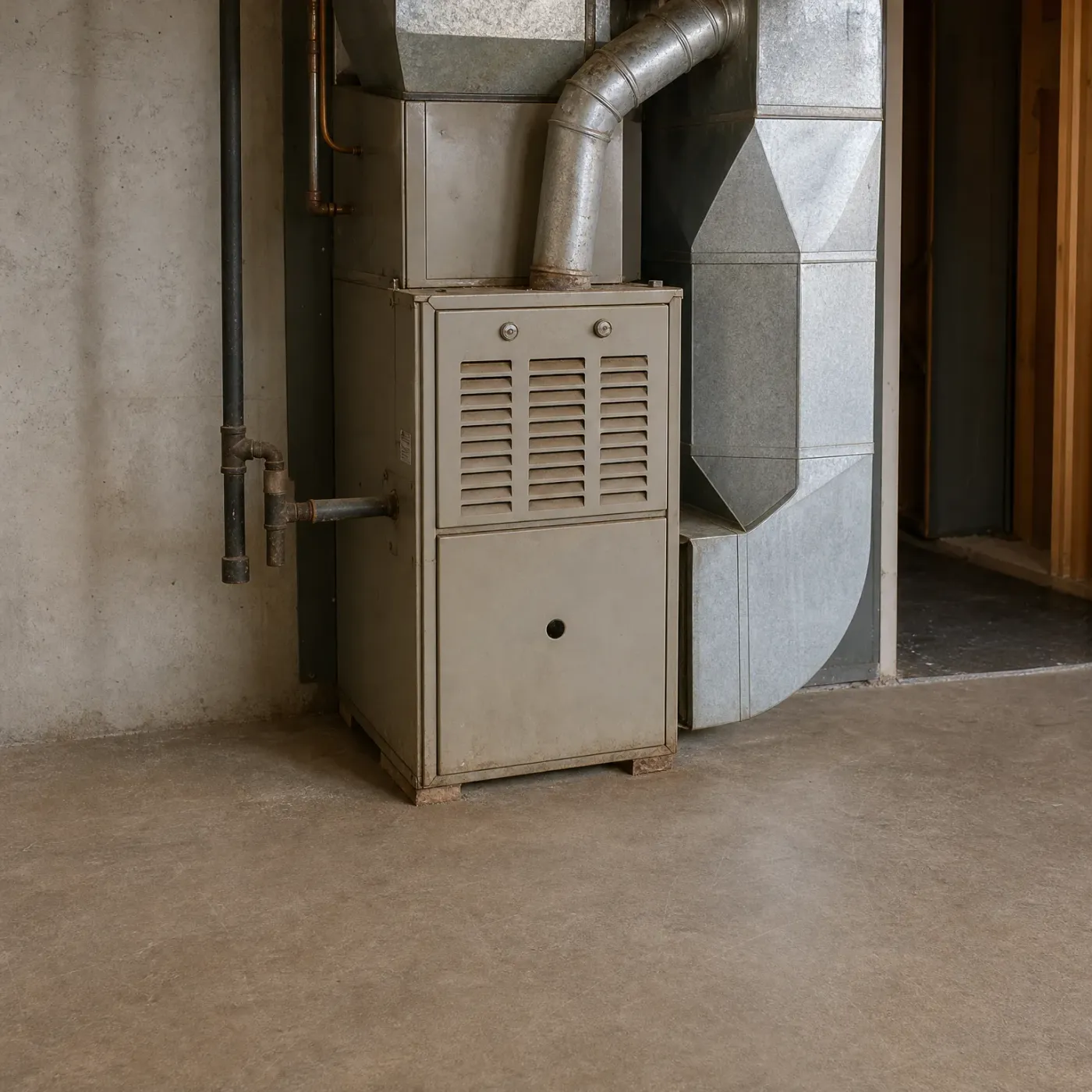
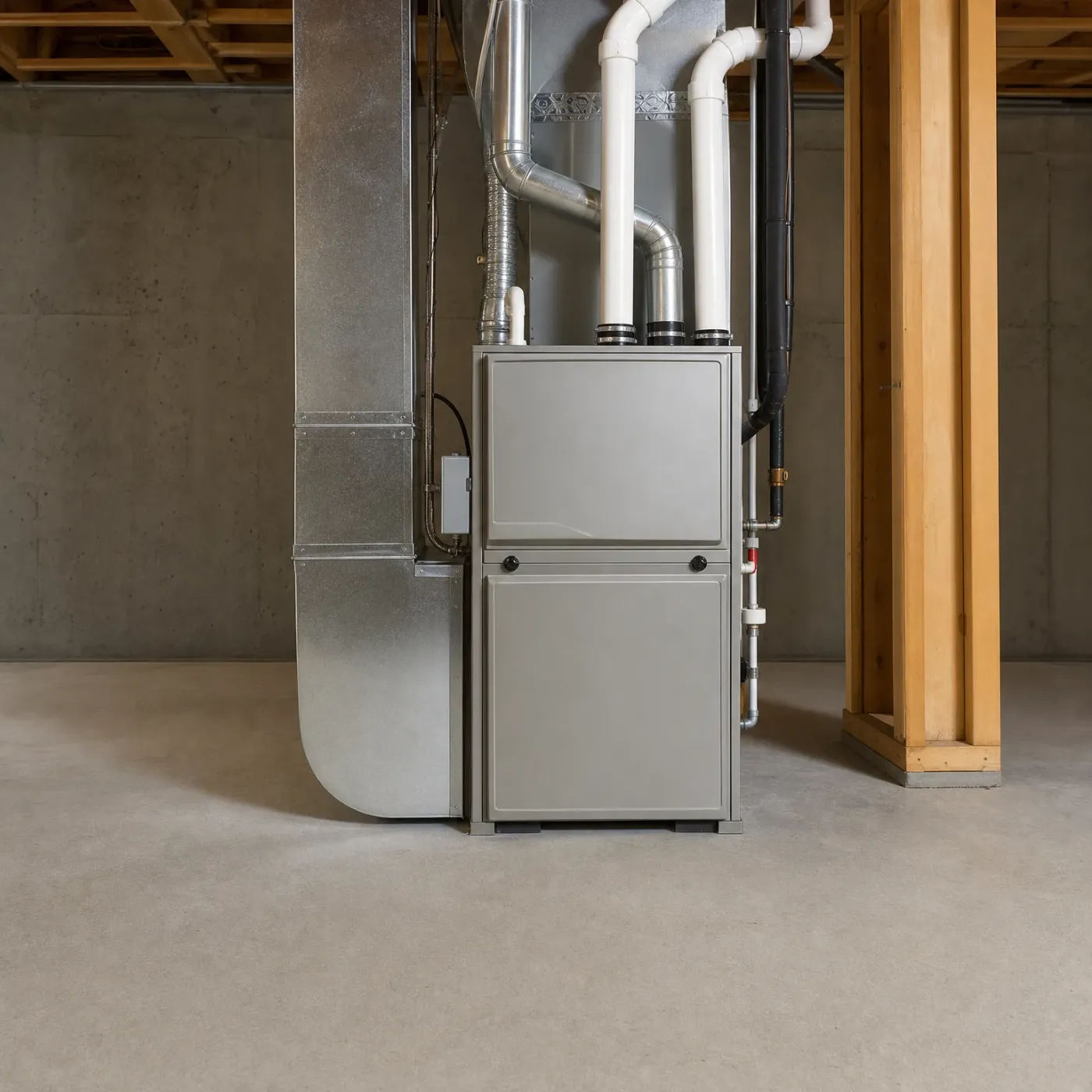
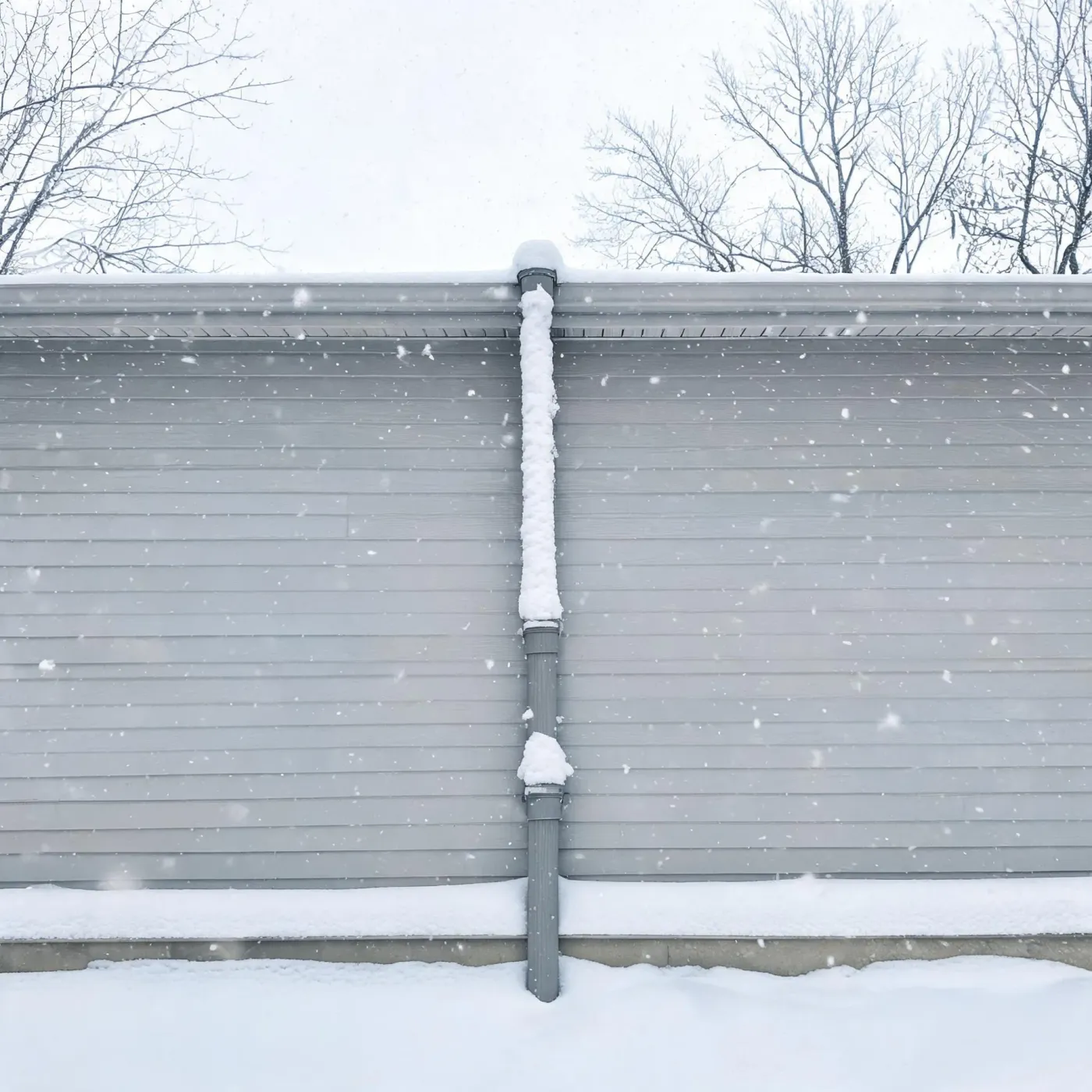
Statewide, winter nights average 23°F, according to NOAA climate data. At that temperature a furnace that's running normally will cycle long and steady, pushing heat for a good stretch before it shuts off. One that's short cycling doesn't get that chance. It fires, trips off after a minute or two, and leaves the air to cool back down fast in that kind of cold. You'll feel it as a draft near the vents even with the thermostat set right, and the burner noise starting up again every few minutes instead of settling into a rhythm.
NOAA nClimDiv 1991-2020 county normals weighted by homes
What to do about it now
- Short cycling almost always traces back to a dirty filter, a blocked vent, a failing flame sensor, or a cracked heat exchanger.
- A furnace stopping and restarting all winter puts more wear on the igniter and blower than one that runs a full cycle.
- On a 23°F night in Pennsylvania, a furnace that short cycles may not hold the house steady when the cold is worst.
- A local contractor who services furnaces all winter can usually spot which of these is causing yours to shut off early.
- Matching with one licensed contractor means a single visit to sort out, not several companies calling to compete for the job.
- Catching the cause now means one working furnace instead of a pattern that repeats through the rest of the season.
A furnace that keeps clicking on and off is telling you something specific, not failing at random. The filter, the vents, the flame sensor, and the heat exchanger are the places to look, and a furnace won't tell you which one on its own. Guessing costs you a winter of uneven heat and parts wearing down faster than they should. The igniter and blower are already absorbing the stop-start load every time this happens, and that doesn't stop until the actual cause is found and fixed.
Pennsylvania doesn't give you much room to wait this out. Nights averaging 23°F mean your furnace needs to run long, steady cycles to keep the house warm, and a furnace that's short cycling isn't built to do that. The gap shows up as cold rooms and a thermostat that never quite reads satisfied, right when you'd rather not be dealing with it.
What you get through this page is a contractor who already knows furnaces like yours, because they're the ones working on them all winter in homes around you. That's who can look at a flame sensor or a limit switch and know in a few minutes whether it's the cause or just a symptom. You're matched with one of them, not a handful of companies competing for your number. One visit, one person who's seen this pattern before, and a furnace that runs the way it's supposed to instead of fighting itself every twenty minutes.



Describe it once
Your request stays with one local pro.
It costs nothing to send, and you don't have to hire anyone.