Lighting clean
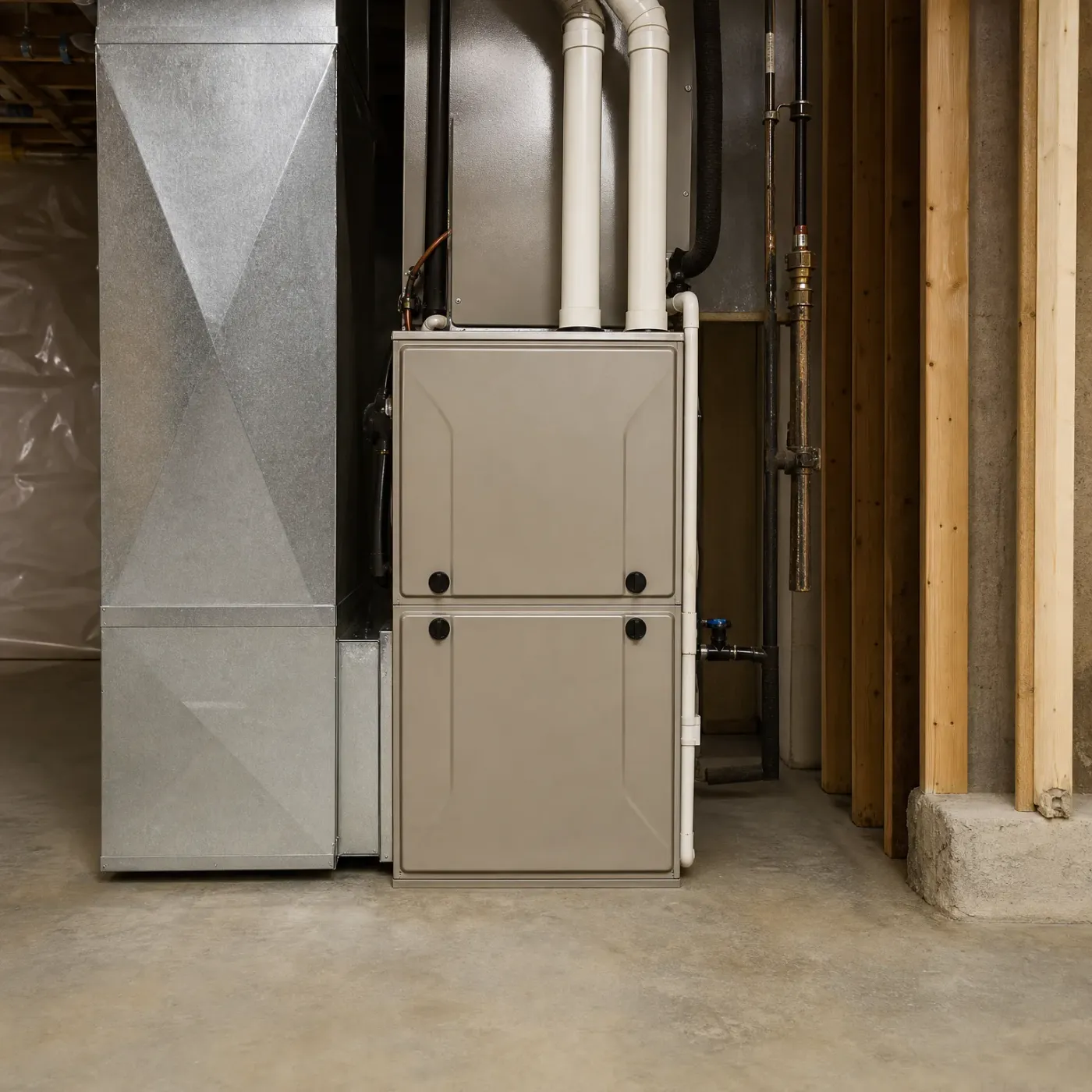
Burners catch the instant the igniter glows. No delay, no pooled gas, no bang. The cabinet stays quiet because nothing is building up before it fires.

A banging noise when your furnace starts is almost always a delayed ignition. Gas builds up in the burner chamber for a second or two longer than it should, then lights all at once instead of catching smoothly. That small explosion is what you hear as a bang, and it usually points to a dirty burner or an igniter that's wearing out and not lighting the gas right away. Banging later in the cycle, after the furnace has been running, is a different problem. That's often the blower fan hitting loose or broken mounting parts, or ductwork popping as it heats and expands. Either way, it's worth having someone look at before winter settles in for good here. A furnace that bangs on startup isn't going to fix itself, and a delayed ignition that gets worse can crack a heat exchanger over time, which turns a simple repair into a much bigger one.




Gas furnaces light with an igniter that has to get the burner going within a few seconds of gas starting to flow. When everything is clean, that happens fast and quiet. When it doesn't, gas keeps filling the burner chamber until there's enough to catch all at once, and that's the bang you hear right at startup. A flame sensor that's reading low will tell the control board the flame didn't take, so it tries again, and each retry is another chance for gas to pool before it lights. Dust, rust, or a clogged port on the burner itself can cause the same delay even with a good sensor and a good igniter. None of this is random. It happens because something specific is dirty, worn, or reading wrong, and a furnace tech can usually find it by pulling the burner assembly and looking.
Not every bang means ignition trouble. If the noise comes a few minutes into the cycle, after the air has been moving and the metal ducts have had time to heat up, that's usually the ductwork flexing rather than the burner. A panel that's come loose, or a section that isn't seated the way it should be, will pop as it expands and again as it cools. A bang right when the blower shuts off points the same direction, toward a duct or panel that's worked itself loose rather than anything happening inside the burner. Either way, it's worth having someone look, because what starts as a small noise doesn't stay small.
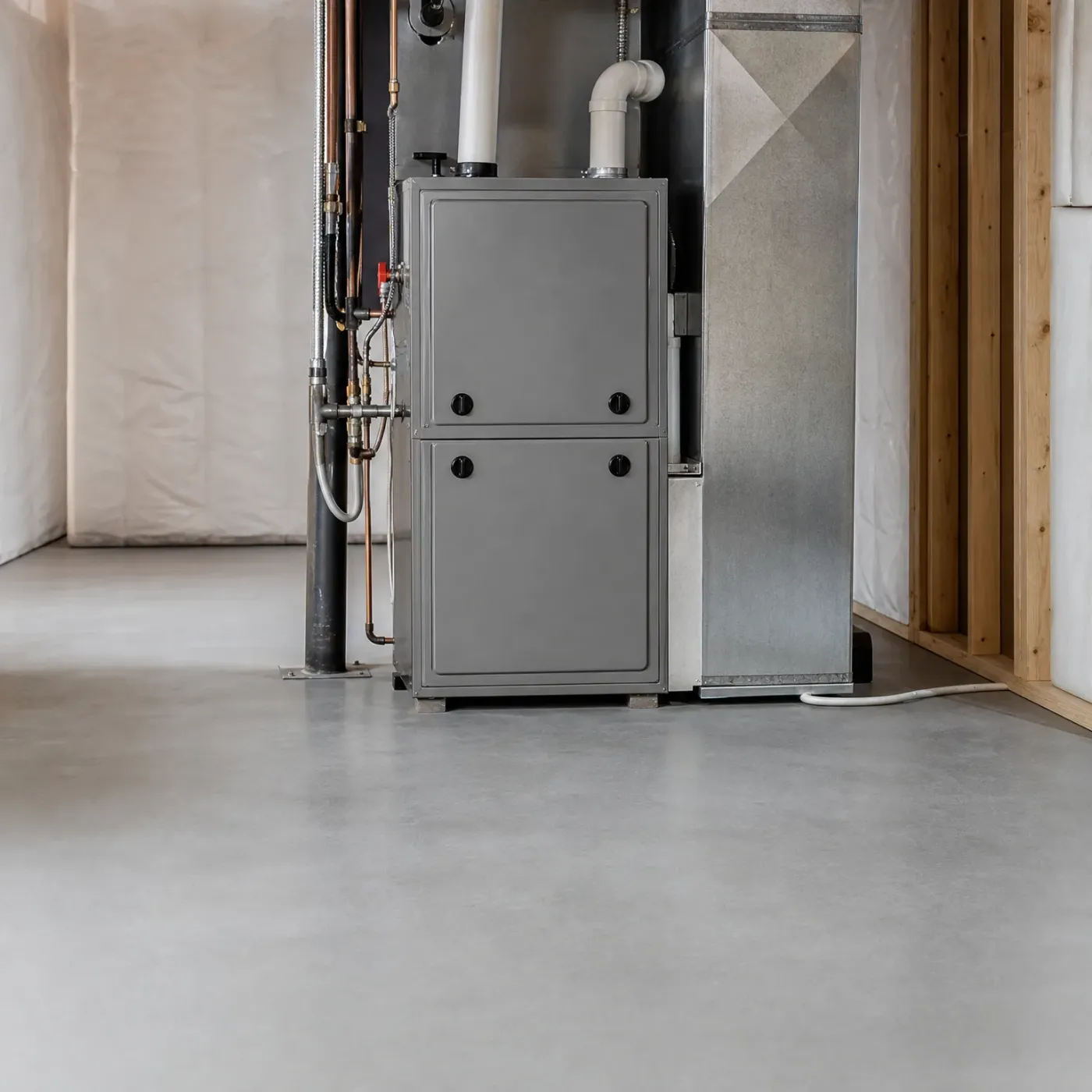
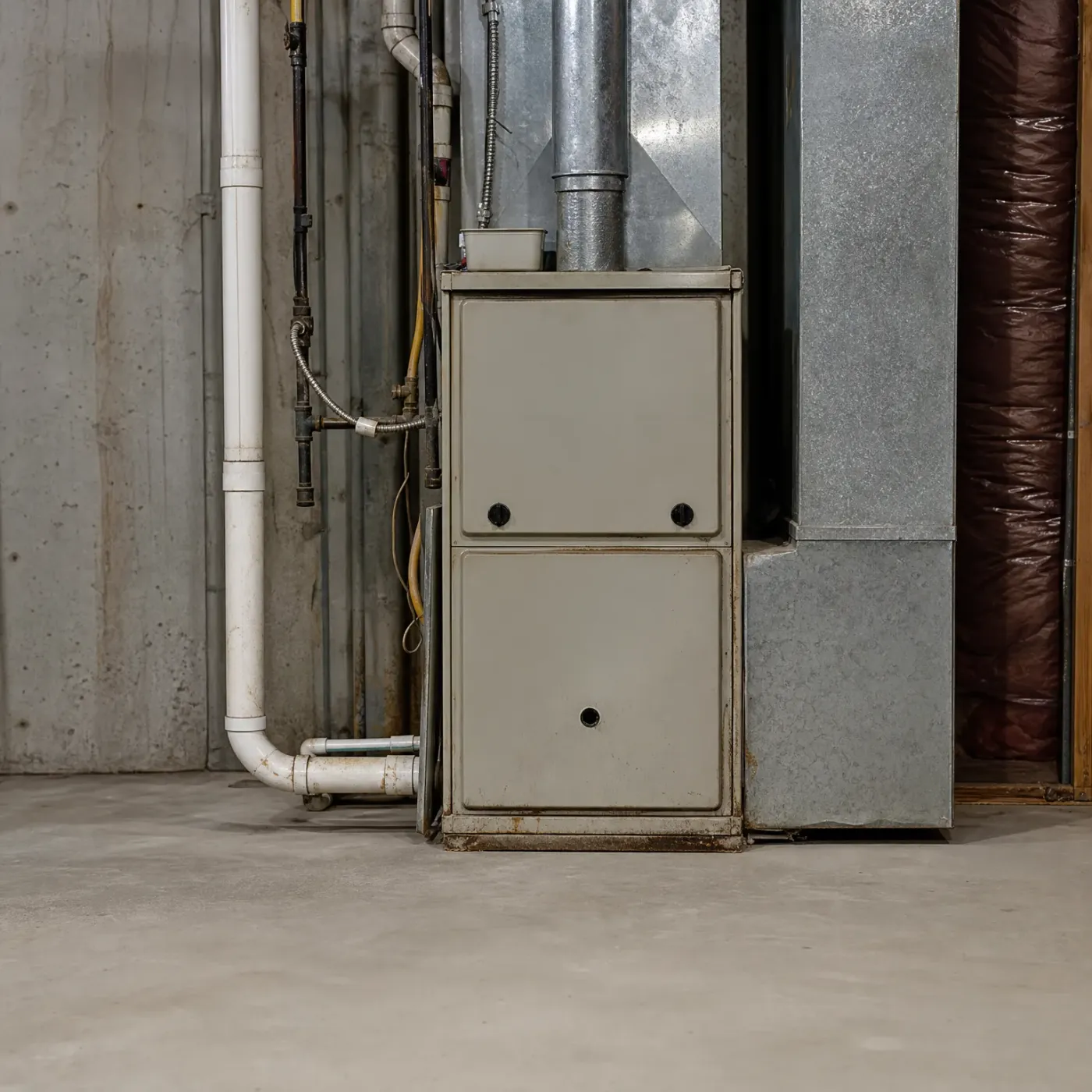
You probably hear it right when the burners light, a thud from down in the cabinet, sometimes hard enough to feel through the floor. It might happen every cycle now instead of once in a while. You may also notice the furnace trying a couple of times before it catches, a short pause, a click, then the bang. Some homeowners catch a faint gas smell right before it fires. Left alone, that repeated small explosion is hard on the burner assembly and the heat exchanger, and a cracked heat exchanger is a safety problem, not just a repair bill. With Pennsylvania winters, this isn't something to let ride until spring.
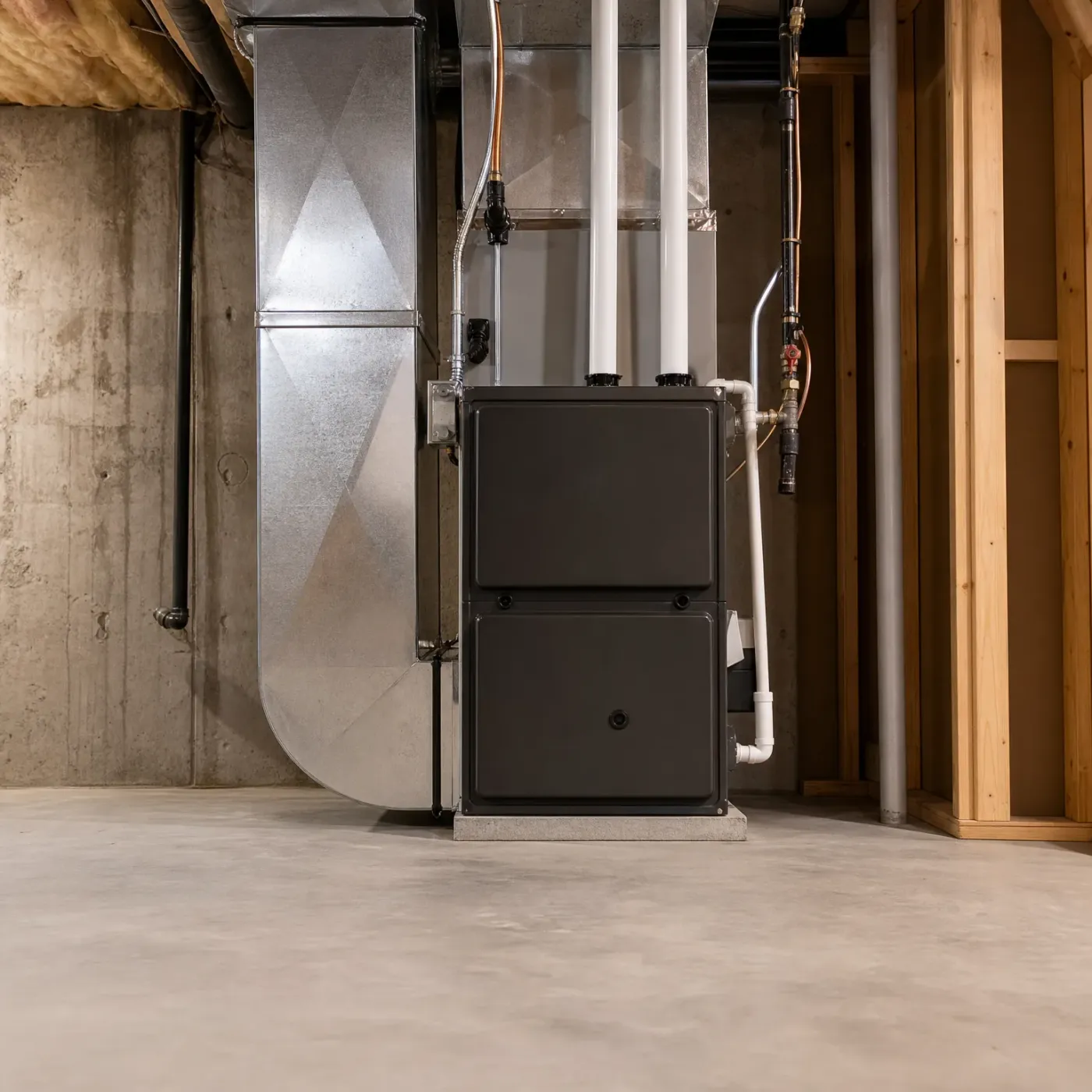
Burners catch the instant the igniter glows. No delay, no pooled gas, no bang. The cabinet stays quiet because nothing is building up before it fires.
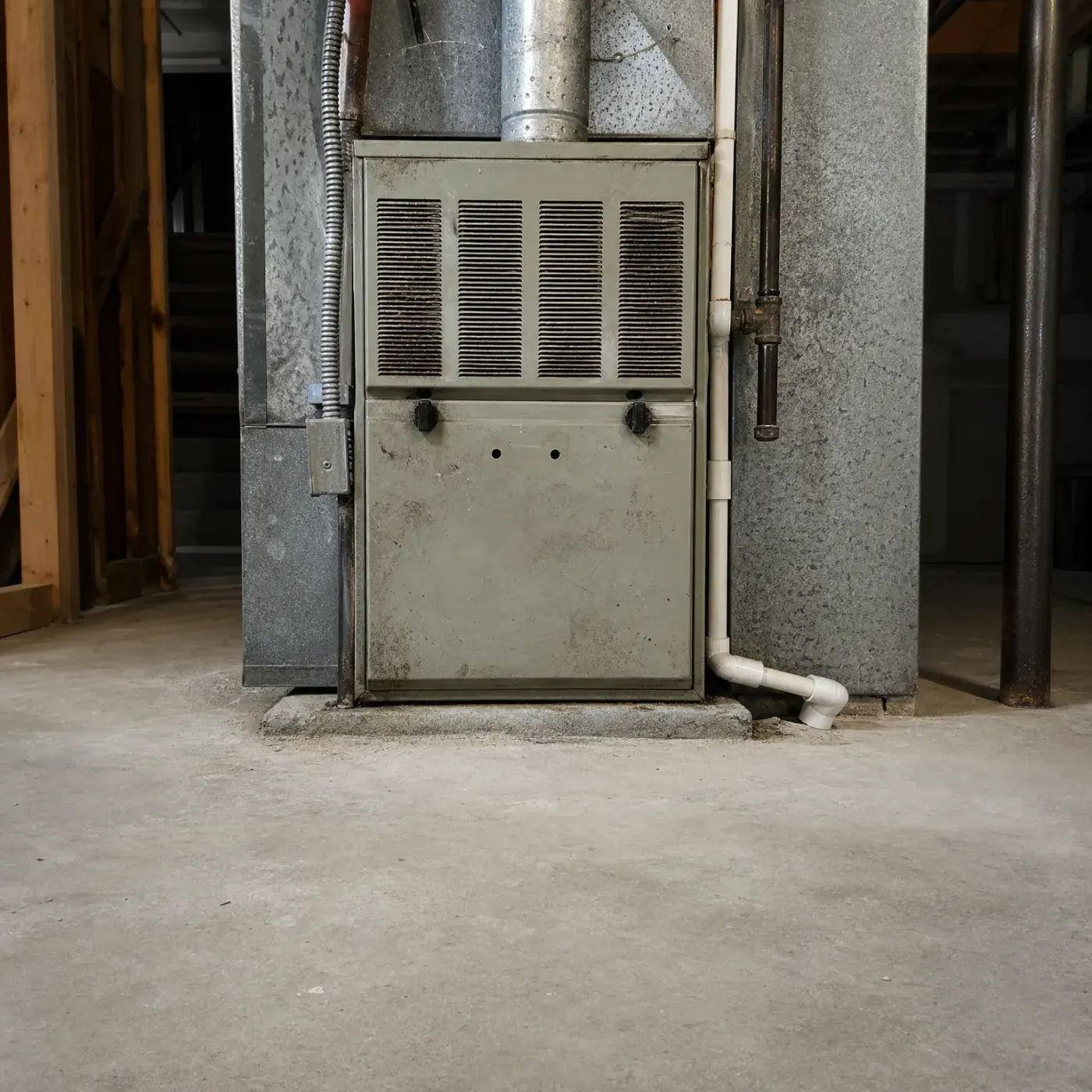
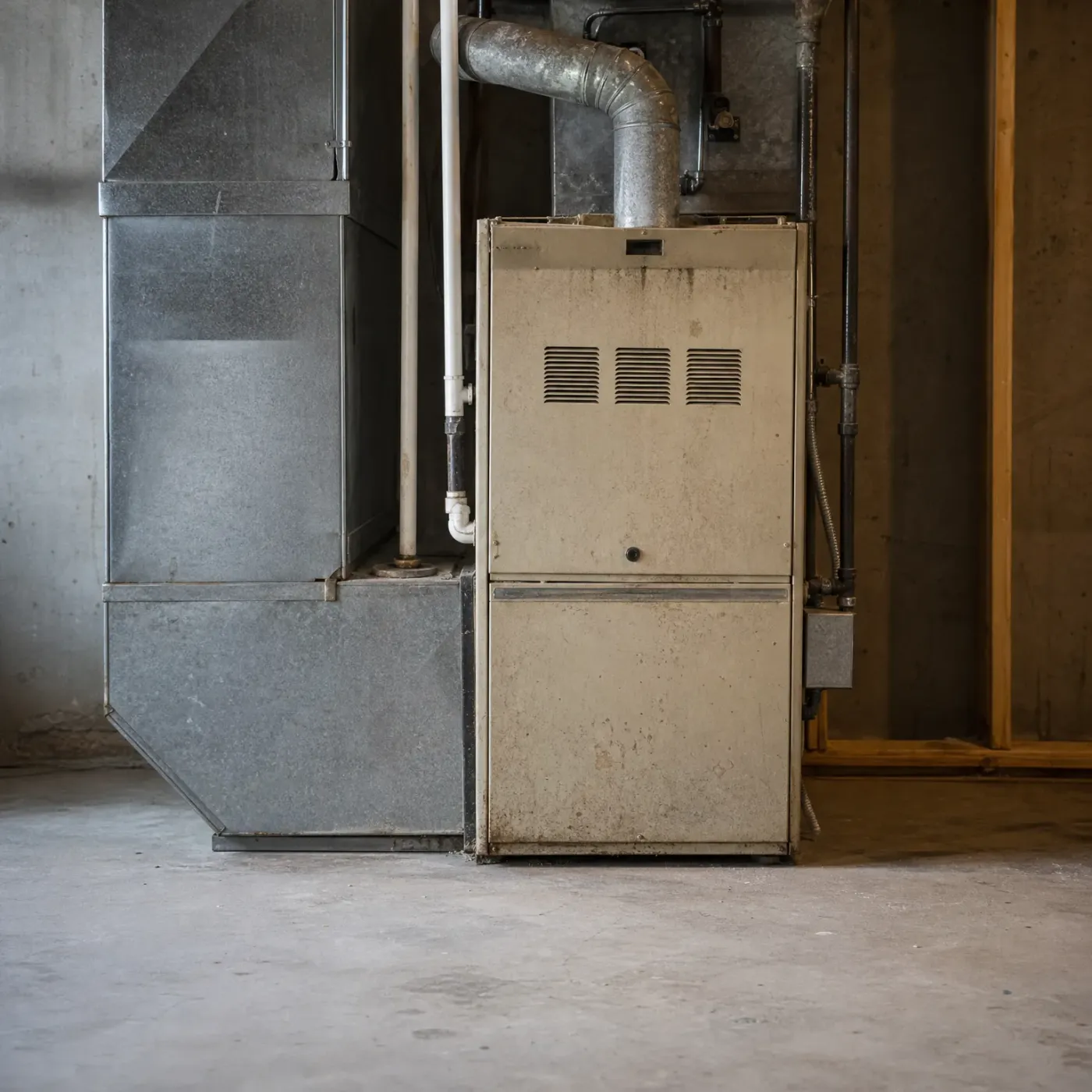
Rust has worked into the burner compartment, the same moisture that corrodes metal is fouling the ports gas needs to pass through. That rust is why the flame catches late instead of right away.
Describe your furnace job once, to one pro.
Send the request and finding a pro stops being your problem.
You only hire the pro if you want to.
You've heard the bang a few times now and you're trying to decide if this is something to deal with tonight or something that can sit until the weekend. Pennsylvania winters don't give you a lot of slack to be without heat, so before you call anyone you want to know if you're looking at a safety problem or just an annoying noise.
A single bang at startup, with the furnace heating fine after that, is a furnace that needs its burners cleaned, not one that's about to fail. The gas that pools before ignition burns off safely inside the sealed burner chamber, that's what the bang actually is. What turns this into an emergency is a gas smell, soot around the cabinet, or a bang so hard it rattles the ductwork. Short of that, you can run the furnace through the rest of the week, but the delay that's causing the noise won't fix itself. Left alone, a dirty burner tends to get dirtier, and the bang usually gets louder, not quieter, as the season goes on.
Thermostat calls for heat and the inducer motor starts first
Igniter heats up or sparks to get ready for gas
Gas valve opens and fuel flows into the burner chamber
Clogged ports or rust slow the gas from reaching the flame
On a 23°F night your furnace is running long, steady cycles to keep up, which means more chances for that delayed ignition to bang before it catches. The colder it gets outside, the more often you'll hear it.
NOAA nClimDiv 1991-2020 county normals weighted by homes
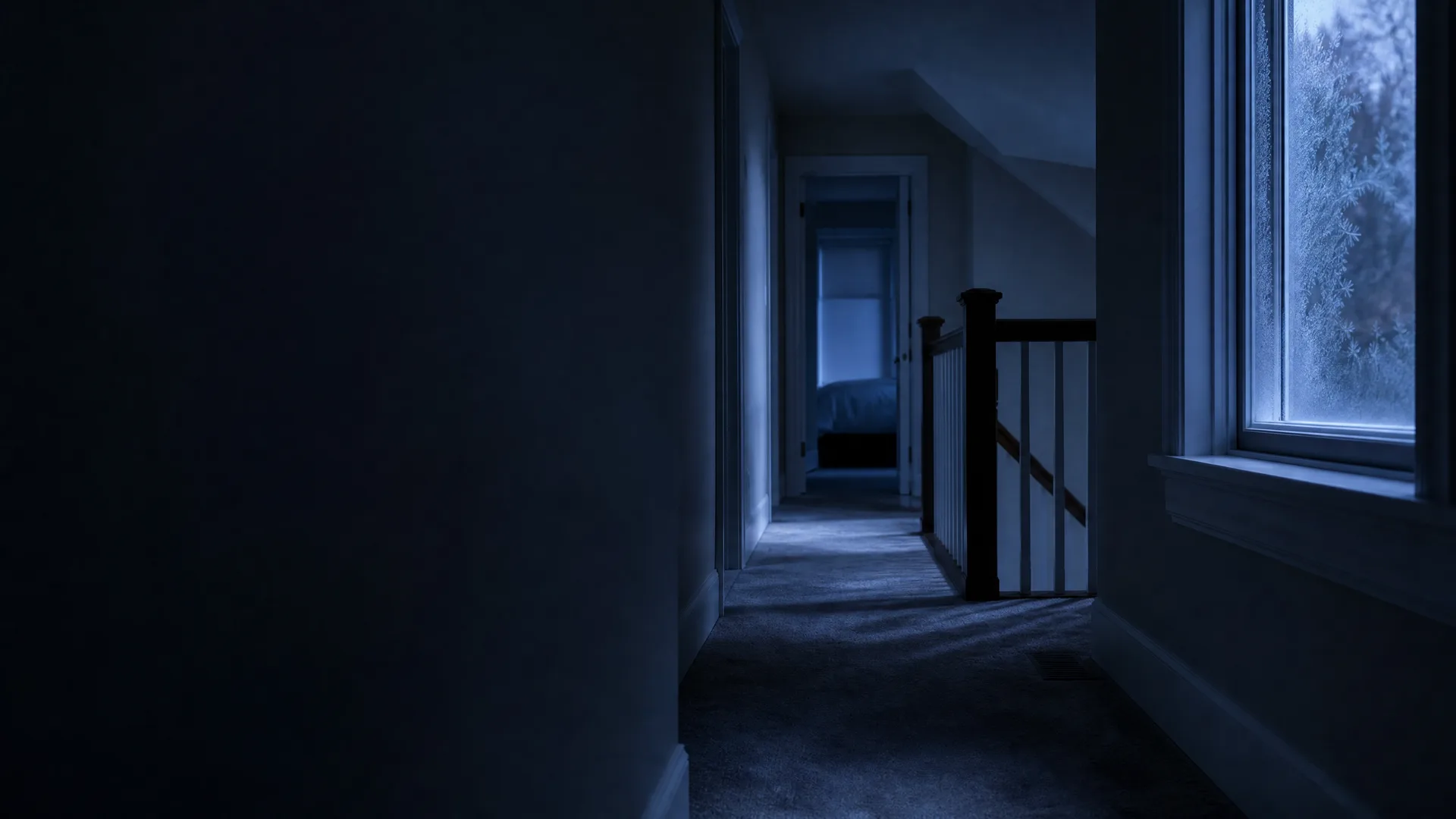
It's 2 a.m. and 23 degrees outside. You wake up to nothing, no hum from the vents, no rush of air, just the house settling into the cold. Then the bang comes up through the floor, loud enough that you felt it before you heard it. You lie there in the dark waiting for the next cycle to start, watching frost creep along the edges of the hallway window. The vent by your feet stays silent a beat too long before the air finally pushes through. You already know you're not getting back to sleep until the house warms up again.

The bang you're hearing is gas lighting late, and that doesn't go away on its own. It gets worse as the burner ports clog further or the flame sensor keeps reading low. A furnace that bangs in November is one you'll be dealing with on the coldest night of January if nothing changes.
Finding someone qualified to look at a gas furnace isn't something you should have to do at 2 a.m. in the cold, scrolling through listings and calling numbers that don't pick up. Once you send the form, you're done with that part. No more comparing quotes or explaining the same noise to three different people. Someone who works on furnaces for a living takes it from here.

Fill out one short form instead of calling around.
Asking costs nothing, and the choice to hire stays yours.