
A quick burn-off smell
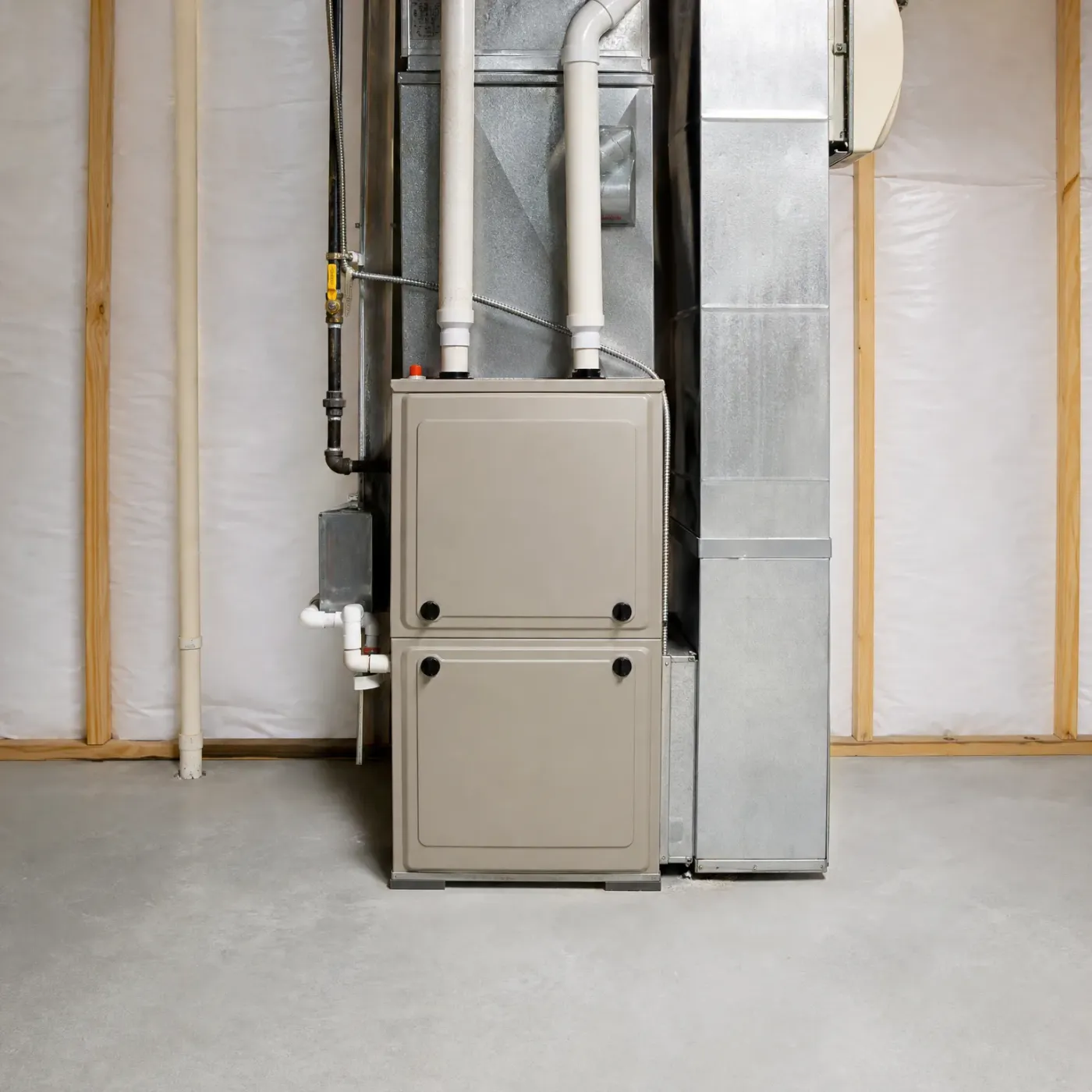
This is dust sitting on the heat exchanger from months of sitting idle, burning off once the burners fire. It fades within an hour and doesn't come back on the next cycle. No smoke, no sharp edge to the smell, just warm dust.
A burning smell from your furnace usually means dust burning off the heat exchanger, and that's normal for the first run of the season. If it keeps up after an hour, or smells sharper, like hot plastic or electrical burning, that's different. A furnace that's been sitting idle all summer collects dust on the burners and blower, and the first real cold snap in Pennsylvania is when you'll smell it. Plastic or electrical smells point to a wire rubbing against the cabinet, a motor bearing going bad, or a cracked component overheating. Since most homes here heat with gas, a burning smell paired with headaches or a sick feeling in the house is worth treating as urgent, not routine. Shutting the furnace off and having someone look at it before you run it again is the safer call. Catching this now, while it's still a smell and not a bigger failure, is exactly the kind of thing that saves you a harder repair in January.
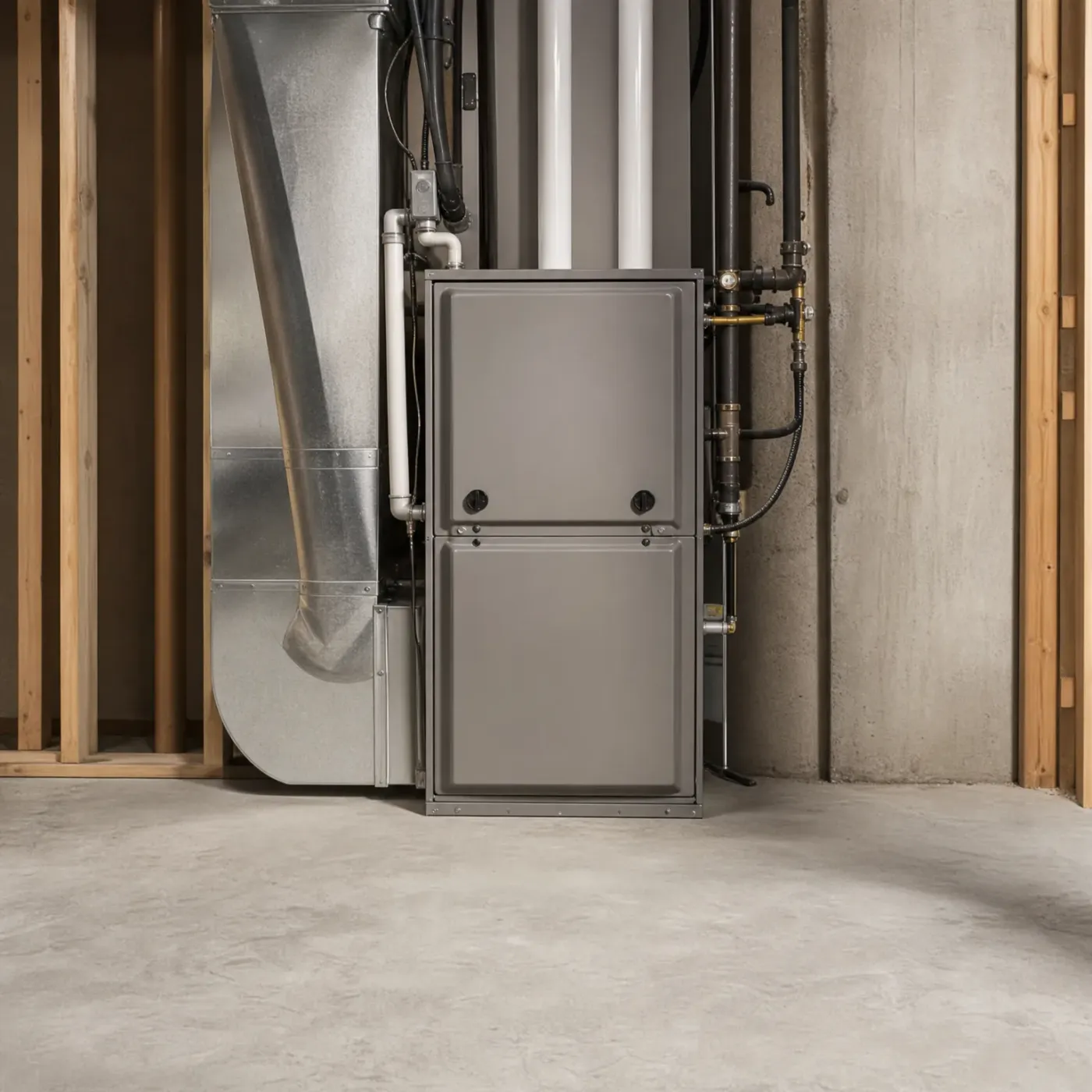
This is dust sitting on the heat exchanger from months of sitting idle, burning off once the burners fire. It fades within an hour and doesn't come back on the next cycle. No smoke, no sharp edge to the smell, just warm dust.
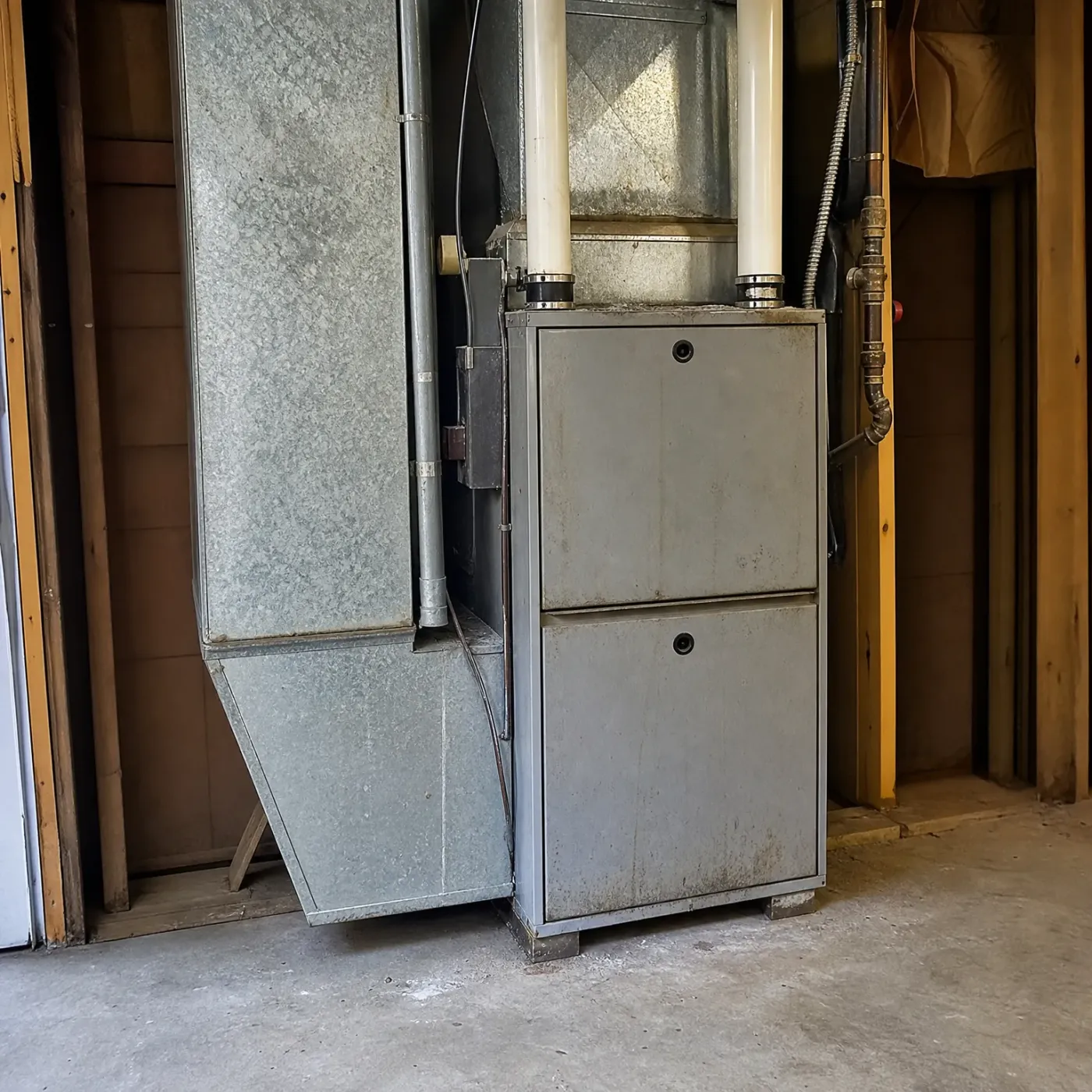
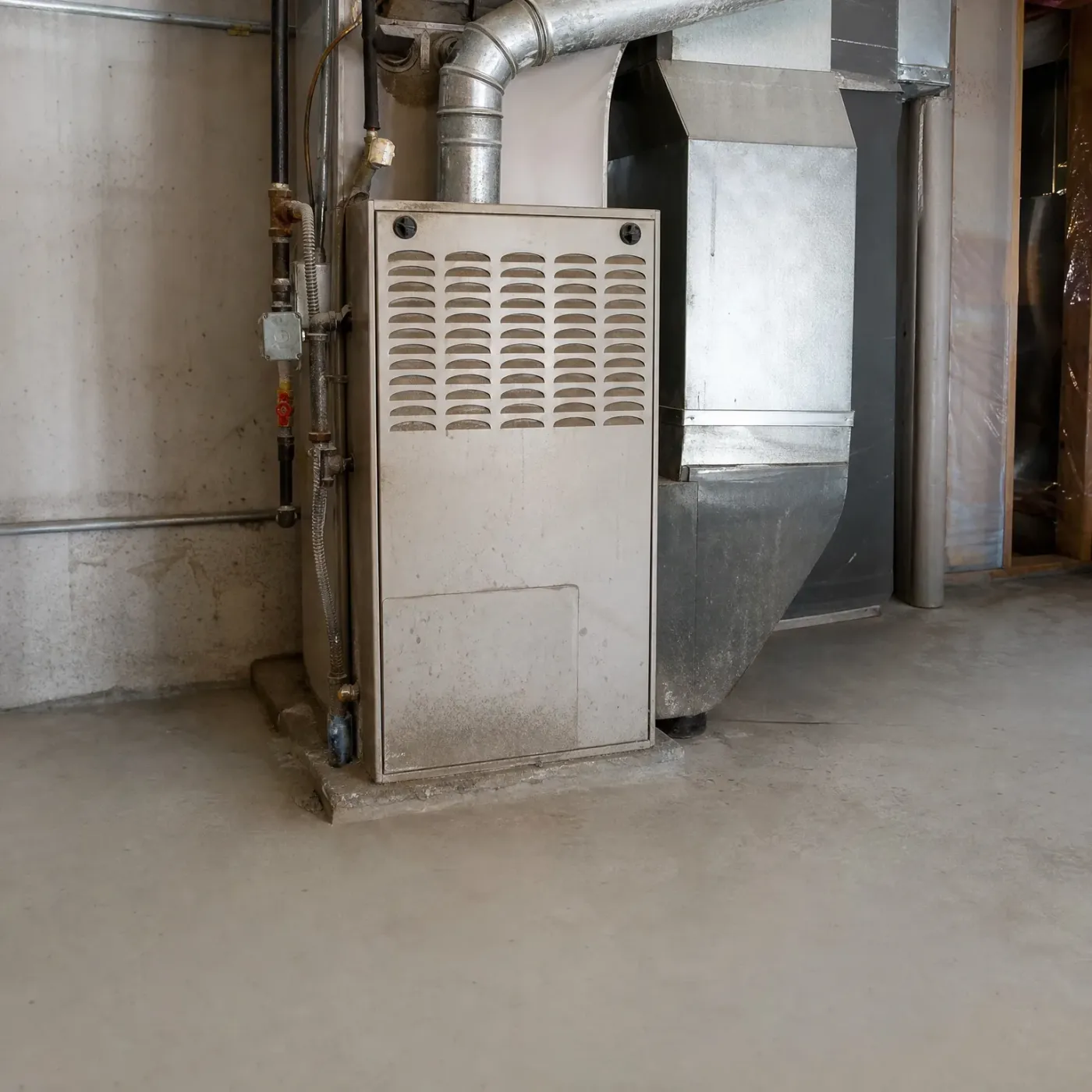
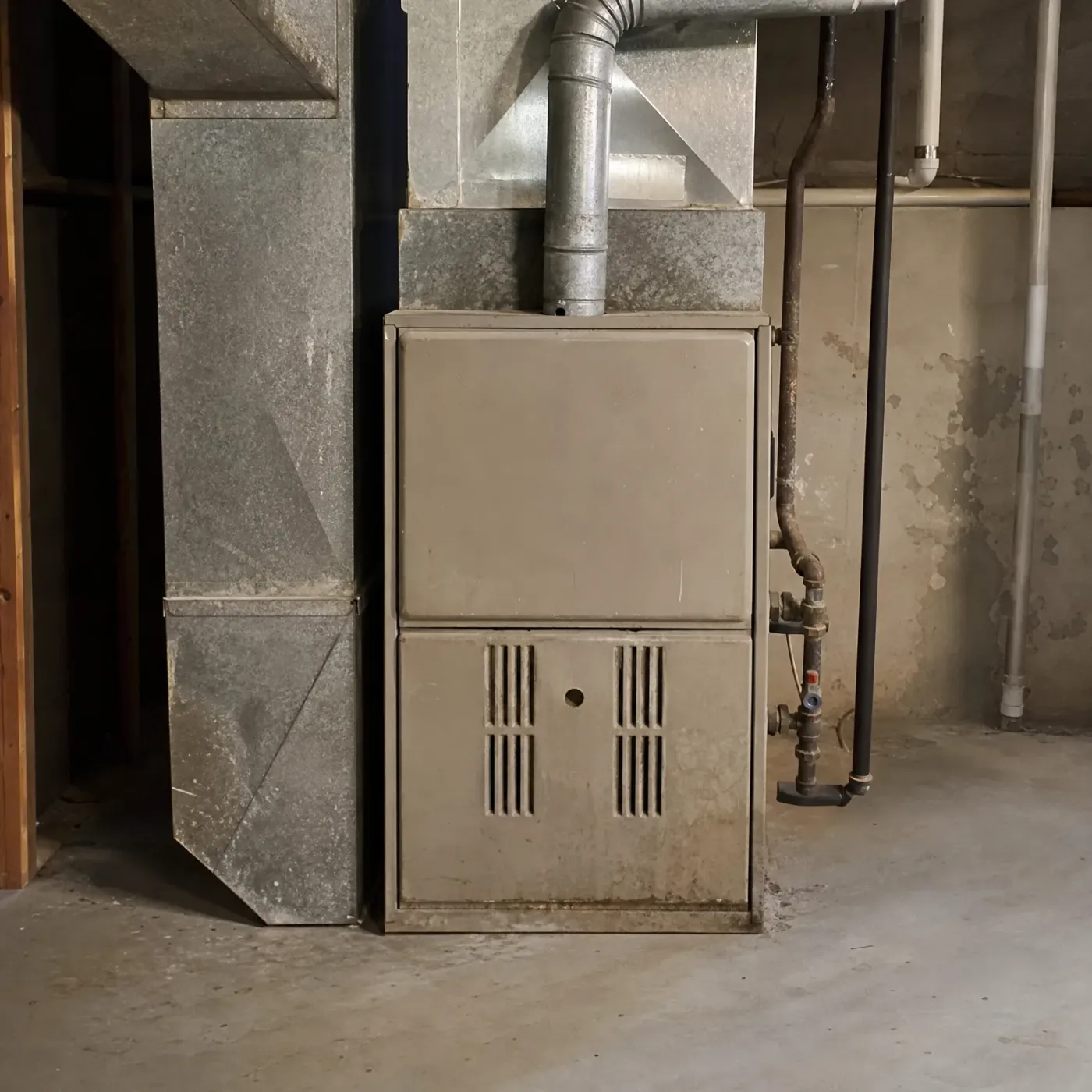
An older furnace like this one, with surface rust on the cabinet, can have a smell that means something is actually failing inside, a cracked heat exchanger or a wiring problem near the blower. If it smells like hot plastic or stays sharp after an hour, don't wait on it.

You're probably running the furnace for the first time that night, or the first cold morning, and now there's a smell you can't place sitting in the house with you. If it's still there after an hour, or your kids are asking what that smell is, you don't want to be the one calling around to find out if it's safe to leave it running overnight.
That's the part that takes the time. Finding a contractor who answers, explaining what you smelled and when it started, waiting on a callback, then doing it again with the next name on the list. Send this one form and that search is off your plate. Someone licensed to work on your furnace gets your information and reaches out, and from there it's their job to tell you what's burning and whether it's a part or just dust.

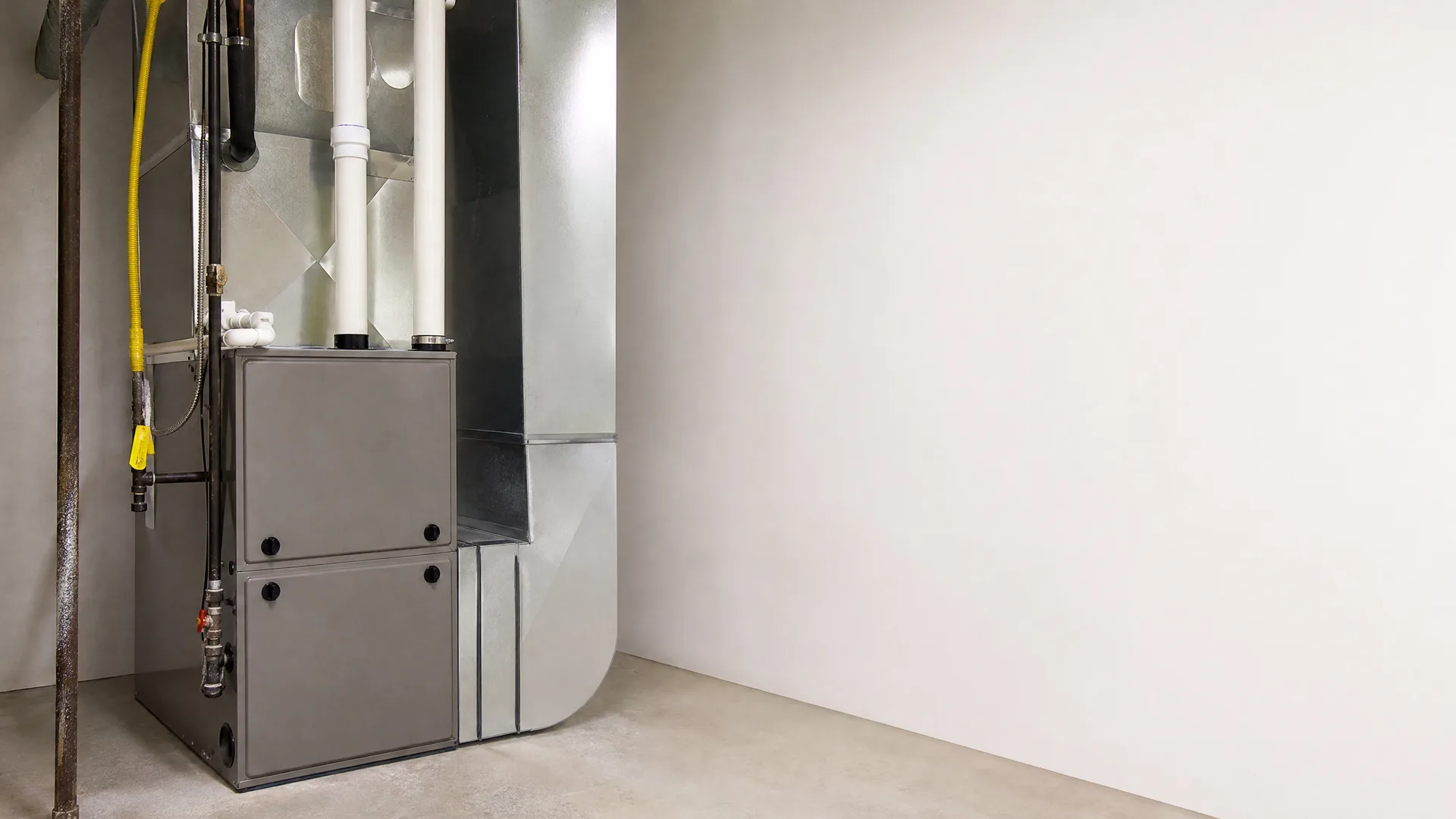
A furnace pulls the same air through its burner compartment that it pushes through your ducts. If a wire insulation is melting against the blower housing, or the igniter is arcing where it shouldn't, that smell rides the same airflow straight into your living room. It won't fade like dust does. It'll hold steady or get sharper the longer the furnace runs, because the thing causing it is still there.
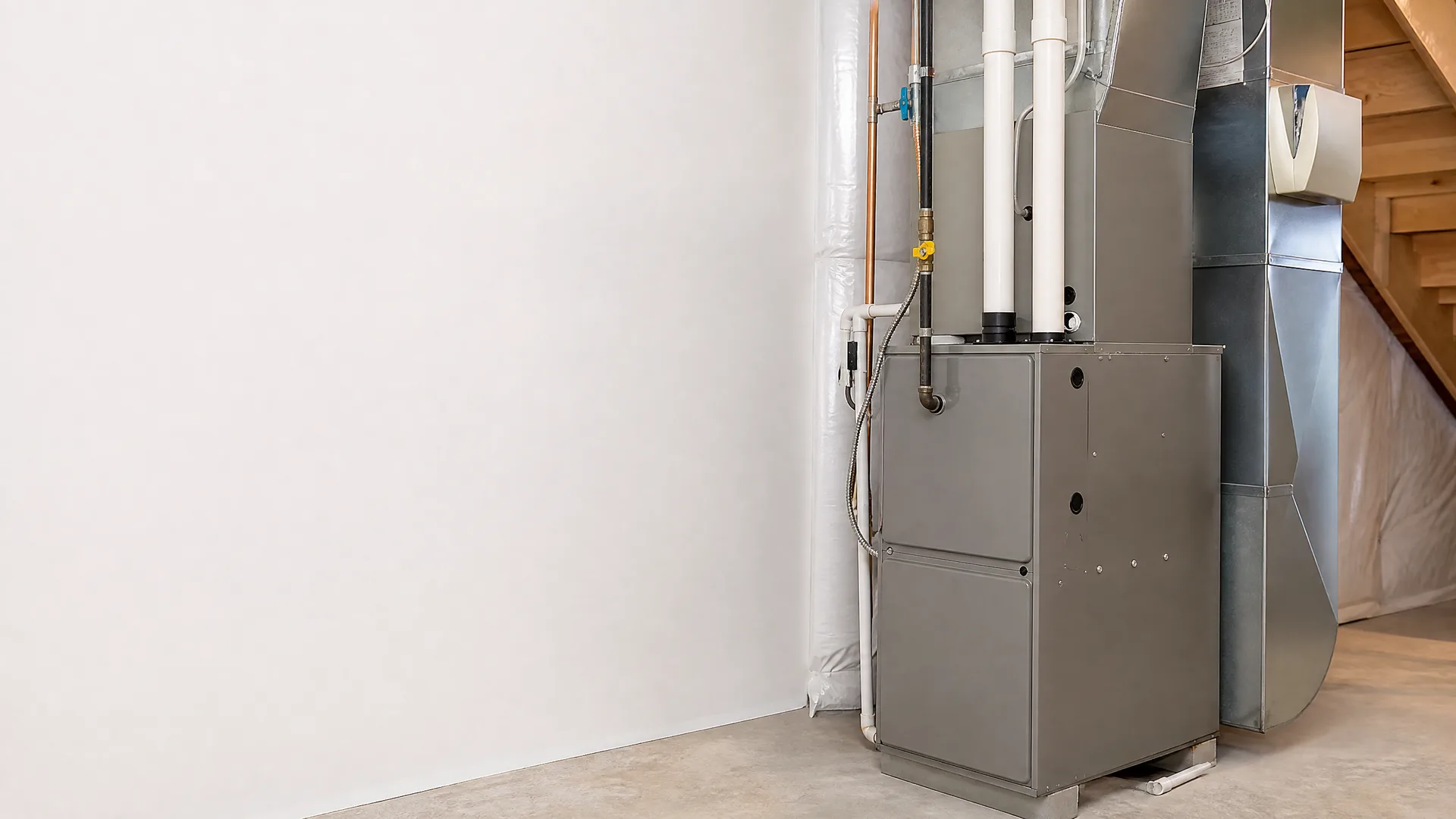
Pennsylvania winters push a furnace hard from November through March, and every extra cycle on a bad igniter or a cracked heat exchanger wears the part faster. A small electrical fault caught early is a part swap. Left running for weeks, it can take out a control board or the blower motor with it, and with power rates here, a furnace that short-cycles or runs longer to compensate shows up on the bill before it shows up as a breakdown.
At 23°F, your furnace is running most of the night, every night, December through February. That's a lot of cycles on the igniter and the heat exchanger. If a burning smell shows up now and doesn't fade, it's worth a look before the cold snap after this one.
NOAA nClimDiv 1991-2020 county normals weighted by homes
Keep running it while you watch the smell
You could end up losing heat on a night in the 20s, then you're calling around in the cold trying to find someone who'll actually pick up, instead of having that sorted before it comes to that.


A burning smell that won't quit means something is wrong inside the furnace, and Pennsylvania gas prices make it worse to guess at the fix. You could spend an evening calling contractors, explaining the smell to each one, waiting to see who calls back, then comparing quotes before anyone even looks at the unit. That's an evening you don't get back, on a night when the house is already getting cold. Sending the request here means you describe it once, to one contractor, and then it's off your plate. No calling around at 9pm trying to find someone who answers. No repeating the same details to three different voicemails. Your furnace still needs a look, that part doesn't change, but finding the person to look at it stops being something you have to manage tonight. With how hard winters run here and how much gas costs to heat with, a furnace that smells wrong isn't something to sit on while you work the phone yourself.




Burners fire and the heat exchanger starts warming up
Blower motor switches on and pulls return air across it
Any dust or residue on the metal starts to burn off
Smoke and odor travel into the duct air stream
Dust burning off a heat exchanger on the season's first run is nothing to worry about. It shows up, it fades inside an hour, and it doesn't come back the next cycle. That's the whole story for most of the calls this smell generates.
Past that hour, or sharper than warm dust, the story changes. A wire insulation melting against the blower housing or an igniter arcing where it shouldn't both ride the same air your ducts carry through the house. The furnace doesn't sort that out on its own. Something inside it needs a look before it runs again.
Pennsylvania winters don't ease a furnace into the season. Once the nights sit in the 20s, that furnace is cycling on and off most of the night, every night, straight through February. A problem that's minor in October gets more runs at it in December. The smell you noticed on a mild evening doesn't wait for a better time to turn into a furnace that won't fire on the coldest night of the month.
That's the part worth acting on now rather than later. Once a furnace actually quits, the search starts cold: calling contractors one by one, explaining the same smell to each, waiting on callbacks, trying to sort who can actually get out to you. Sending one form now means that search is already done by the time you'd otherwise be starting it, on a night where waiting is the worst option you have.





Answer a few questions instead of calling shop after shop.
You're not committing to anything by asking.