One call for heat that won't come on
A gas furnace that won't ignite usually needs a hands-on check of the igniter, flame sensor and control board. That's diagnostic work, not a guess over the phone.
A pro who works on furnaces
A furnace that won't start on a cold Pennsylvania morning usually comes down to a short list of causes, from a tripped switch to an igniter that's given out. This page walks through what to check first and what points to a repair, so you know what's going on before anyone comes out. If it's beyond a quick fix, you can get matched with a licensed local contractor who works on furnaces all winter.
Match me with a proA furnace that won't fire up in cold weather is usually stopped by one thing in the chain that has to happen for it to run. The thermostat has to call for heat, the switch and breaker have to be on, the igniter has to glow or spark, and the flame sensor has to see fire once it does. If any one of those fails, the furnace does nothing, or it tries and shuts itself off. Pennsylvania winters push a furnace hard for months at a stretch, and a part that was already worn down often gives out on the coldest mornings, right when the system is working the longest to keep up. Some causes are yours to check, like a thermostat with dead batteries or a switch bumped off. Others, like a cracked igniter or a dirty flame sensor, need a technician to find and fix.
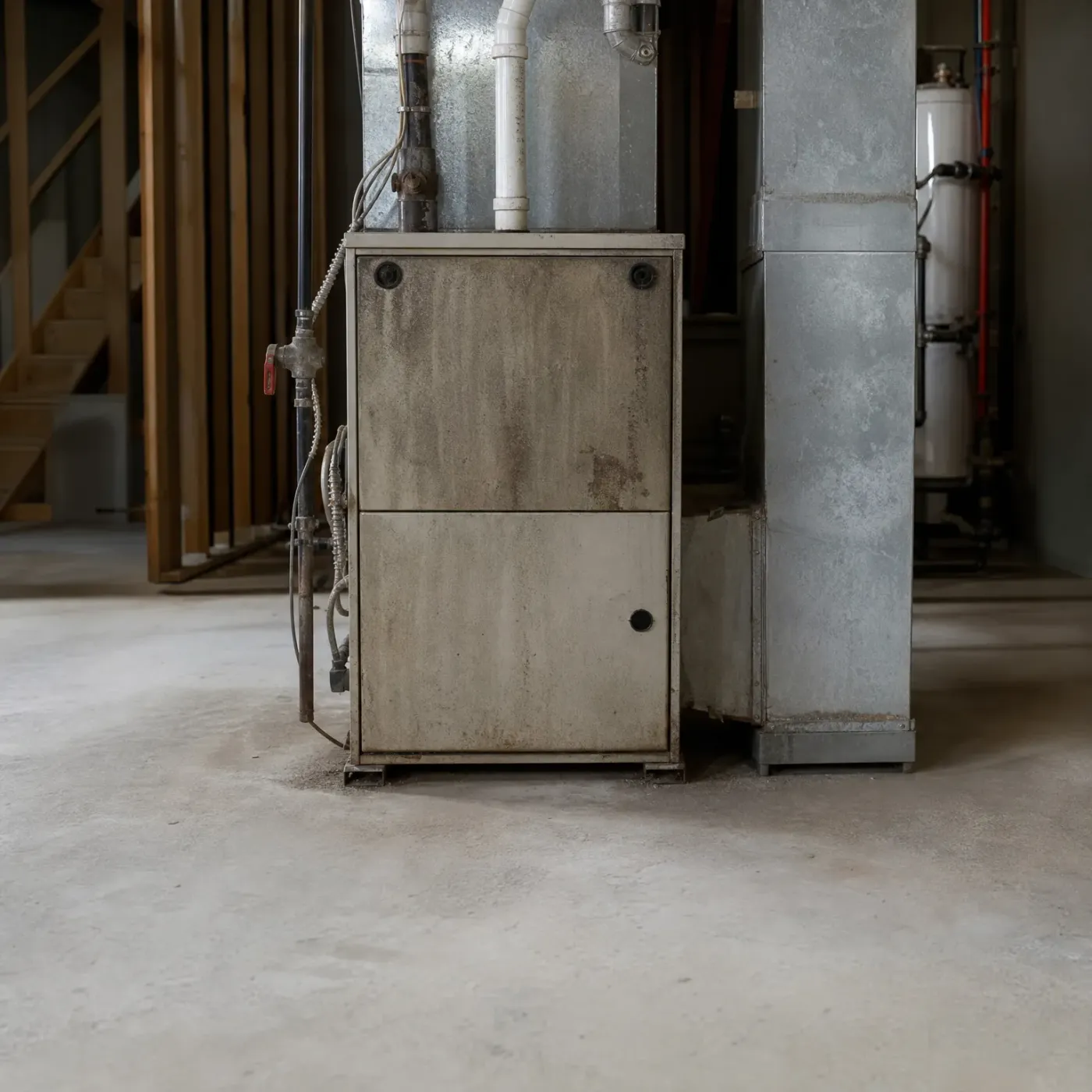
Starting a furnace is a sequence, and every step has to pass before the next one is allowed to happen. It begins at the thermostat, which sends a low-voltage signal down to the control board. That board won't do anything until it sees the signal, so a dead battery or a thermostat set wrong stops the whole process before the furnace even tries. Once the call for heat comes through, the control board starts the inducer motor, which pulls air through the vent to clear the way for a safe flame. Only after that motor proves it's running does the board send power to the igniter. A hot surface igniter takes about 30 seconds to glow hot enough, and if it doesn't reach that temperature, the gas valve never opens. Gas lights, and within a few seconds the flame sensor has to confirm there's actually a flame burning. If it doesn't, the control board cuts the gas again rather than let it keep flowing unlit. A furnace that tries this three or four times and fails each one will lock itself out. That's not a glitch. It's the system protecting your home from gas it can't confirm is burning. Even a clean start can be undone further along, since a filter packed with dust chokes airflow enough that a limit switch trips and shuts the burners down before the blower gets moving.




A gas furnace that won't ignite usually needs a hands-on check of the igniter, flame sensor and control board. That's diagnostic work, not a guess over the phone.
You're matched with one contractor near you who works on Pennsylvania furnaces all winter and knows which part tends to fail first in weather like this.
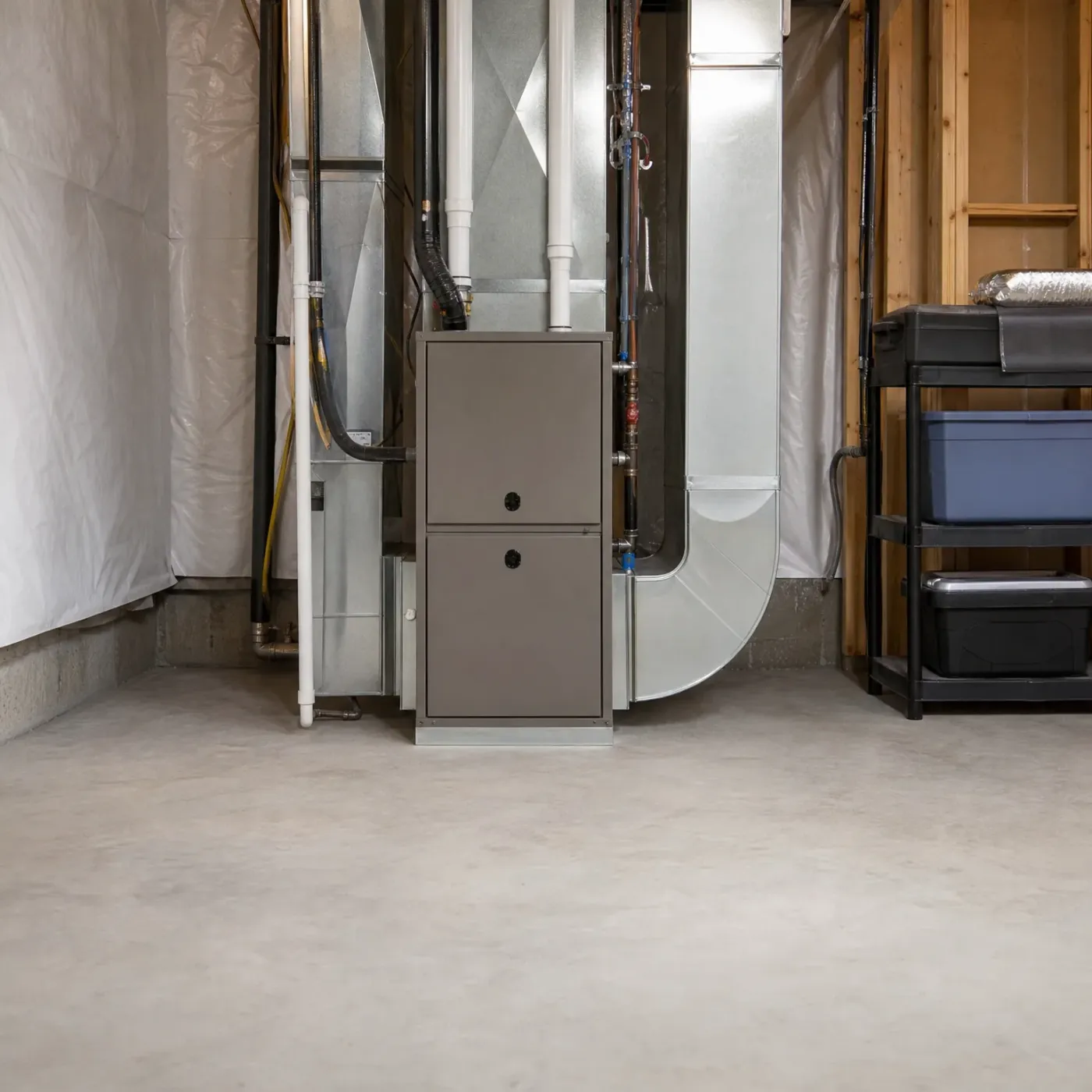
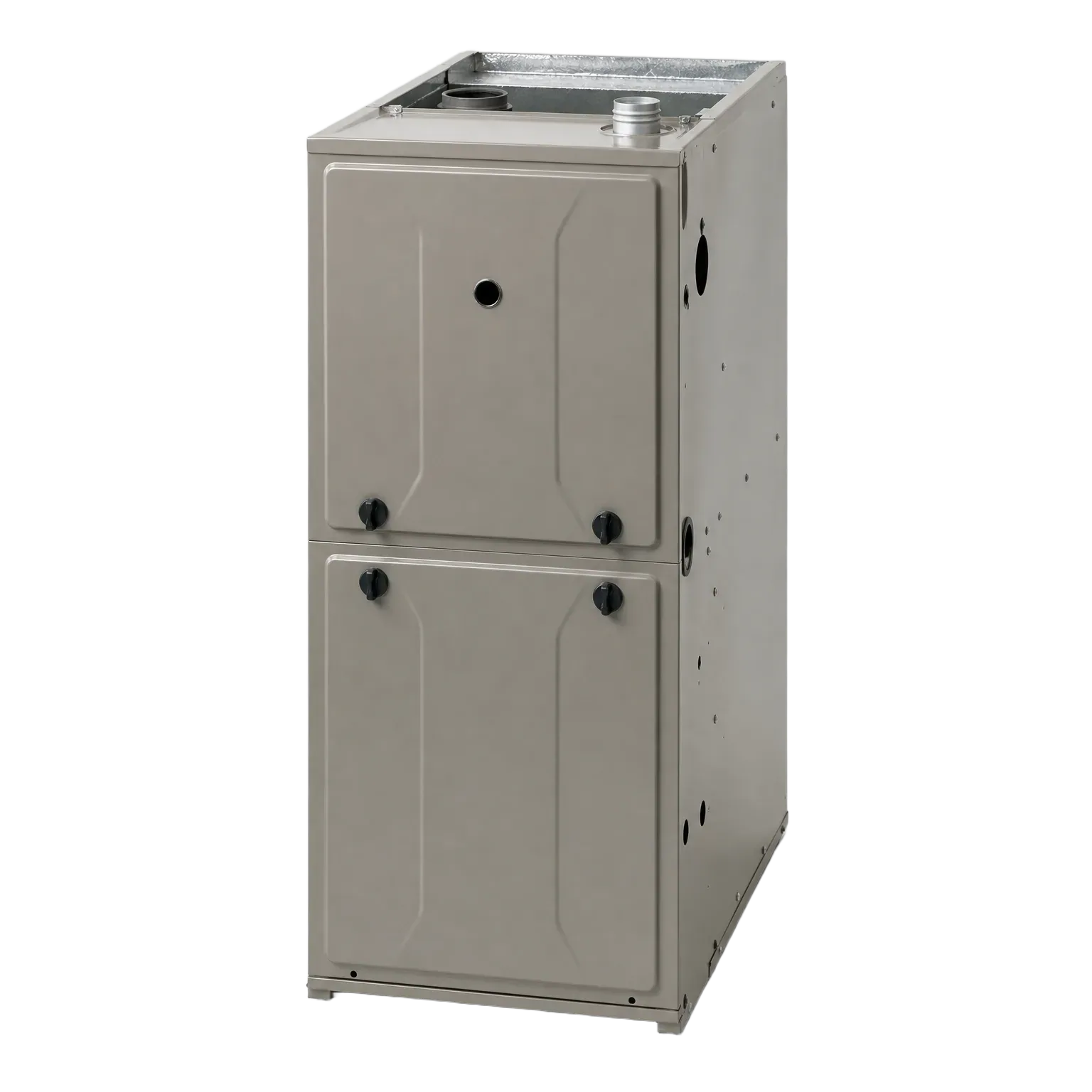
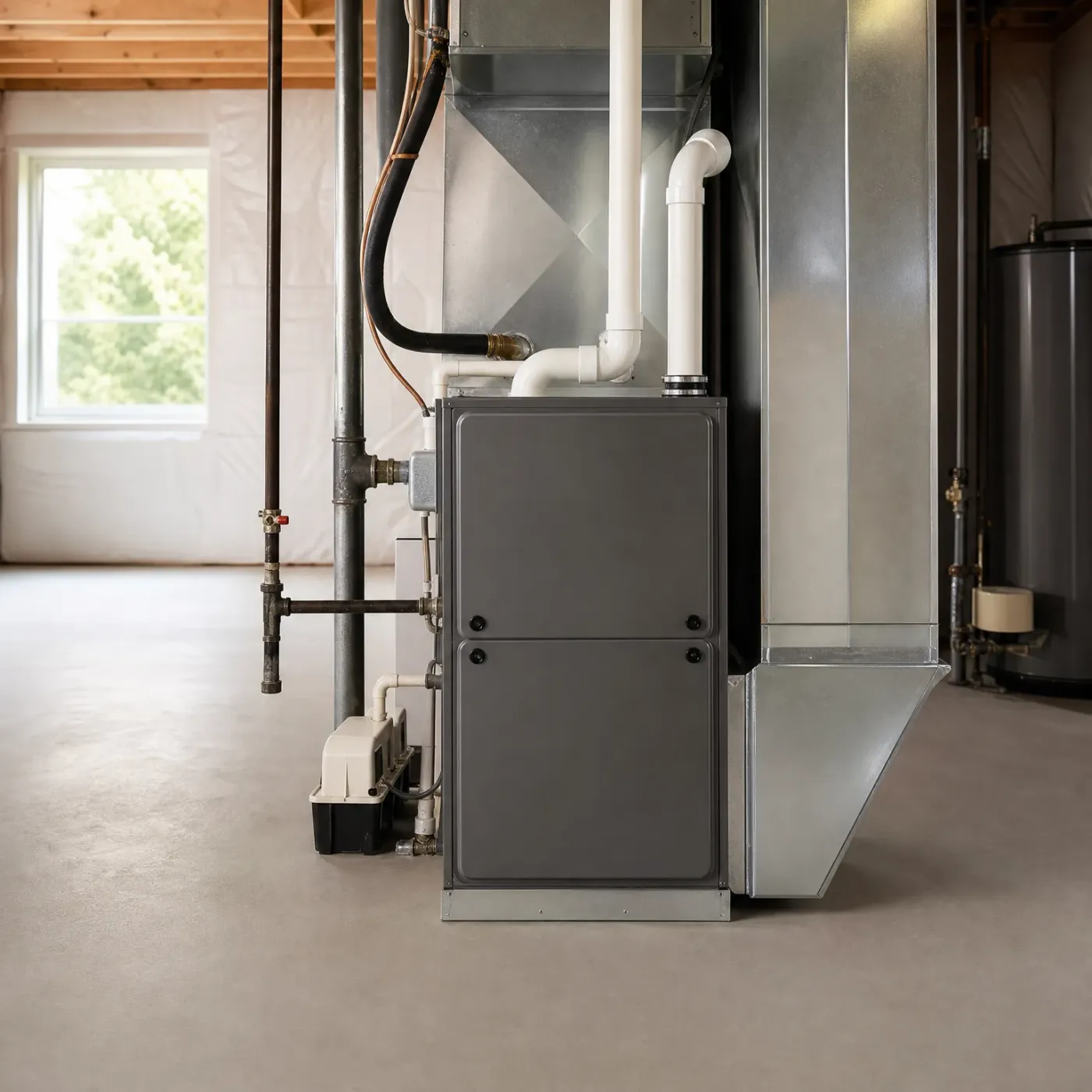
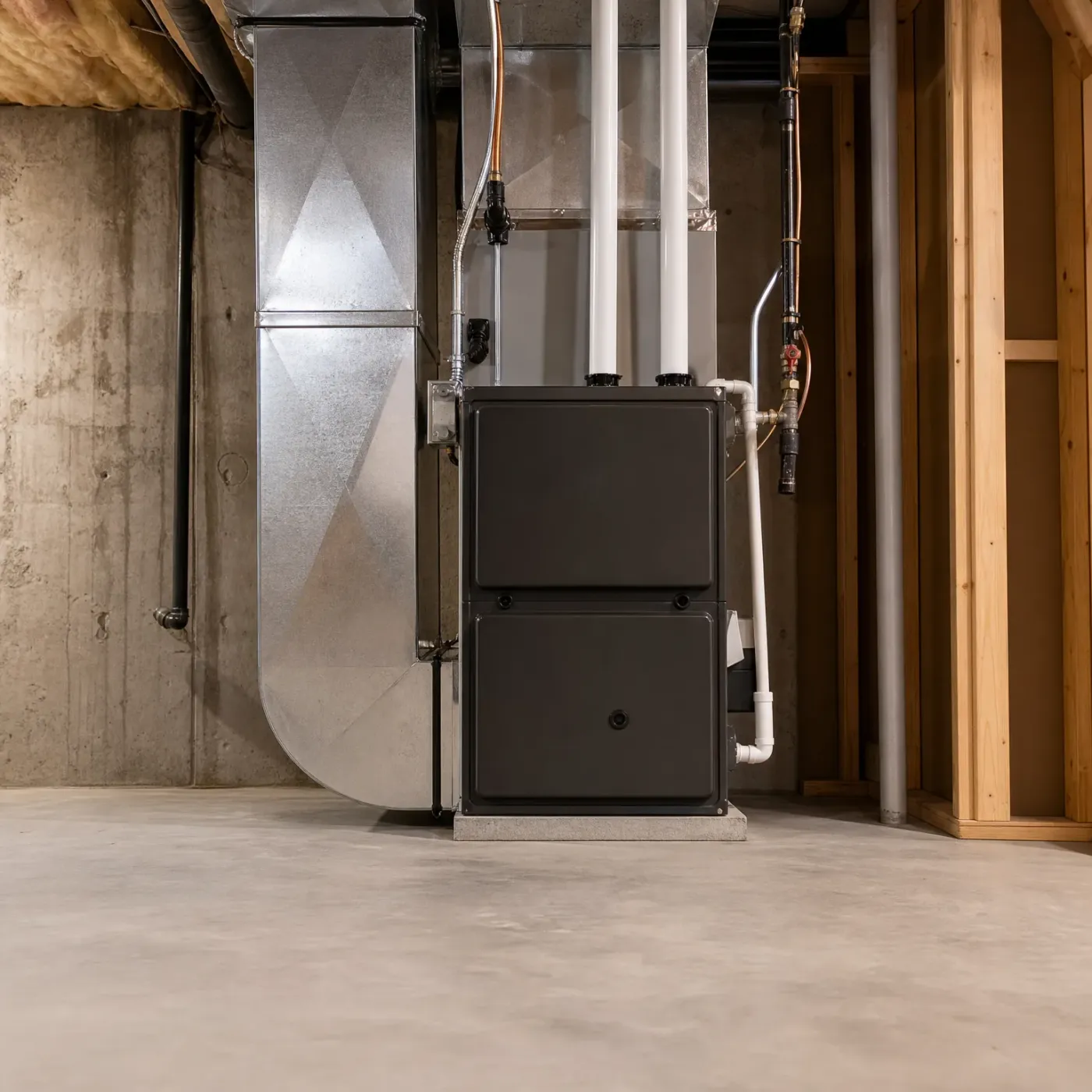
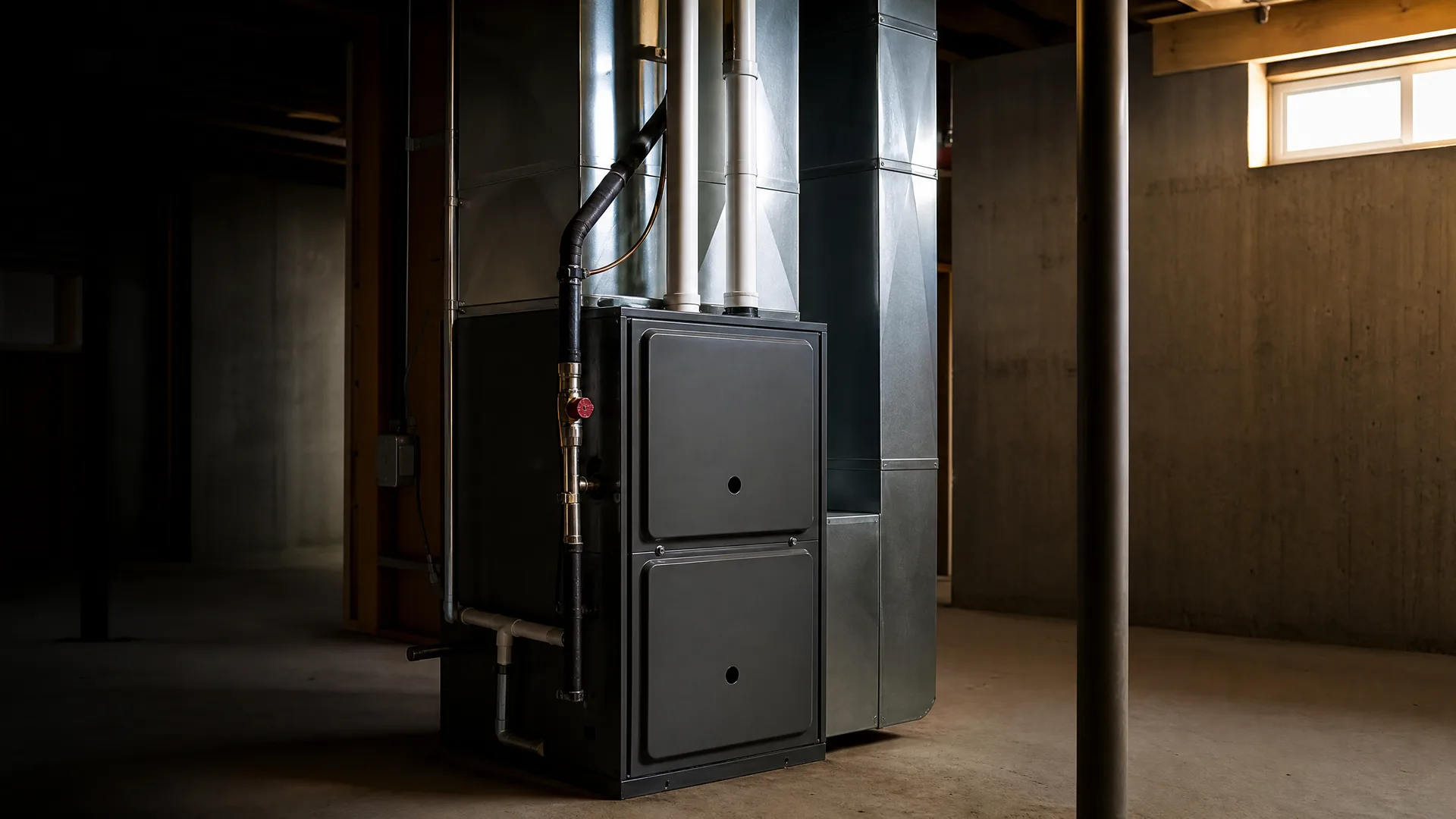
A furnace like this fires on the first call for heat, burners lighting steady under tight ductwork and clean connections. The cabinet is free of rust and the gas line and condensate pipes sit where they belong, with nothing worn enough to get in the way of ignition.
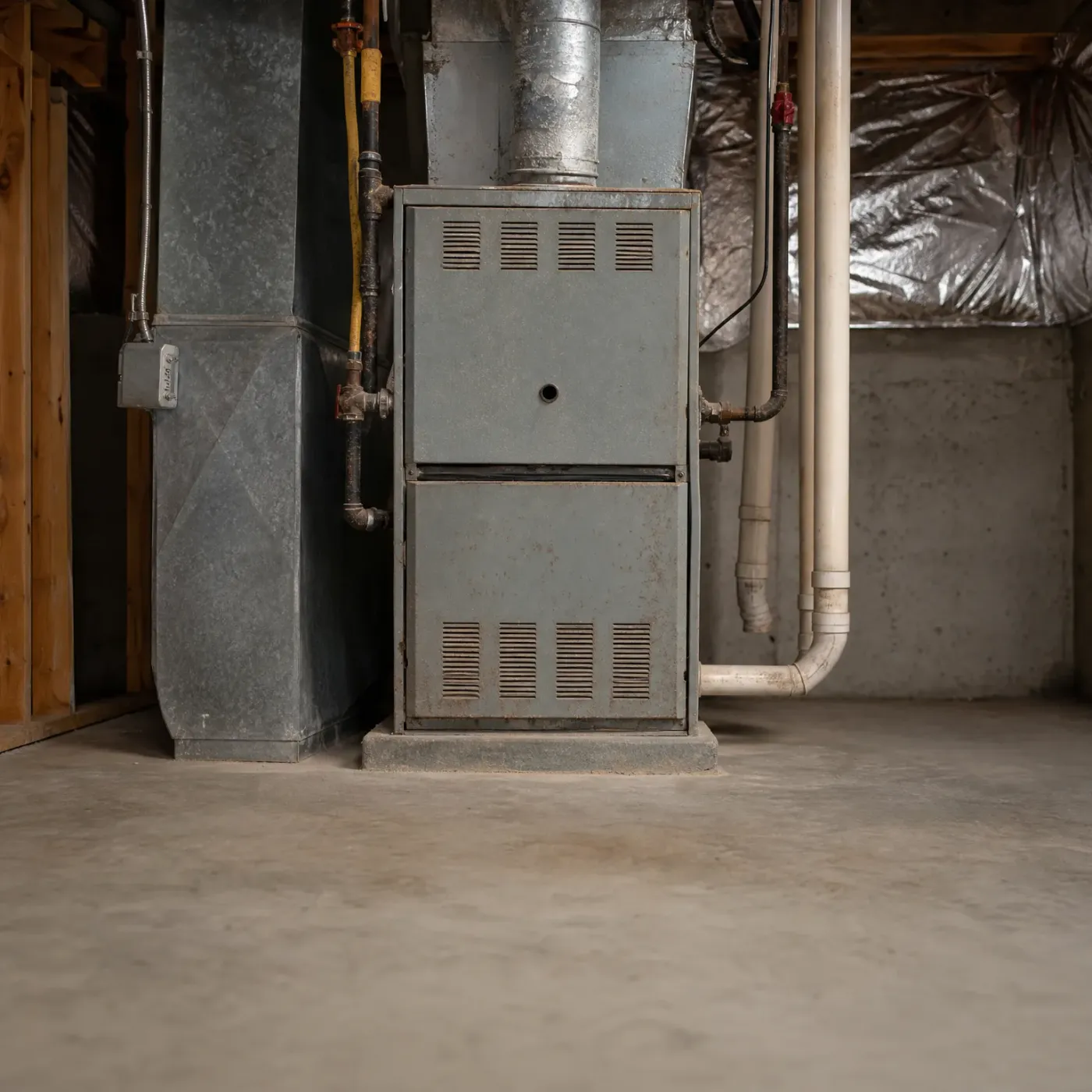
Surface rust on the cabinet and dust built up around the vents usually mean the furnace has put in a lot of winters already. That kind of wear often shows up next in the parts that have to work for every single ignition, the igniter or the flame sensor, before it shows up anywhere you can see.
You bump the thermostat and nothing answers back. No hum from the cabinet, no click, no rush of air from the vents. Maybe you hear the inducer motor try and quit, or a few sharp clicks as the igniter attempts to light and fails. Some rooms feel colder than others, or the whole house is slowly losing ground to a Pennsylvania morning in the 20s. If this drags on, pipes in an unheated basement or an exterior wall are the real risk, along with everyone in the house layering up indoors instead of getting warm. A furnace that stays off isn't pacing itself. Something in the chain stopped it, and it needs a look before the cold settles in further.
Thermostat calls for heat and sends power to the control board.
Control board checks the limit switch and safety circuits first.
Inducer motor starts pulling air through the vent pipe.
Pressure switch closes once the inducer proves enough airflow.


Your request goes to one pro, not a list of companies.
You're not committing to anything by asking.
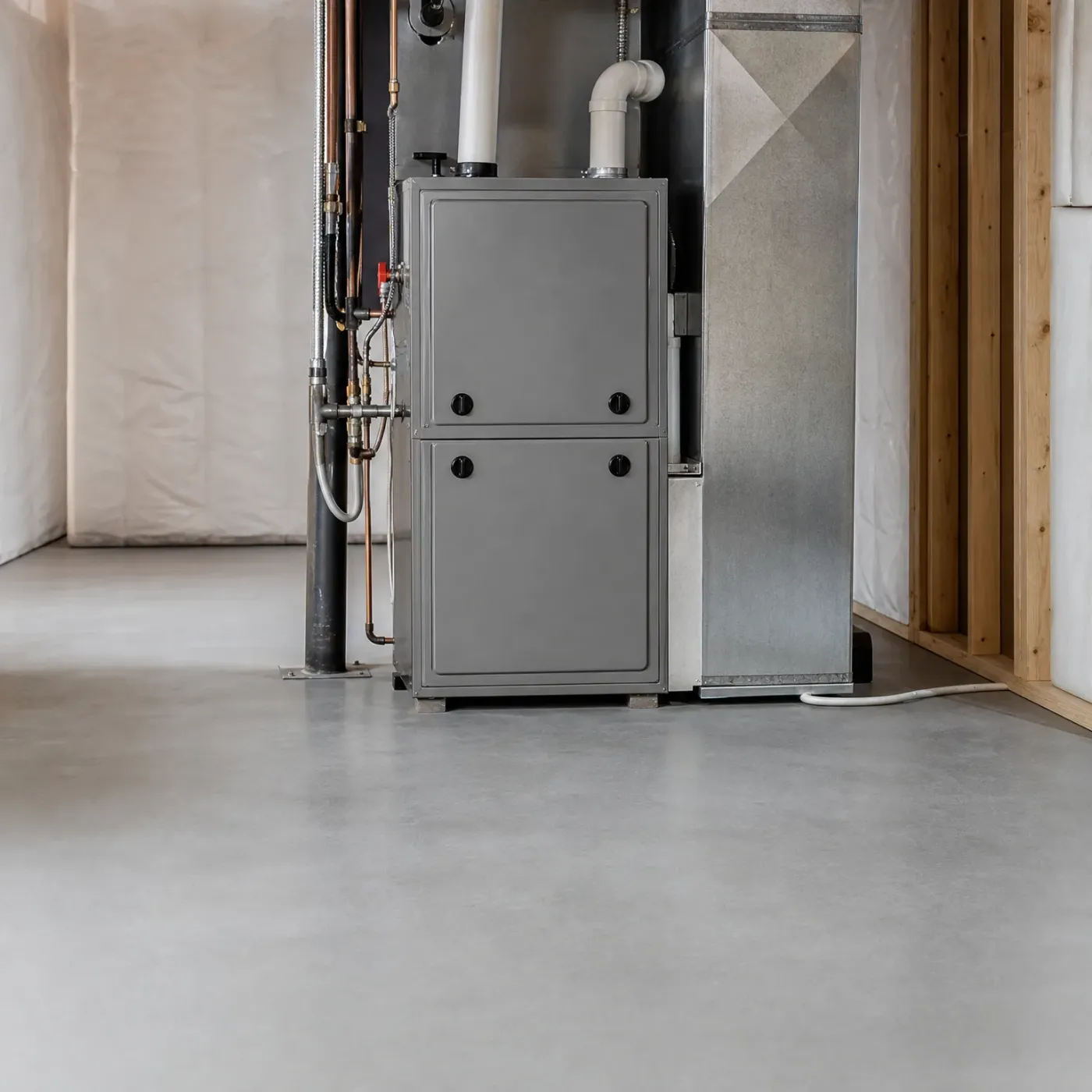
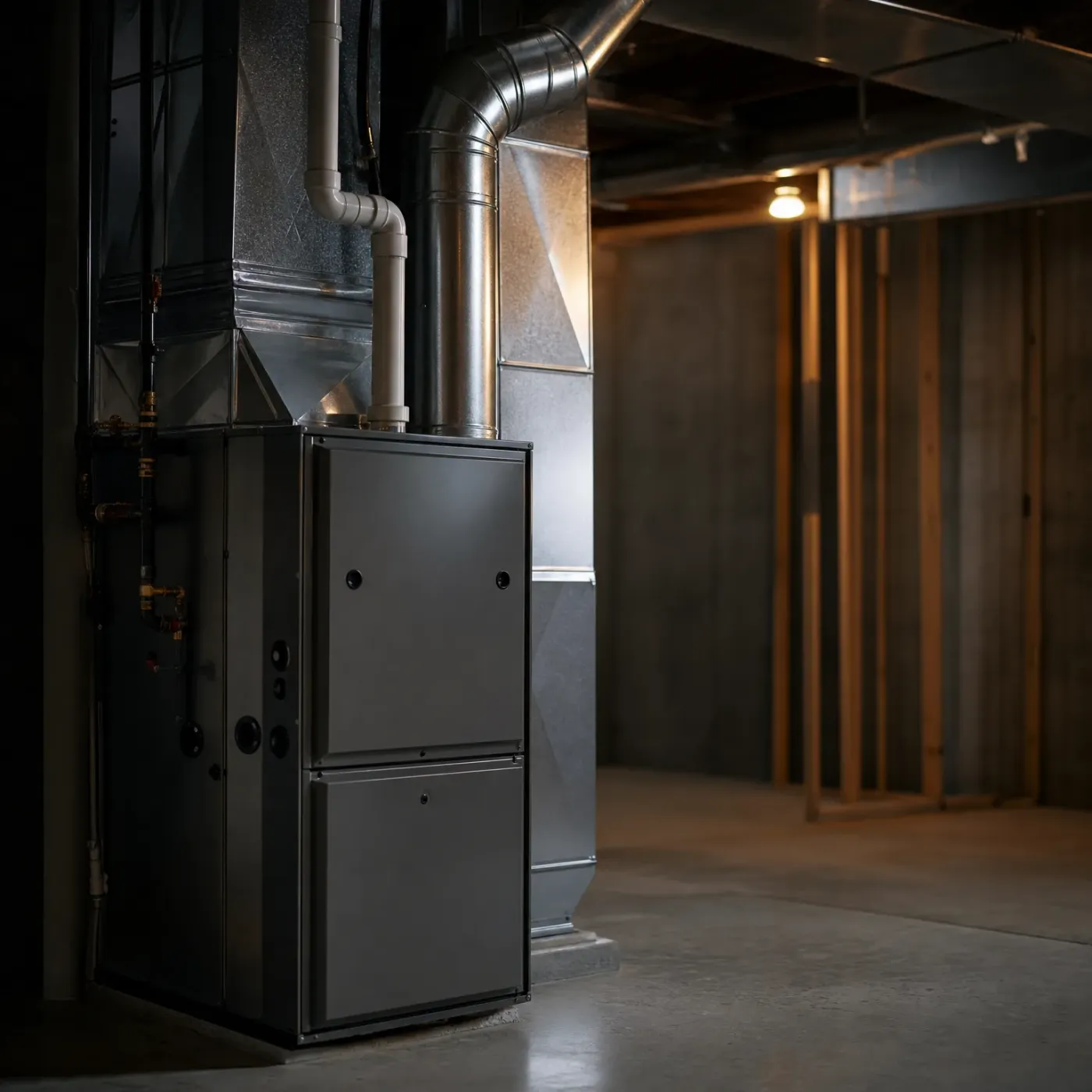
This furnace fires without hesitation, the cabinet clean and the gas and condensate lines running straight along the wall. Nothing on it points to a problem waiting to happen. When the thermostat calls, it answers.
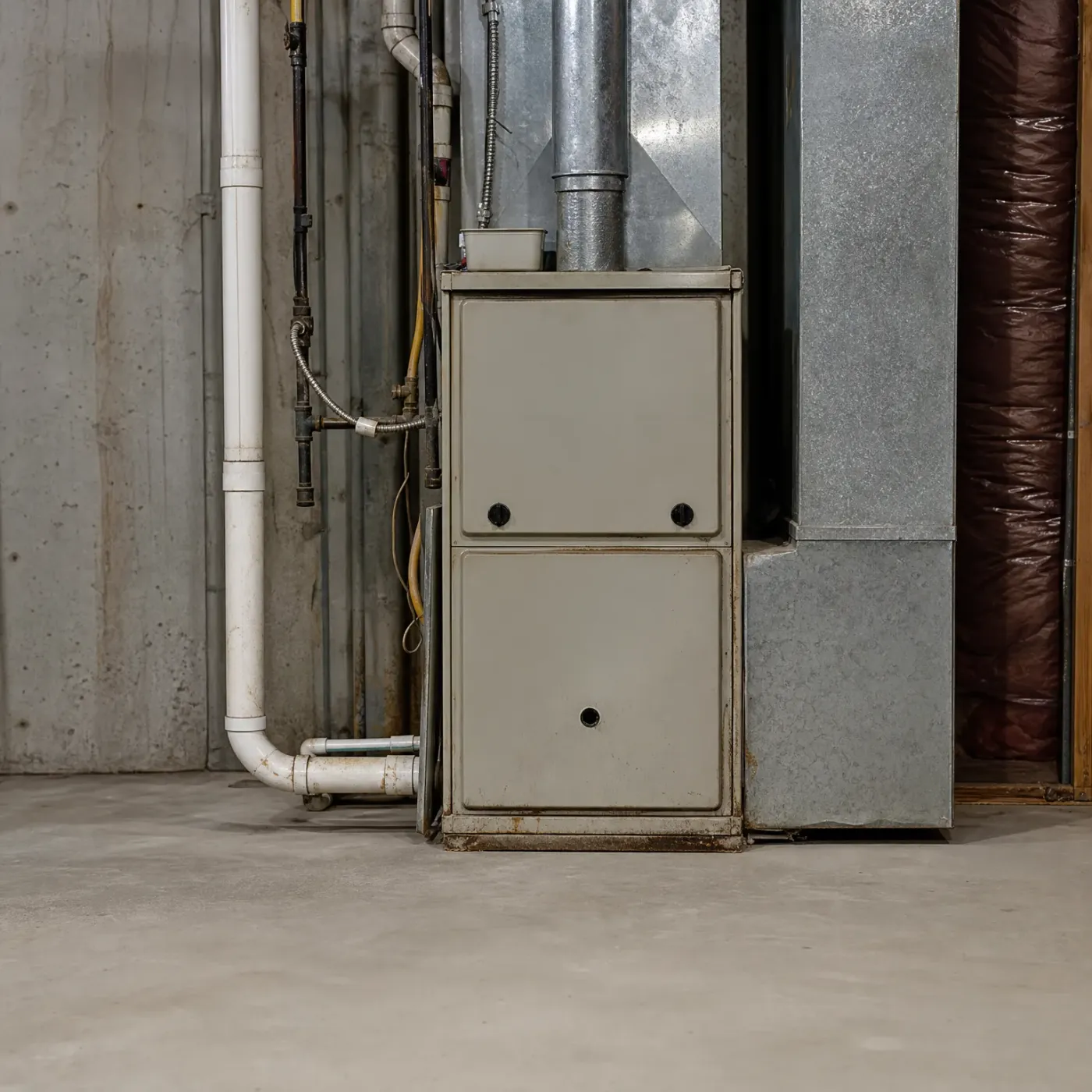
Rust on the cabinet and worn piping don't stop a furnace from running on any given day, but they tell you parts inside have been through a lot of winters. An igniter or sensor in a furnace like this is closer to the end than the start.
You hear the furnace try, a few clicks from the burner area, then nothing. No flame, no warm air, just quiet again. It might do this once and wait for the next call for heat, or it might try a couple of times in a row before giving up. Either way it's not random. The clicks are the igniter or the gas valve attempting something specific, and the shutoff after is the furnace protecting itself when that attempt doesn't work.
Those clicks are a hot surface igniter or spark igniter trying to light the gas at the burners. If the flame catches but the flame sensor doesn't detect it within a few seconds, the control board shuts the gas valve to keep unburned gas from building up in the cabinet. A furnace usually tries this two or three times before it locks out and waits for you to reset it at the thermostat or the breaker. A worn igniter, a flame sensor coated with residue, or a dirty burner can all cause this. None of those are things to leave alone through a Pennsylvania winter, since a locked-out furnace means no heat until something changes.
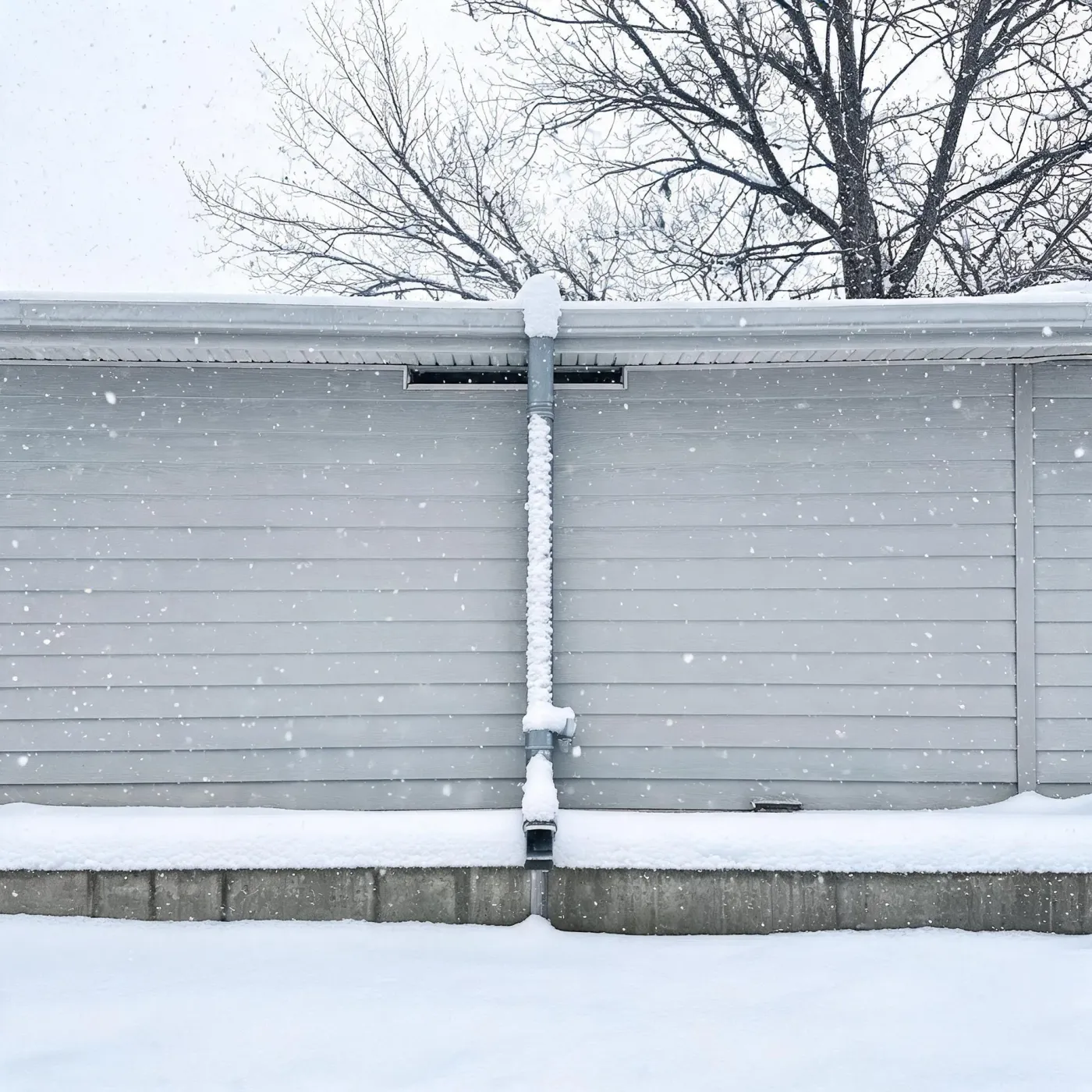
Statewide, winter nights average 23°F, and a furnace that only hesitates in the cold will often fail outright on a night that cold. Metal contracts as it cools, and a cracked heat exchanger or a loose connection that behaves itself at 40°F can open up enough at 23°F to trip the limit switch or stop the igniter from getting its signal. That's why a furnace can seem fine for weeks and then quit on the one night you need it most. If yours won't start on a night like that, the cold itself may be exposing a part that was already close to failing.
Source: NOAA climate normals.
NOAA nClimDiv 1991-2020 county normals weighted by homes
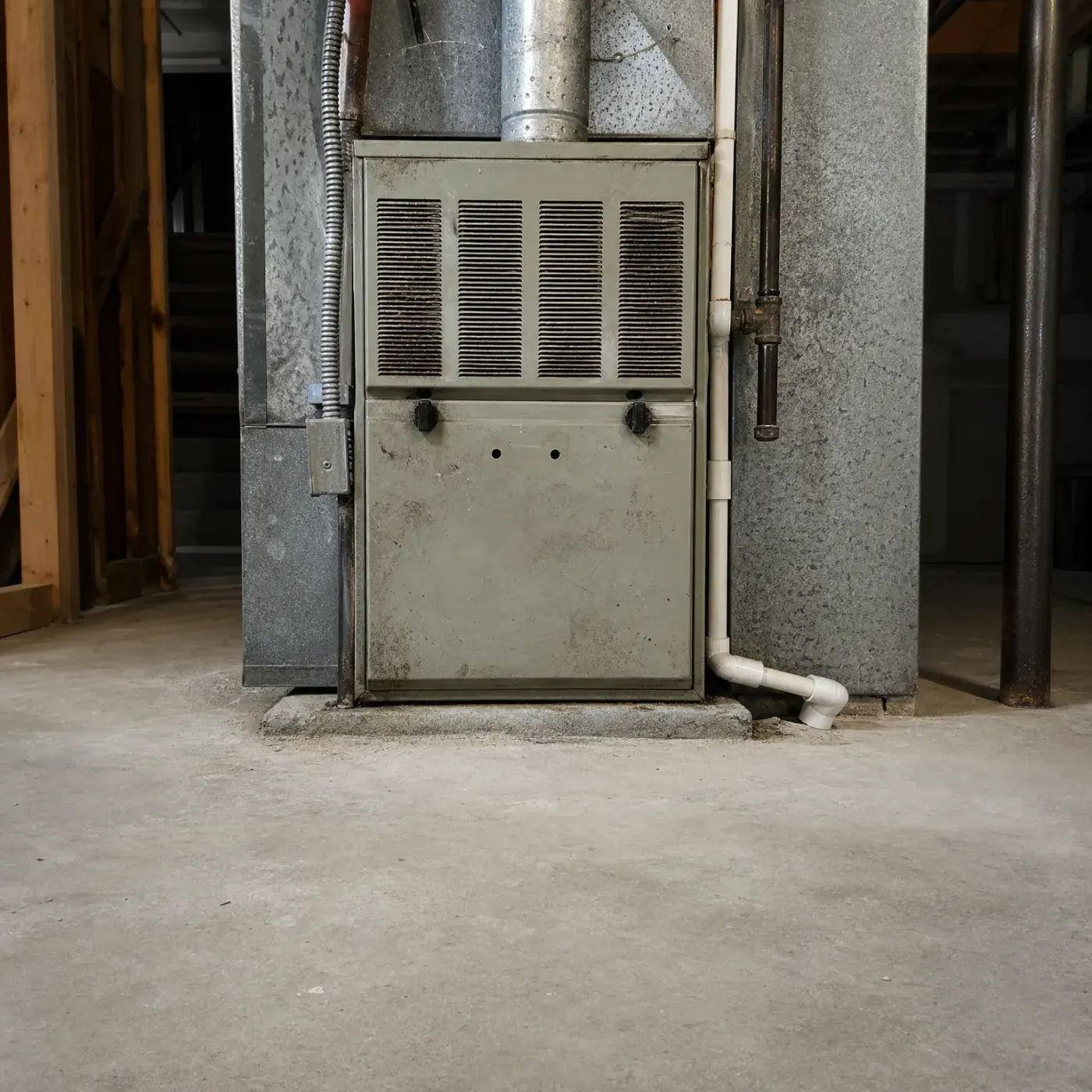
At 23°F, your furnace is working hard every night just to hold the house steady, and it's doing that for months, not days. A part that's been struggling all winter is more likely to give out on a night this cold than on a mild one.
NOAA nClimDiv 1991-2020 county normals weighted by homes
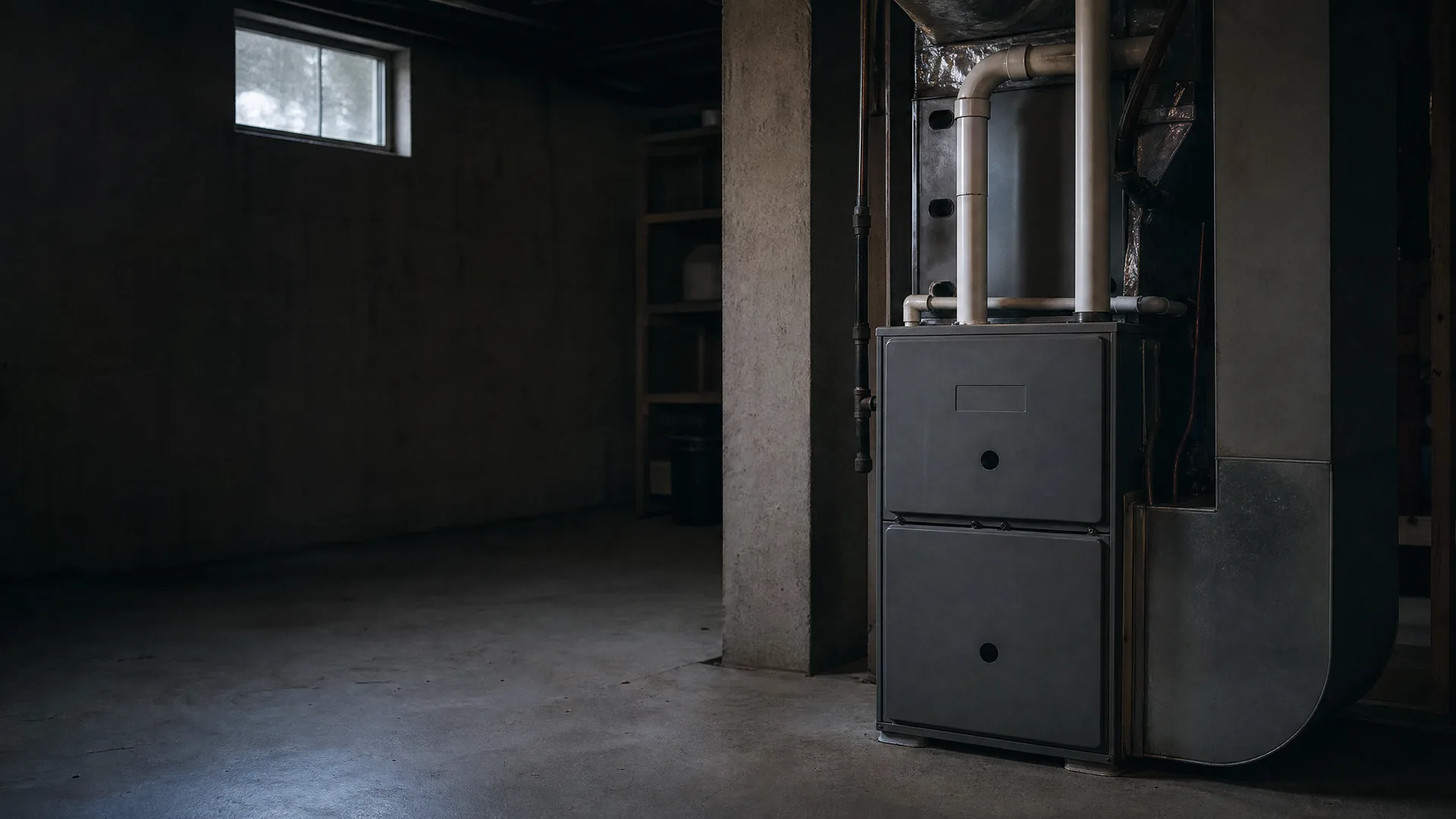
It's just past six on a November evening, and the kitchen upstairs smells like dinner, but down here the air is cold enough to see your breath turning toward the furnace. The cabinet sits dark. No hum, no glow at the sight glass, just a thin haze of dust drifting in the beam of your flashlight, stirred up when you opened the door to look. You flip the switch on the side again, out of habit more than hope. Nothing answers. Upstairs, someone asks if it's getting colder in the living room, and you say you're checking on it, still staring at the quiet burners, waiting for a sound that isn't coming.
Most of what keeps a furnace from starting traces back to one part in the chain: a thermostat not sending its signal, a switch left off, an igniter too worn to glow, a flame sensor too dirty to prove the fire is real. None of that clears itself by waiting it out on a cold night.
A local contractor who works on furnaces all winter has usually seen your exact failure before, often more than once that season. You'll be matched with one licensed contractor near you, not a handful of companies competing for the callback, and they'll reach out knowing the kind of furnace you have and what tends to go wrong with it. From there the house gets warm again, and you can stop checking the thermostat every twenty minutes.

Matched to your furnace job